






News
Food Storage Bags Guide: Sandwich, Snack, Quart, Gallon & Freezer Sizes
Nov
Food storage bags are among the most practical kitchen essentials for keeping everyday ingredients organized, packing lunches, storing leftovers, and preparing food for the refrigerator or freezer. From small snack bags to large gallon freezer bags, each size and type serves a different purpose. Choosing the right bag can make food preparation easier, improve storage organization, and help reduce unnecessary packaging waste.
However, not all food storage bags are manufactured in the same way. Their performance can depend on plastic film thickness, material construction, seal design, bag dimensions, and intended storage temperature. A lightweight sandwich bag is designed for everyday lunch packing, while a freezer-rated bag generally uses a construction intended for colder storage conditions.
This complete food storage bags guide explains the differences between snack, sandwich, quart, gallon, and freezer bags. It also covers technical specifications such as mil thickness, polyethylene film, zipper closures, slider seals, puncture resistance, and freezer burn protection.
Explore the Ziploc food storage bags collection at TechLenze to compare available storage bags, freezer bags, sandwich bags, and multipack options. You can also visit the TechLenze online shop for additional kitchen and household essentials.
What Are Food Storage Bags?
Food storage bags are flexible plastic packaging products designed to hold, organize, and protect suitable food items. Many household storage bags use polyethylene-based plastic films, although exact material formulations and constructions vary by manufacturer and product type.
These bags are commonly available with resealable zipper closures, slider mechanisms, fold-over designs, or other sealing systems. Depending on their specifications, they may be suitable for pantry organization, refrigerator storage, lunch packing, food preparation, or freezer use.
Food storage bags are available in several sizes and thickness levels. Selecting a suitable product means considering the food’s size, weight, moisture content, storage temperature, and expected storage duration.
Types of Food Storage Bags and Their Uses
Different food storage bags are designed around different portion sizes and storage requirements. Understanding these differences helps households choose the right product instead of using one bag size for every task.
Snack Bags
Snack bags are compact disposable bags designed for small portions and individual servings. They are commonly used for crackers, nuts, cookies, dried fruit, grapes, and other suitable snacks.
- Small snack portions for everyday use.
- Lunchbox organization and packed snacks.
- Separating ingredients for meal preparation.
- Keeping small household items organized.
- Convenient portioning for travel and outdoor activities.
Snack bags are especially useful when you want to separate larger packages into smaller portions. Their compact size makes them convenient for everyday organization.
Sandwich Bags
Sandwich bags are designed for sandwiches, wraps, sliced fruit, cheese portions, and similar lunch items. They offer more room than snack bags while remaining compact enough for lunchboxes and everyday food preparation.
Many sandwich bags include easy-open tabs or resealable closures. These features can make filling and opening the bag more convenient, especially when preparing multiple lunches.
For larger household quantities, explore the Ziploc sandwich and storage bag selection at TechLenze.
Quart Storage Bags
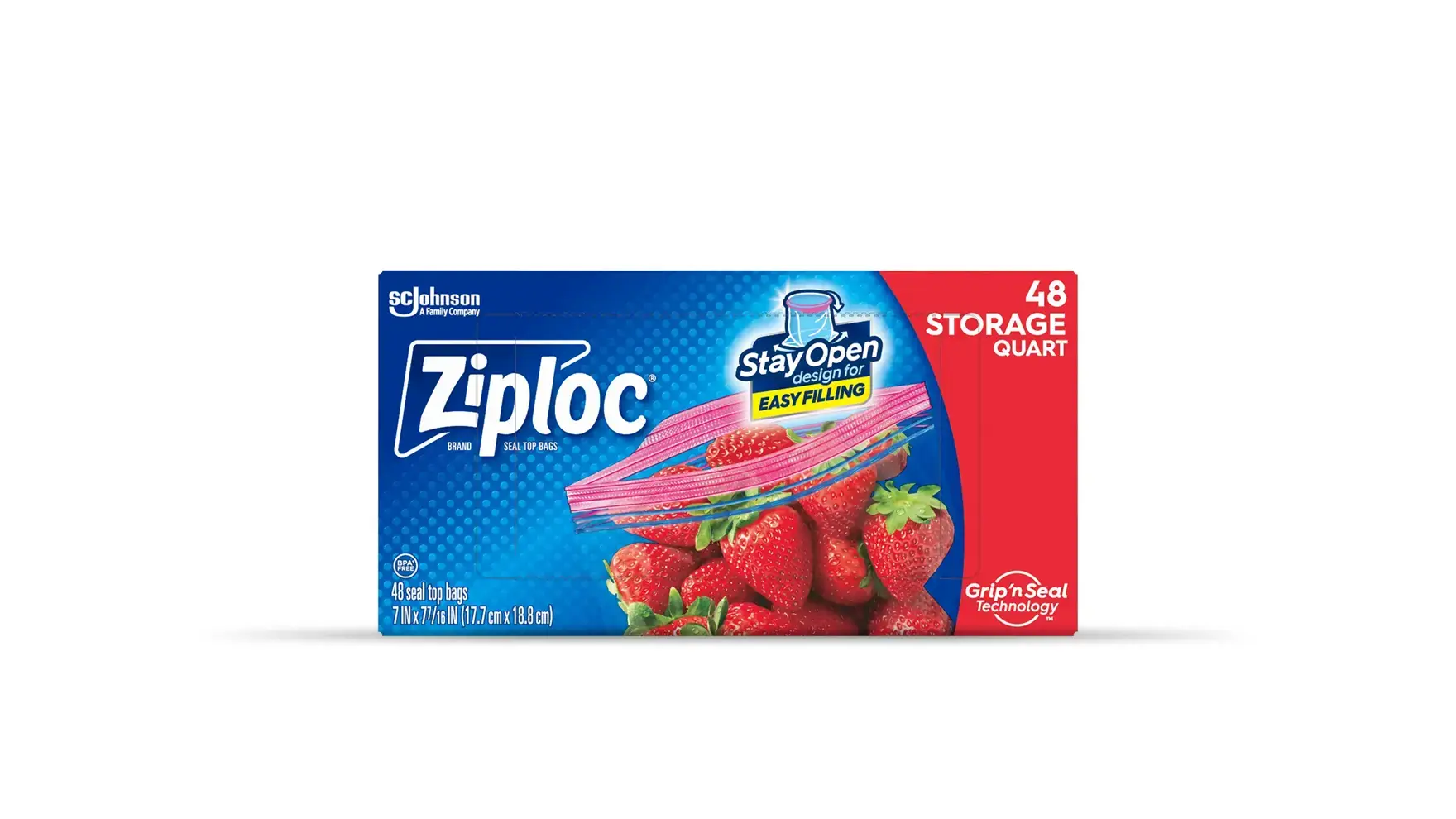
Quart bags offer a useful middle size for storing smaller leftovers, chopped vegetables, cheese, prepared ingredients, and individual food portions. They can also be useful for organizing ingredients during cooking and meal preparation.
Their compact capacity can help reduce excess empty space around smaller food portions. However, always leave enough room to close the bag properly without stretching the zipper or putting pressure on its seams.
Gallon Storage Bags
Gallon storage bags provide more capacity for larger portions and everyday household storage. They are useful for bulk snacks, larger leftovers, chopped produce, bread, and other suitable food items.
Some gallon bags include expandable bottoms or stand-up designs that make filling easier. These features can be particularly convenient when storing foods that need a wider opening.
Freezer Bags
Freezer bags are designed for storing suitable foods at freezing temperatures. Compared with many standard storage bags, freezer-rated products generally use thicker or otherwise specialized plastic film to provide improved resistance to punctures and help limit air exposure.
They are commonly available in quart and gallon sizes and may feature zipper or slider closures. Their suitability depends on the manufacturer’s specifications and instructions.
For larger freezer storage requirements, browse the Ziploc freezer bag collection, which includes gallon and quart freezer options.
Food Storage Bag Size Guide: Snack to Gallon
Choosing the correct bag size helps prevent overfilling and makes sealing easier. A bag should provide enough room for the contents while leaving sufficient space near the closure.
| Bag Type | Typical Capacity | Common Uses |
|---|---|---|
| Snack Bag | Small individual portions | Nuts, crackers, cookies, and dried fruit |
| Sandwich Bag | Sandwich-size portions | Sandwiches, wraps, cheese, and sliced fruit |
| Quart Bag | 1 quart | Small leftovers, chopped vegetables, and meal portions |
| Gallon Bag | 1 gallon | Large leftovers, produce, and bulk food portions |
| Freezer Bag | Available in several capacities | Suitable food portions intended for frozen storage |
These capacity descriptions refer to common US household bag categories. Actual dimensions, usable capacity, and closure space vary between brands and product models. Always check the package specifications before purchasing.
Food Storage Bag Thickness: What Does Mil Mean?
One important technical specification in plastic food storage bags is film thickness. In the United States, plastic film thickness is often measured in mils.
One mil equals 0.001 inch. It is a measurement of thickness, not the bag’s capacity or weight.
In general, thicker plastic film can provide greater resistance to punctures and handling damage, although performance also depends on the polymer, manufacturing process, seal design, and overall bag construction.
Why Film Thickness Matters
Film thickness can influence how a bag handles heavier or sharper contents. A lightweight bag may be suitable for dry snacks and everyday lunch portions, while a freezer-rated bag may use a more substantial construction for frozen food storage.
However, thickness alone does not guarantee leak resistance. A strong bag can still leak if its seams are damaged, its zipper is not fully closed, or it is filled beyond its intended capacity.
How to Compare Bag Thickness
When comparing different food storage bags, review the manufacturer’s stated film thickness if it is available. Some consumer packaging does not display a mil specification, so you may need to compare the product’s stated purpose, freezer rating, construction, and performance information instead.
Do not assume that every gallon bag has the same thickness or that all freezer bags share an identical material specification. Product construction varies by brand and model.
Plastic Materials Used in Food Storage Bags
Many flexible food storage bags are manufactured using polyethylene-based films. Different polyethylene formulations offer different combinations of flexibility, toughness, clarity, and sealing characteristics.
LDPE: Low-Density Polyethylene
Low-density polyethylene is a flexible plastic material commonly used in film applications. Its flexibility and soft handling characteristics make it useful in certain packaging products.
LLDPE: Linear Low-Density Polyethylene
Linear low-density polyethylene is another flexible film material. Depending on its formulation and processing, it can offer useful toughness and resistance to tearing or puncturing.
HDPE: High-Density Polyethylene
High-density polyethylene has a different molecular structure and is generally stiffer than LDPE. It is used in various packaging applications where its particular strength and barrier properties are suitable.
Not every food storage bag uses the same polymer or a single-material construction. Manufacturers may use blends or specialized formulations to achieve their desired product performance. For technical material information, review the manufacturer’s product specifications and the FDA guidance on food packaging and food-contact materials.
Zipper Seal vs Slider Seal: Which Closure Is Better?
The closure system is an important part of a resealable food storage bag. It affects how conveniently the bag opens and closes and how consistently users can secure its contents.
Traditional Zipper Closure
A traditional zipper closure uses interlocking tracks along the top of the bag. The user presses the tracks together to close the opening. Some products feature single-track and others use multiple sealing tracks.
For proper closure, press along the entire zipper rather than securing only the middle section. Check both ends to make sure the tracks are fully engaged.
Slider Closure
Slider bags use a small sliding mechanism that travels along the closure track. This design can make opening and closing easier, particularly when the bag is filled with food or handled frequently.
Double Zipper and Multi-Track Closures
Some storage bags use two parallel sealing tracks or specialized closure designs. These systems can provide additional sealing engagement, but the actual leak resistance depends on the entire bag construction and whether the closure has been fully secured.
| Closure Type | How It Works | Practical Consideration |
|---|---|---|
| Single Zipper | Press two tracks together | Simple everyday closure |
| Double Zipper | Engages two sealing tracks | Requires full closure across both tracks |
| Slider Seal | A slider travels across the opening | Convenient for repeated opening and closing |
| Fold-Over Closure | Top section folds over the contents | Not equivalent to an airtight zipper seal |
For available Ziploc products with slider and resealable designs, visit the TechLenze Ziploc collection.
Standard Storage Bags vs Freezer Bags
Standard storage bags and freezer bags may look similar, but their intended applications are different. Standard storage bags are commonly used for pantry organization, refrigerator leftovers, and short-term food storage. Freezer bags are designed for frozen storage and generally provide a construction intended to better withstand low temperatures and reduce air exposure.
| Feature | Standard Storage Bags | Freezer Bags |
|---|---|---|
| Primary Use | Everyday storage | Frozen food storage |
| Film Construction | Varies by product | Often thicker or specially formulated |
| Cold Storage | Follow package instructions | Designed for freezer applications |
| Air Protection | Depends on closure and film | Designed to help reduce air exposure |
| Common Sizes | Quart and gallon | Quart and gallon, among other sizes |
For longer freezer storage, select a product specifically labeled for freezer use. The USDA guidance on materials suitable for freezing food explains why thick packaging and close wrapping help protect food from air exposure.
How Food Storage Bags Help Reduce Freezer Burn
Freezer burn is a quality problem that occurs when food loses moisture through exposure to air during frozen storage. It can affect the texture, appearance, and flavor of food.
Using suitable freezer packaging can help reduce air exposure. However, simply placing food inside a freezer bag does not guarantee complete protection. Proper filling, sealing, and freezer temperature are also important.
Remove Excess Air Before Sealing
Place the food inside the bag and gently press out excess air before closing the zipper. Avoid squeezing liquid toward the opening, especially when storing soups, sauces, or other moist foods.
Leave Enough Space for Expansion
When freezing liquids, leave suitable headspace because liquids expand as they freeze. Overfilling can place unnecessary pressure on the bag and its closure.
Freeze Food in Manageable Portions
Divide large quantities into portions that match your expected use. Smaller portions can be easier to organize, label, and thaw when needed.
Label Each Bag Clearly
Write the food name and storage date on the bag using an appropriate labeling method. This makes it easier to identify frozen items and manage your freezer inventory.
The USDA explanation of freezer burn describes how air exposure can dry the surface of frozen food. It also clarifies that freezer burn is primarily a food-quality issue.
Food Storage Bags for Meal Prep and Lunch Packing
Food storage bags are useful for organizing ingredients and preparing meals in advance. Different sizes allow households to separate ingredients, pack snacks, and portion suitable foods for daily use.
Weekly Meal Preparation
Quart and gallon bags can be useful for organizing chopped vegetables, prepared ingredients, and suitable meal portions. Labeling each bag helps identify its contents and preparation date.
School and Work Lunches
Sandwich and snack bags are convenient for packing sandwiches, crackers, fruit, and other suitable lunch items. Place perishable foods in an insulated lunch bag with appropriate cold sources when they need to remain chilled.
The USDA guide to keeping packed lunches safe provides recommendations for keeping perishable foods cold while away from home.
Ingredient Organization
Separate dry ingredients and suitable food portions into appropriately sized bags. For items that need additional protection or a rigid structure, consider suitable food storage containers instead.
For more kitchen organization products, explore Glad food wrap and Reynolds aluminum foil at TechLenze.
Food Safety: Proper Use of Plastic Food Storage Bags
Food storage bags should be used only for the applications described on their packaging. A bag intended for cold storage should not automatically be treated as suitable for cooking, boiling, or microwave heating.
- Use bags labeled for food contact and follow the manufacturer’s instructions.
- Choose freezer-rated products for frozen food storage.
- Keep raw meat, poultry, and seafood separated from ready-to-eat foods.
- Store raw meat bags on a tray or in a suitable container to help prevent leakage onto other foods.
- Do not microwave a storage bag unless its packaging specifically states that it is microwave-safe.
- Do not use ordinary storage bags in conventional ovens or boiling-water cooking unless the product is specifically designed and labeled for that application.
- Discard bags that held raw meat, poultry, seafood, or other foods where reuse could create a cross-contamination risk.
Food packaging should also be kept away from excessive heat unless the manufacturer has specifically approved the product for that use. Read the FDA food storage safety guidance for refrigerator and freezer recommendations.
Recommended Refrigerator and Freezer Temperatures
Packaging is only one part of food safety. Proper temperature control is essential for perishable foods.
- Refrigerator: Keep at or below 40°F (4°C).
- Freezer: Keep at 0°F (-18°C) or below.
- Room-temperature exposure: Refrigerate perishable foods promptly and follow the recommended two-hour rule, or one hour when the temperature is above 90°F (32°C).
For more information, visit the FDA guide to storing food safely.
Food Storage Bags vs Plastic Food Wrap vs Aluminum Foil
Food storage bags, plastic food wrap, and aluminum foil all have useful roles in the kitchen. They are not interchangeable in every situation, so choosing the right material depends on the food and storage requirements.
Food Storage Bags
Resealable bags are useful for portioning food, organizing ingredients, packing lunches, and storing suitable items in the refrigerator or freezer. Their flexible structure makes them convenient for individual portions.
Plastic Food Wrap
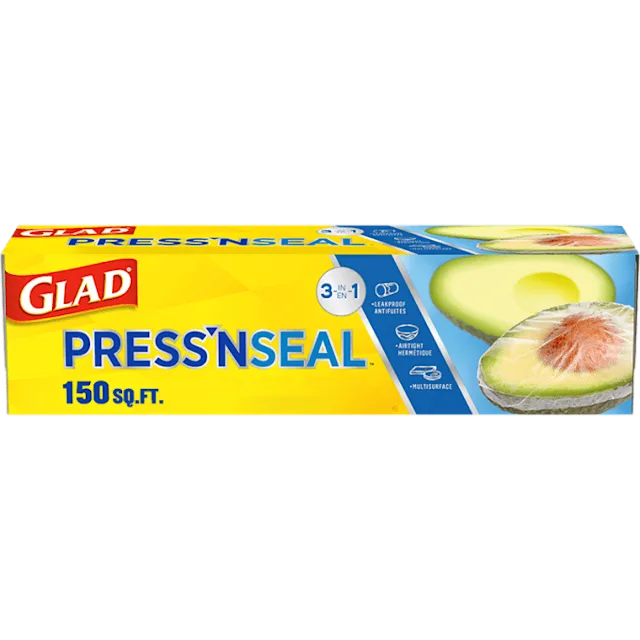
Plastic food wrap is designed to cover suitable containers and food items. It can provide a close-fitting covering for refrigerator storage when used according to its instructions.
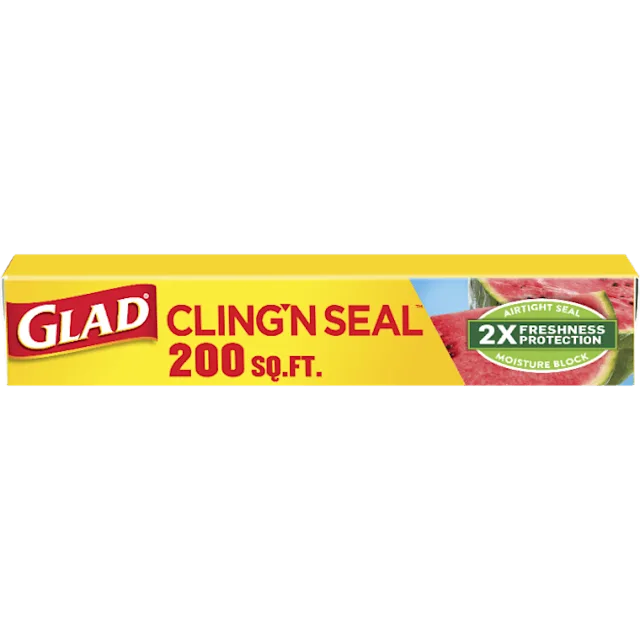
Explore Glad plastic food wrap for convenient food-covering options.
Aluminum Foil
Aluminum foil is useful for wrapping suitable foods, covering dishes, and certain cooking and storage applications. It is not a replacement for every plastic storage bag application.
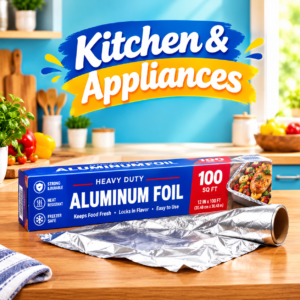
Browse aluminum foil products at TechLenze to explore Reynolds and other available foil options.
How to Choose the Right Food Storage Bags
Before buying food storage bags, consider what you plan to store, how frequently you use them, and whether they need to be suitable for refrigerator or freezer conditions.
Check the Intended Application
Choose snack and sandwich bags for smaller food portions, quart bags for medium-sized storage, and gallon bags for larger items. Select freezer-rated bags when storing food in the freezer.
Compare Closure Design
Consider whether you prefer a traditional zipper or a slider closure. Check how the closure works and whether the package describes additional sealing features.
Review Film Thickness and Construction
If the manufacturer provides film thickness information, compare the stated specifications. Also consider the intended use, puncture resistance, and freezer rating rather than judging a product by thickness alone.
Compare Bag Count and Cost Per Bag
For bulk purchases, divide the total package price by the number of bags to calculate the cost per bag. This helps compare multipacks with different quantities.
Cost per bag = Total package price ÷ Total bag count
For example, a $20 package containing 200 bags has a cost of $0.10 per bag. Compare the price alongside size, closure type, and intended use to understand the actual value.
Food Storage Bags for Homes, Restaurants, and Businesses
Different environments have different storage requirements. Households may focus on lunch preparation and leftovers, while restaurants and food businesses may need larger quantities for ingredient organization and portion control.
- Households: Snack, sandwich, quart, and gallon bags for everyday kitchen use.
- Restaurants: Suitable bags for ingredient portions, refrigerated preparation, and organized storage.
- Cafés: Bags for suitable ingredients and food preparation supplies.
- Catering Businesses: Storage and freezer bags for organizing ingredients and preparing portions.
- Offices: Sandwich and snack bags for packed lunches and shared kitchen supplies.
Food businesses should also follow applicable food-safety procedures, including labeling, temperature monitoring, separation of raw and ready-to-eat foods, and appropriate cleaning practices.
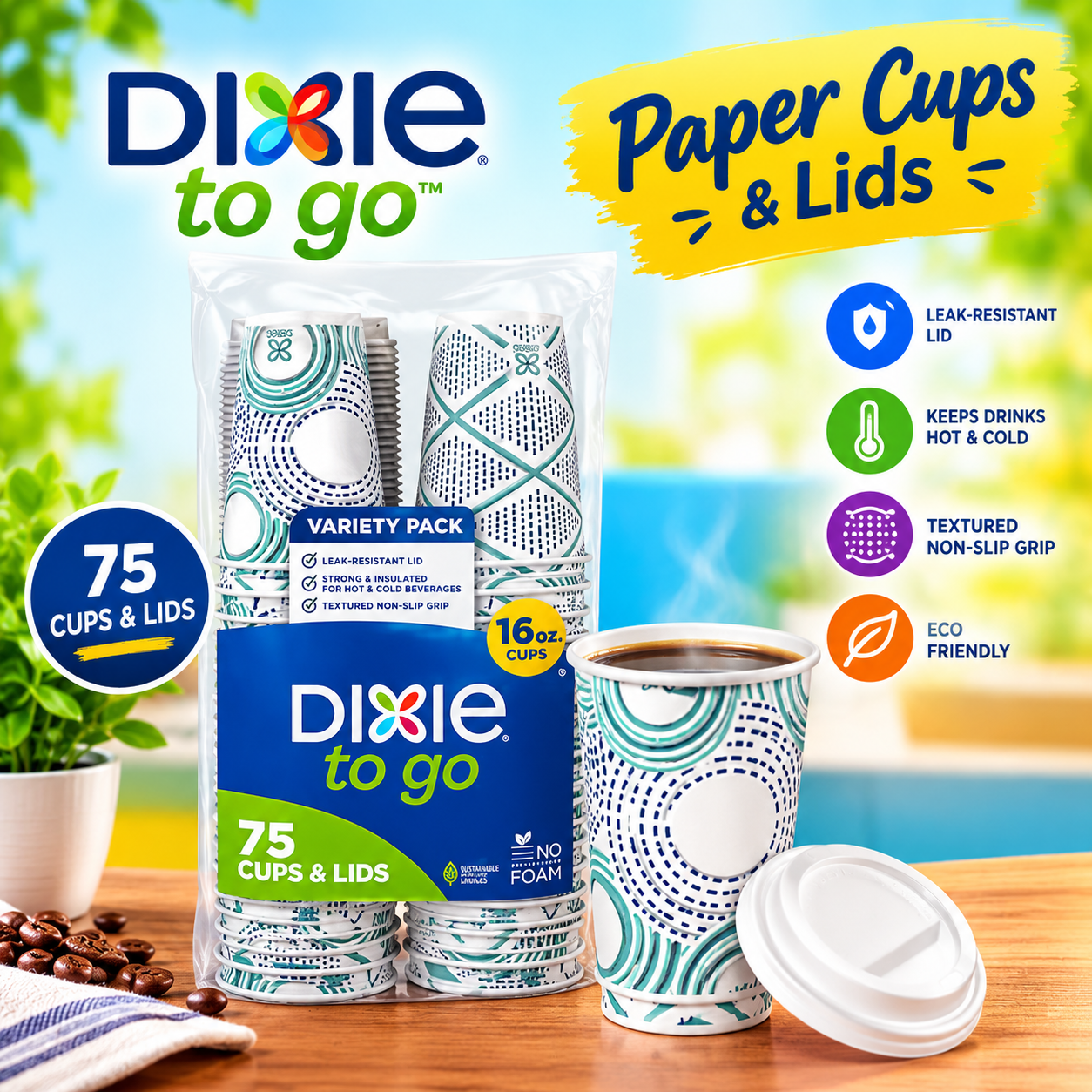
For serving and packaging needs, explore disposable bowls, paper plates, and paper cups.
Why Shop Food Storage Products at TechLenze?
TechLenze provides convenient online shopping for household and everyday business essentials in the USA. The store features products from recognized brands across food storage, kitchen supplies, disposable serving products, and household categories.
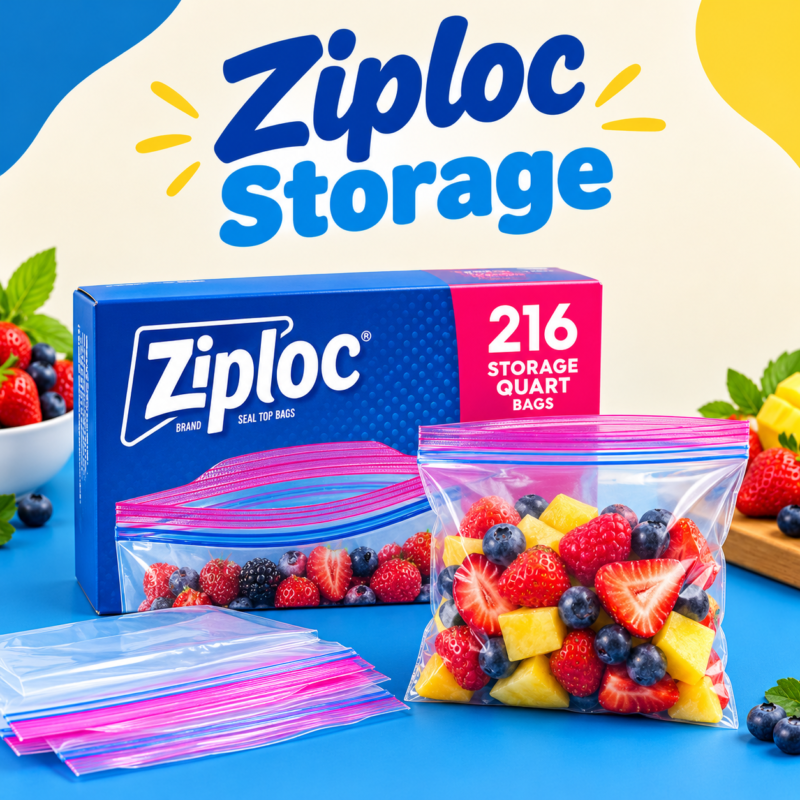
For food storage needs, explore the available Ziploc products at TechLenze. The collection includes a selection of gallon and quart storage bags, freezer bags, sandwich bags, and multipack options, depending on current availability.
You can also browse Glad products for food wrap and other household essentials.
- Convenient Online Shopping: Explore multiple household product categories in one place.
- Recognized Brands: Browse available products from Ziploc, Glad, Reynolds, and other brands.
- Competitive Pricing: Compare product options and package quantities.
- Authentic Products: TechLenze focuses on original and authentic products.
- Delivery Options: Same-day or next-day delivery may be available for eligible USA locations and orders, depending on stock and delivery conditions.
Visit the TechLenze homepage or explore the complete online shop to find more kitchen and household supplies.
Frequently Asked Questions About Food Storage Bags
What is the difference between snack bags and sandwich bags?
Snack bags are smaller and designed for individual portions such as crackers, nuts, and cookies. Sandwich bags are larger and suitable for sandwiches, wraps, sliced fruit, and similar lunch items.
What is the difference between quart and gallon storage bags?
Quart bags hold a smaller volume and are useful for individual portions and smaller leftovers. Gallon bags provide more capacity for larger food portions, produce, and bulk storage.
Are freezer bags thicker than regular storage bags?
Many freezer bags use thicker or specially formulated film compared with standard storage bags. Their construction is intended to improve performance during frozen storage. Exact specifications vary by manufacturer.
What does mil mean in plastic storage bags?
Mil is a measurement of plastic film thickness. One mil equals 0.001 inch. It helps describe the material’s thickness but does not independently determine puncture resistance or sealing performance.
Are Ziploc freezer bags reusable?
Follow the specific product’s package instructions. Bags that have contacted raw meat, poultry, seafood, or other foods that create contamination concerns should not be reused for food storage. Products designed for repeated use should be labeled accordingly.
Can I microwave food in a plastic storage bag?
Only use a bag in a microwave if the exact product packaging specifically states that it is microwave-safe. Follow all heating and venting instructions. Ordinary storage bags should not automatically be treated as microwave-safe.
Can standard storage bags be used in the freezer?
Use a product specifically labeled for freezer use when storing food in the freezer. Standard storage bags may not provide the same construction or protection against air exposure during frozen storage.
How do I prevent freezer burn?
Use suitable freezer packaging, remove excess air, close the seal fully, and maintain a freezer temperature of 0°F (-18°C) or below. Proper packaging helps reduce air exposure and moisture loss.
What size food storage bag is best for everyday use?
Sandwich bags are useful for lunches, snack bags for small portions, quart bags for medium-sized ingredients, and gallon bags for larger food portions. Many households keep more than one size available.
Where can I buy food storage bags online?
You can explore the Ziploc food storage bags collection at TechLenze to compare available sandwich, quart, gallon, and freezer bag products.
Final Thoughts: Choose the Right Food Storage Bag for Every Need
Food storage bags are useful kitchen essentials that help organize ingredients, pack lunches, store leftovers, and prepare suitable foods for the refrigerator or freezer. Snack, sandwich, quart, gallon, and freezer bags each serve a different purpose.
When comparing products, consider bag capacity, plastic film construction, thickness, closure design, freezer suitability, and package quantity. These technical details can help you select the right storage bag for your everyday requirements.
Remember that proper food storage also depends on safe handling, correct refrigerator and freezer temperatures, and following the manufacturer’s packaging instructions. The right bag can support food organization, but it does not replace good food-safety practices.
Explore the Ziploc food storage bag collection, discover Glad food wrap, and browse the aluminum foil collection at TechLenze for convenient kitchen storage and preparation supplies.
For more household essentials, visit the TechLenze online shop and explore products for your home, kitchen, and everyday business needs.
Related Guides
- Organize your kitchen with zip storage bags
- Food wrap guide
- The complete guide to bulk disposable essentials
