






News
Bulk Disposable Essentials: The Complete Guide to Stocking Your Home, Party or Business
Nov
Running out of plates halfway through a family dinner, or cups in the middle of a busy workday, is a small problem that somehow feels huge. Buying bulk disposable essentials before you need them removes that scramble entirely. Instead of emergency trips to the store, you keep a shelf or closet stocked with the plates, cups, cutlery, napkins, and trash bags your household or business uses every week, and you restock on your own schedule.
This guide walks through each category: what to buy, how to choose between materials, and how much to keep on hand. Whether you are planning a wedding, running a small café, or simply keeping a busy kitchen moving, the same simple system works — cover the core categories, match quality to the job, and buy in quantities that fit your real usage.
The Core Four: Plates, Cups, Bowls, and Cutlery
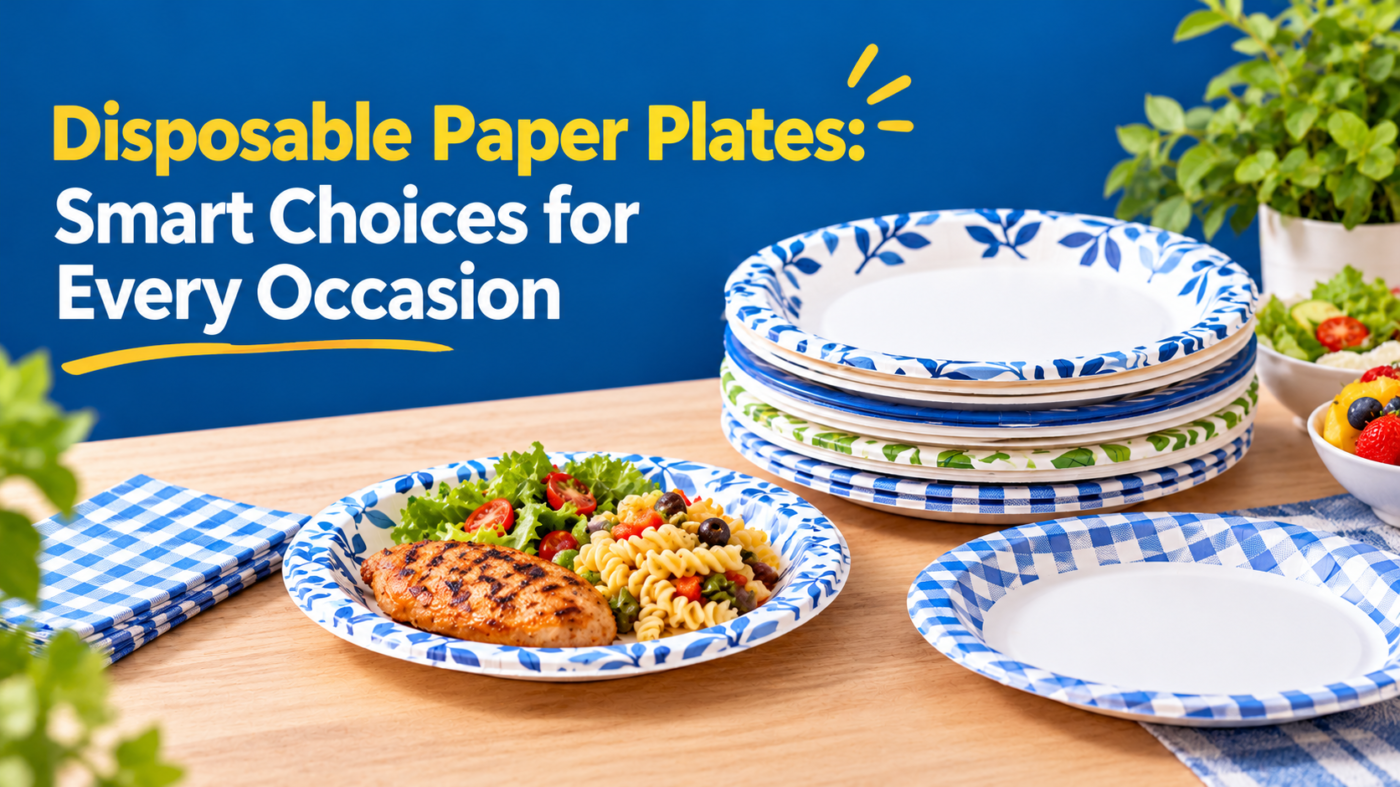
Almost every disposable order starts with the same four items. Plates come first, and the main decision is size and material. Dessert plates handle cake and snacks, lunch plates suit sandwiches and salads, and full dinner plates carry a complete meal. If you only stock one size, a sturdy dinner plate covers the most situations. Browse the range of paper plates to see how sizes and counts compare.
For events where appearance matters as much as function, the choice deserves a little more thought — our guide to choosing disposable plates for weddings and big events covers elegant options that still clean up in minutes. And if you are torn between the two main materials, the honest side-by-side in paper plates vs plastic plates explains where each one wins.
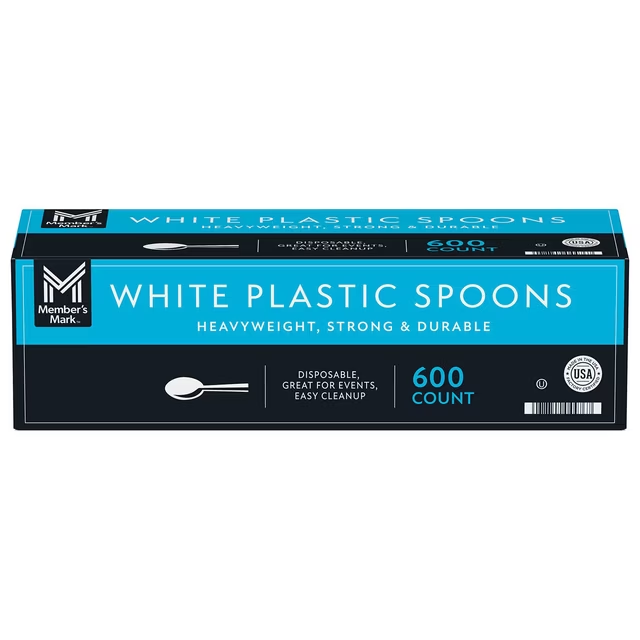
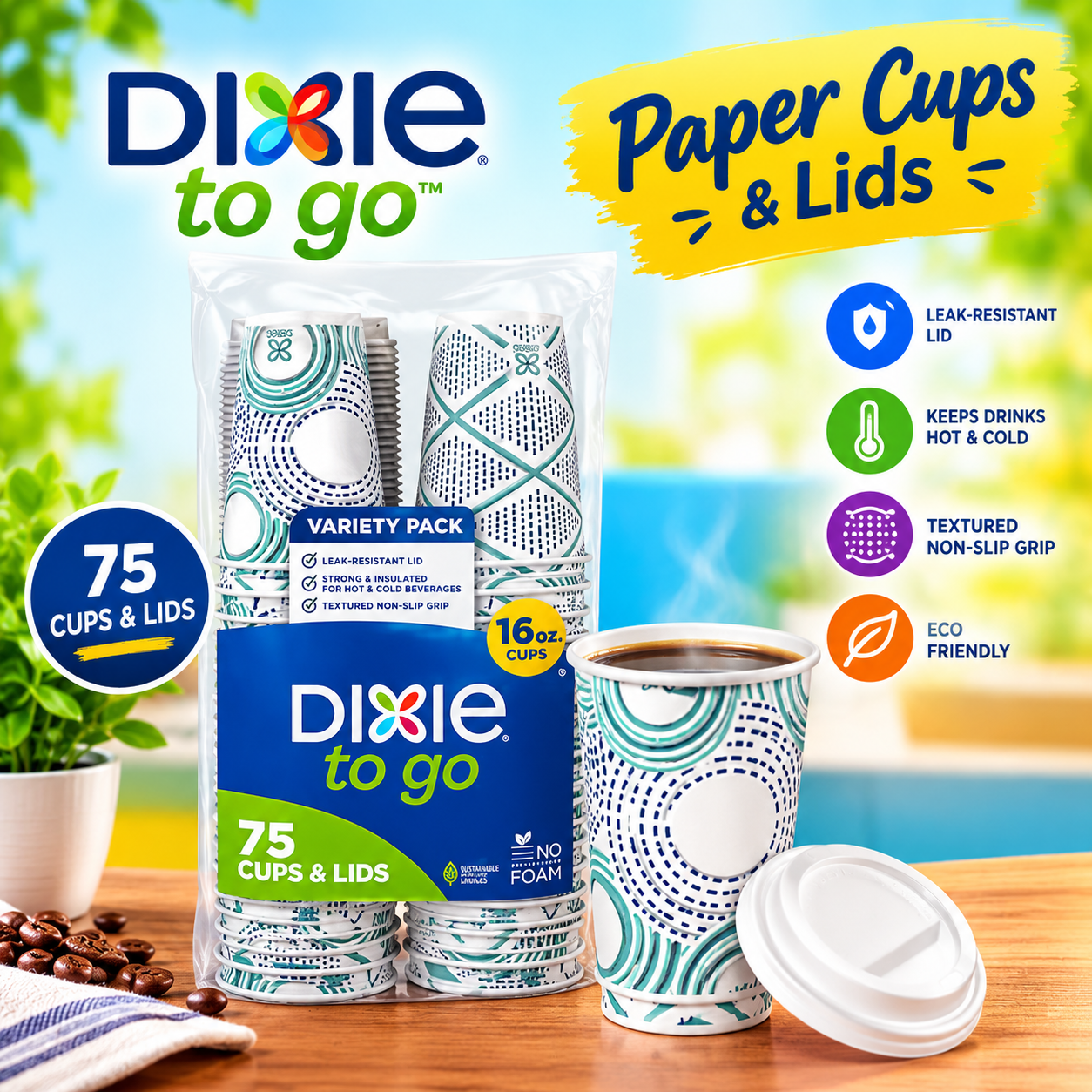
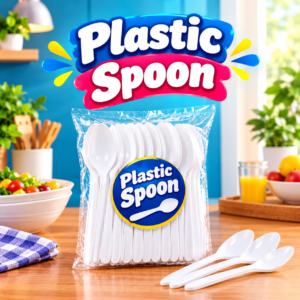
Cups split into two camps: paper cups for hot drinks and plastic cups for cold ones. Bowls round out the set for soups, salads, and snacks. Cutlery is the piece people underestimate — flimsy forks snap in dense food and slow down a serving line. If you feed customers or crowds regularly, the practical advice in disposable cutlery for restaurants and food trucks will help you pick cutlery that holds up from the first bite to the last.
Kitchen Workhorses: Foil, Parchment, Wrap, and Napkins
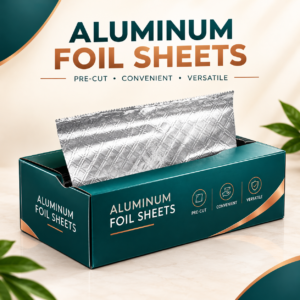
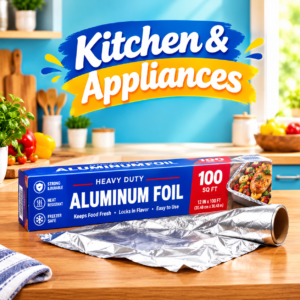
Behind the scenes, a second group of essentials keeps the kitchen itself running. Aluminum foil lines pans, wraps leftovers, and covers dishes in transit. Parchment paper keeps baking trays clean and stops food sticking without extra oil. The two overlap more than most people realize, and knowing which to reach for saves both money and frustration — parchment paper vs aluminum foil breaks down exactly when each one earns its place.
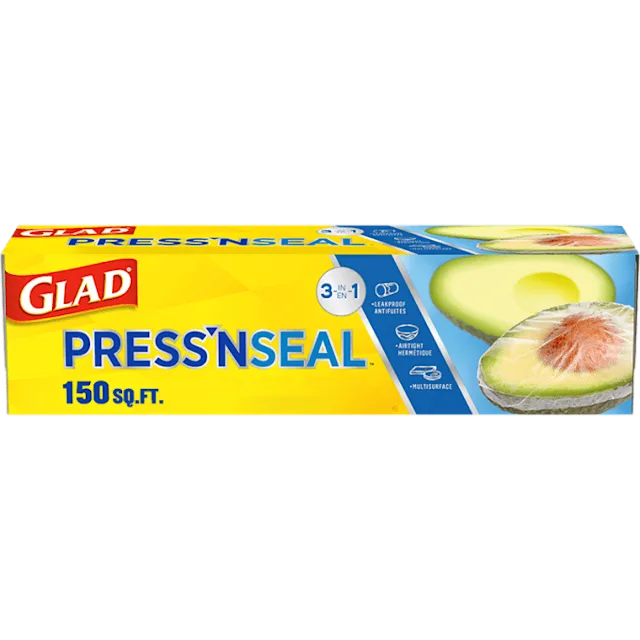
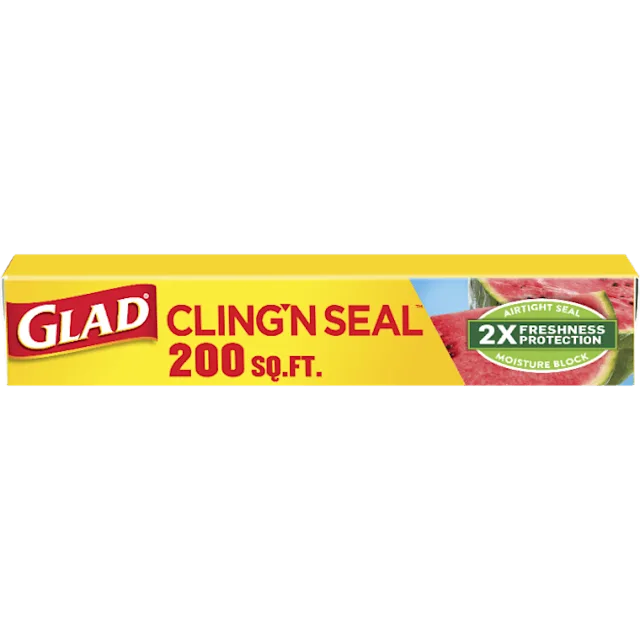
Food wrap seals bowls and sandwiches for the fridge, while napkins do double duty at the table and as the first response to spills. Napkins are easy to buy badly: too thin and guests use five at a time, which wipes out any saving. Our paper napkins buying guide explains the difference between everyday, dinner, and event napkins so you stock the right weight for each job.
A simple rule for this whole group: these are the items you reach for daily without thinking, so running out is disproportionately annoying. Keep at least one unopened backup pack of each, and reorder when you open the backup — not when you finish it.
Trash Bags and Cleanup Essentials
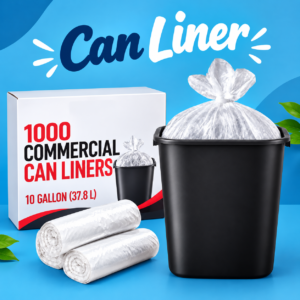
Every disposable item you use ends up in a trash bag, which makes bags the one essential that supports all the others. The kitchen is the highest-pressure spot: heavy food waste, sharp bones, and liquids all test a bag at once. Start with the right fit and strength by following how to choose kitchen trash bags, then browse the full range of trash bags for your other rooms and bins.
Thickness is where most buying mistakes happen. A bag that is too thin tears on the way to the curb; a bag that is too thick for light bathroom waste just costs more than it needs to. If terms like gauge and mil have ever left you guessing, trash bag thickness explained translates the ratings into plain language.
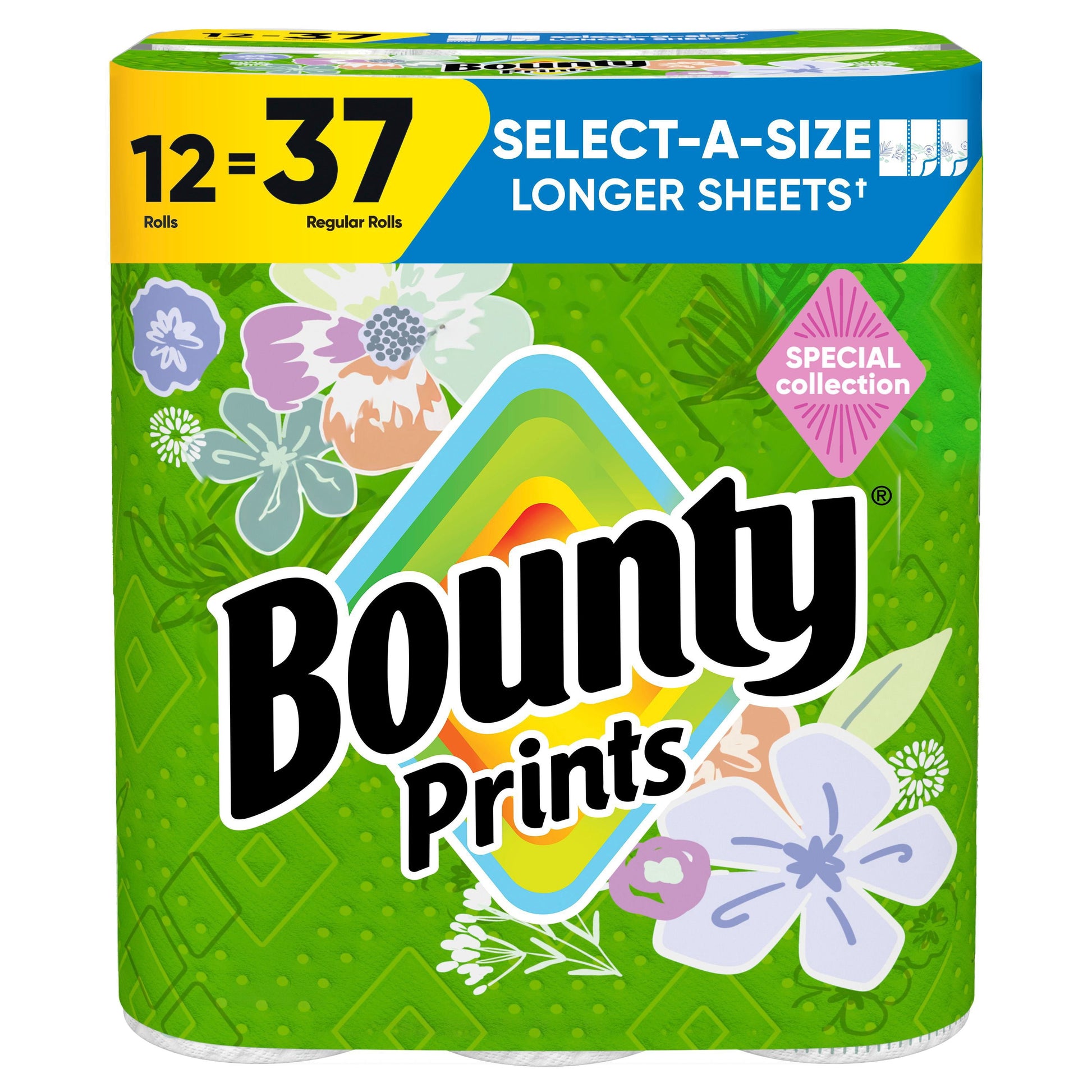
Do not forget the cleanup supporting cast either: paper towels for spills, extra liners for bathroom and office bins, and a small stock of bags in every room where a bin lives. Cleanup supplies feel boring right up until the moment you need them urgently — usually during the event itself.
Stocking a Business, Office, or Rental Property
Businesses feel stock-outs more sharply than households, because a missing item becomes a customer-facing problem. A café without cups cannot sell coffee. An office without paper towels or toilet paper generates complaints by lunchtime. Vacation rentals and break rooms sit in the same boat: guests and employees notice missing basics immediately.
The fix is a simple par-level system. List every disposable your operation uses, note how much you go through in a typical week, and keep two weeks of stock as your floor. When any item drops to one week of supply, it goes on the next order. The category-by-category checklist in disposable essentials for small businesses is a good starting template.
Consolidate, too. Ordering plates from one place, cups from another, and bags from a third wastes time and usually means three separate shipping charges. One supplier, one order, one delivery keeps the system effortless to maintain.
How Much to Buy: A Simple Planning Method
Quantity questions stop most people from buying in bulk at all, so here is a method that takes two minutes. For a household, count your weekly usage of each item — honestly, not optimistically — and multiply by eight. That gives you roughly two months of stock, which is long enough to justify bulk pack sizes and short enough to store in a closet or garage shelf.
For events, plan per guest. A sit-down meal typically needs one dinner plate, one dessert plate, one or two cups, and a full cutlery set per person, plus a 10–15% buffer for drops, doubles, and unexpected guests. Buffets need slightly more plates, since guests often take a fresh one on a second trip.
The economics reward the effort. As we explain in why buying household essentials in bulk saves money, the per-piece price of bulk packs is consistently lower than small retail packs, and you save the fuel and time of repeated small trips. Storage is the only real constraint — disposables are light and stack flat, so a single shelf usually handles a household’s whole supply.
Frequently Asked Questions
How long can disposable essentials be stored?
Almost indefinitely, kept dry. Paper plates, napkins, and cups store well for years in a cool, dry closet or shelf. Plastic cutlery and trash bags are equally shelf-stable. Avoid damp garages for paper goods, and keep everything in its packaging until you open it.
Do I need different products for home and for events?
Mostly no. Everyday plates and cups handle casual gatherings fine. For weddings and formal events, you may want heavier, better-looking plates, and for businesses you may need cutlery and cups rated for constant daily use. The categories stay the same; only the grade changes.
How fast will my Techlenze order arrive?
Techlenze delivers within the USA only, with same-day or next-day delivery. Shipping is free on orders of $75 or more, and orders under $75 ship for a flat $2.99 — which makes one consolidated bulk order the cheapest way to stock up.
Stock Up in One Order
A well-stocked shelf is a quiet kind of peace of mind: the party, the busy week, and the unexpected guests all stop being logistics problems. Start with the core four, add your kitchen work horses and cleanup supplies, and set a simple reorder point for each.
You can find everything covered in this guide — from trusted brands including Member’s Mark, Hefty, Dixie, Chinet, Ziploc, Glad, Reynolds, and Bounty — in one place: shop bulk disposable essentials at Techlenze and get your whole list delivered, free on orders of $75 or more.
Related Guides
- Why buying household essentials in bulk saves money
- Disposable essentials every small business should stock
- Disposable party supplies checklist for hosts
