






News
Paper Towels vs Napkins: Which Should You Stock at Home or Work?
Nov
Paper towels and paper napkins are two of the most frequently used disposable paper products in homes, offices, restaurants, and commercial kitchens. Although they may look similar, they are designed for different purposes. Paper towels are made to absorb liquids, handle spills, dry hands, and support everyday cleaning, while paper napkins are primarily designed for dining, wiping hands and mouths, and serving guests.
Choosing the right paper products can improve daily convenience, reduce unnecessary consumption, and help control supply costs. For households, the decision may depend on cooking habits and family size. For restaurants, offices, cafés, and other businesses, it also involves usage volume, dispenser compatibility, sheet specifications, storage capacity, and cost per use.
In this guide, we compare paper towels vs napkins in terms of absorbency, wet strength, ply count, GSM, sheet dimensions, hygiene, and bulk purchasing. We also explain how to choose the right combination for different environments. Explore the TechLenze paper towels collection and paper napkins collection to compare available household and business supplies.
Paper Towels vs Napkins: Understanding the Main Difference
The biggest difference between paper towels and paper napkins is their intended function. Paper towels are engineered for liquid absorption and cleaning performance. Paper napkins are designed mainly for personal use during meals and food service.
Paper towels generally have a larger sheet format, a more absorbent structure, and properties intended to help the sheet remain useful when wet. Napkins are commonly folded into compact formats and may emphasize softness, appearance, and convenient placement on dining tables.
| Feature | Paper Towels | Paper Napkins |
|---|---|---|
| Primary Purpose | Absorbing liquids, drying, and cleaning | Dining, hand wiping, and guest service |
| Absorbency | Generally designed for higher liquid absorption | Designed for light spills and personal use |
| Wet Strength | Important performance characteristic | Usually less important than in cleaning towels |
| Sheet Format | Rolls, select-a-size, and folded towels | Folded luncheon, beverage, and dinner formats |
| Common Locations | Kitchens, restrooms, workstations, and cleaning areas | Dining tables, cafés, restaurants, and events |
| Buying Considerations | Absorbency, sheet count, roll length, and dispenser fit | Ply, softness, folded size, appearance, and pack count |
Neither product is automatically better in every situation. The correct choice depends on the task. A paper towel is usually more practical for a spilled drink, while a napkin is more appropriate for a restaurant table or lunch setting.
What Makes Paper Towels Different?
Paper towels are disposable absorbent paper products manufactured to handle moisture and everyday cleaning requirements. Their performance depends on several characteristics, including fiber composition, sheet construction, embossing, thickness, absorbency, and wet strength.
Absorbency and Liquid Retention
Absorbency describes how effectively a paper towel takes in liquid. A towel with suitable absorbent capacity can collect water, cooking spills, and other everyday messes without requiring an excessive number of sheets.
However, absorbency is not determined by thickness alone. Fiber properties, internal structure, embossing, and manufacturing processes can all influence how a towel absorbs and retains liquid.
Wet Strength and Sheet Durability
Wet strength refers to a paper towel’s ability to maintain its structure after becoming wet. This characteristic is important when wiping damp surfaces, handling spills, or drying hands. A towel that loses its structure too quickly may tear during use and require additional sheets.
For kitchens and workplaces, comparing wet-strength performance can be more useful than choosing a product based only on its advertised thickness.
Embossing and Sheet Construction
Embossing refers to the raised patterns pressed into paper during manufacturing. These patterns can influence the towel’s texture, thickness, and liquid-handling characteristics. Some products also use layered construction to improve handling and absorbency.
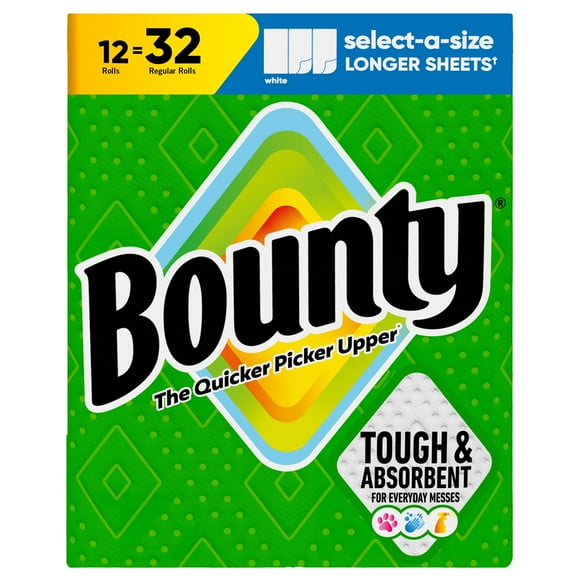
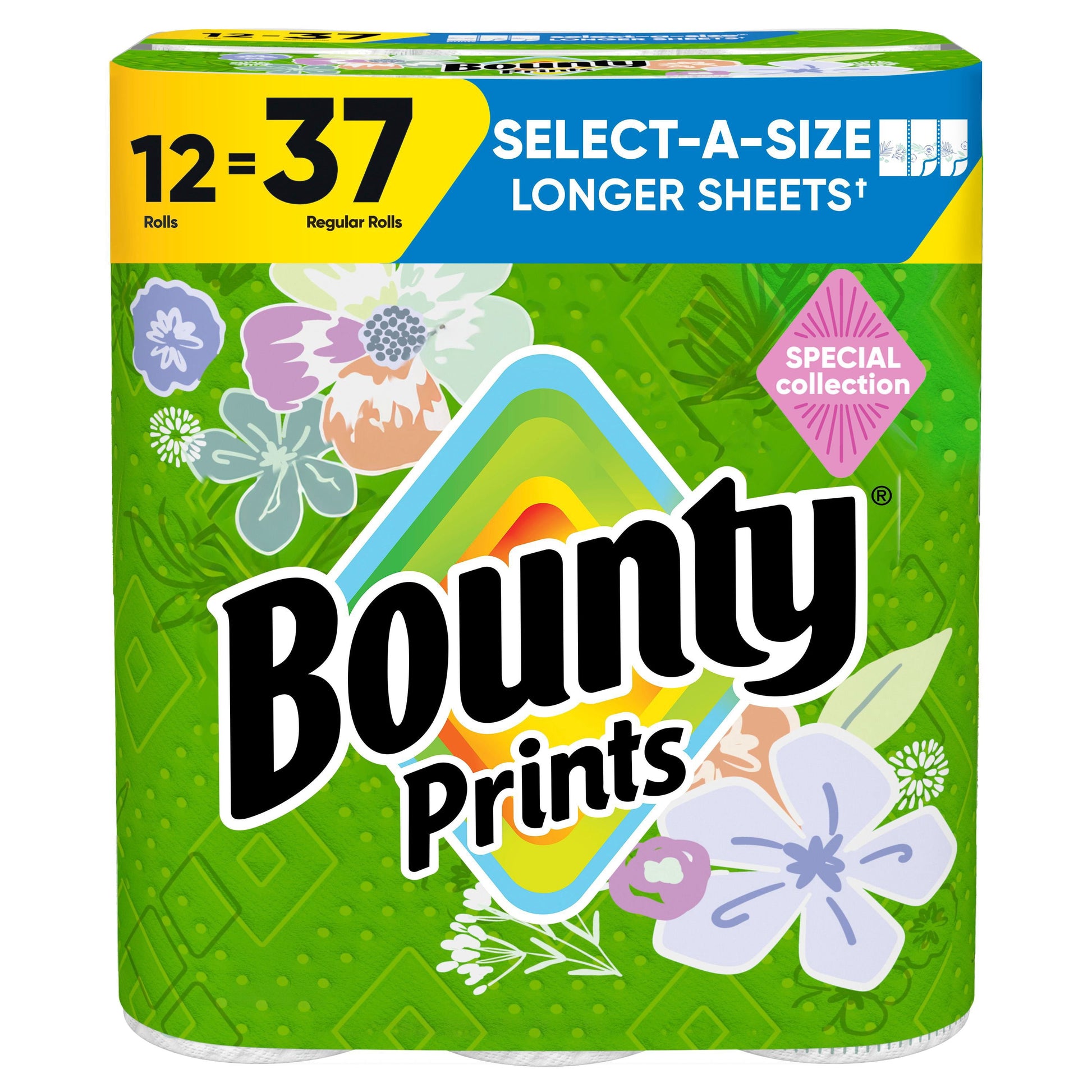
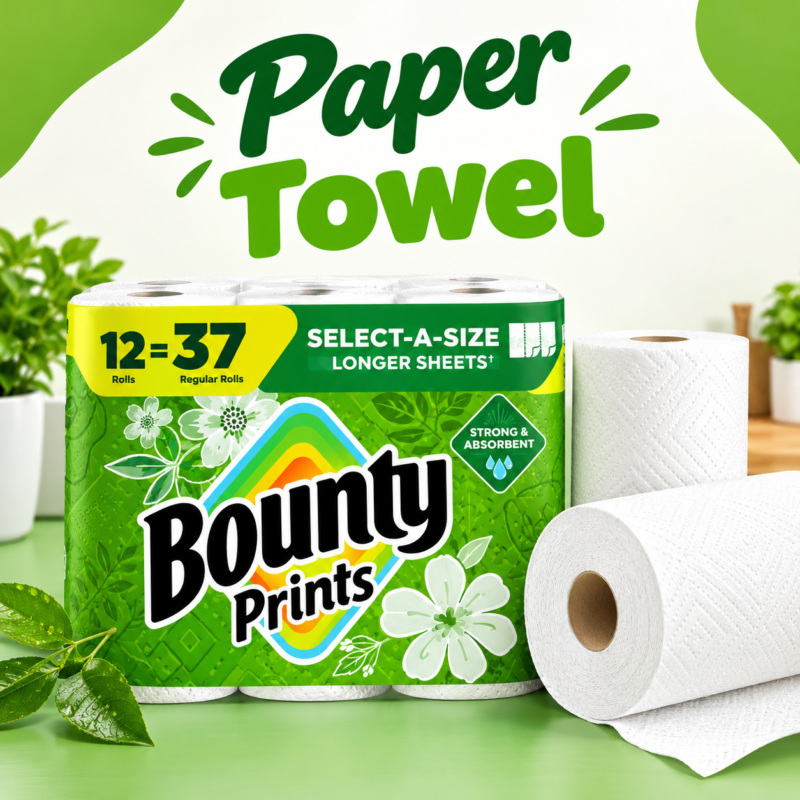
For regular household use, you can compare available Bounty paper towels at TechLenze, including Select-A-Size formats and multi-roll packs.
Understanding Paper Towel Ply Count
Ply count refers to the number of paper layers joined together to make a sheet. Paper towels are commonly sold in one-ply and two-ply formats, although product construction varies between manufacturers.
One-Ply Paper Towels
One-ply towels contain a single paper layer. They may be suitable for light wiping and everyday tasks when the product provides sufficient absorbency and strength. They can also be useful in environments where controlled dispensing and cost management are important.
Two-Ply Paper Towels
Two-ply towels contain two joined paper layers. Depending on the fiber structure and manufacturing process, this construction may provide a different combination of thickness, absorbency, and handling strength.
It is important to remember that a higher ply count does not automatically guarantee better performance. A well-engineered one-ply towel may perform differently from a lower-quality two-ply towel. Always compare product specifications and practical performance rather than relying on ply count alone.
What Is GSM in Paper Products?
GSM stands for grams per square meter. It is a measurement of paper weight per unit area and is commonly used in paper manufacturing and product specifications.
For paper towels and napkins, GSM can help describe the material’s basis weight. However, it does not independently measure absorbency, softness, or wet strength. Two products with similar GSM values may perform differently because of their fiber composition, sheet structure, embossing, and manufacturing methods.
When comparing commercial paper products, consider GSM together with ply count, sheet dimensions, absorbency claims, and product testing information. This gives a more complete understanding of the product rather than relying on one specification.
What Makes Paper Napkins Different?
Paper napkins are designed primarily for dining and guest-service applications. They provide a convenient disposable option for wiping hands and mouths during meals, serving food, and managing small spills around tables.
Unlike cleaning-focused paper towels, napkins often place greater emphasis on softness, folded dimensions, appearance, and the number of sheets included in each package.
One-Ply Napkins
One-ply napkins contain a single paper layer and are commonly used for everyday dining, casual meals, break rooms, and high-volume food service. They can be a practical option when businesses need a larger sheet quantity for regular guest use.
Two-Ply Napkins
Two-ply napkins contain two layers of paper and may offer a fuller feel and additional thickness. They are useful for meals where guests need a more substantial napkin for wiping hands and handling light food messes.
Three-Ply Dinner Napkins
Three-ply napkins contain three paper layers and are often selected for more substantial dining presentations, catered meals, and special occasions. Their layered construction can provide a thicker feel, although softness and strength still depend on the manufacturer’s materials and production process.
TechLenze currently offers different Member’s Mark napkin options, including one-ply everyday napkins and premium two-ply and three-ply formats. Explore the Member’s Mark napkins collection to compare available pack quantities and product specifications.
Paper Towels vs Napkins: Which Should You Use for Each Task?
Using the right paper product for each activity can make daily operations more efficient. Instead of treating paper towels and napkins as interchangeable supplies, assign each product to the environment where it performs best.
Kitchen and Food Preparation Areas
Paper towels are generally the more practical choice for wiping suitable kitchen surfaces, absorbing water, and handling everyday spills. They can also be useful for drying hands after washing. Napkins should be kept nearby for meals, snacks, and dining-related needs.
For additional kitchen supplies, browse aluminum foil, plastic food wrap, and parchment paper.
Restaurants, Cafés, and Food Service
Restaurants usually need both products. Napkins support table service, takeaway orders, and customer convenience. Paper towels support kitchen workstations, hand-drying areas, and suitable cleaning tasks.
Businesses should plan dining napkins separately from back-of-house paper towels. This makes it easier to monitor consumption and keep the correct supplies available at each station.
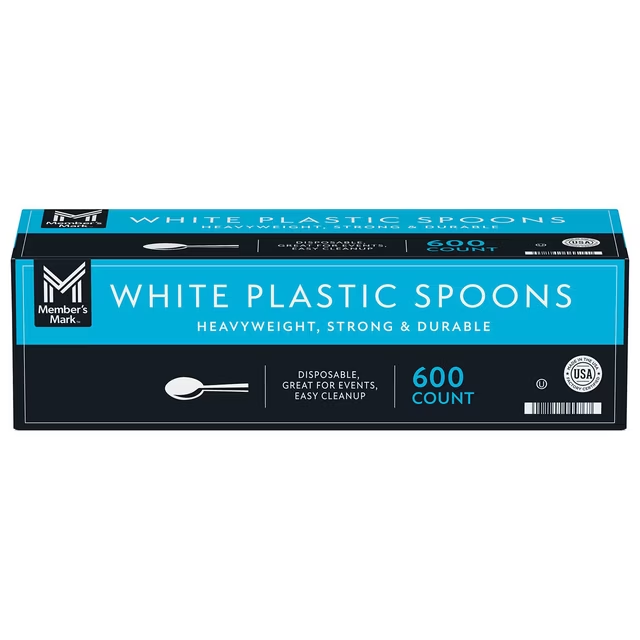
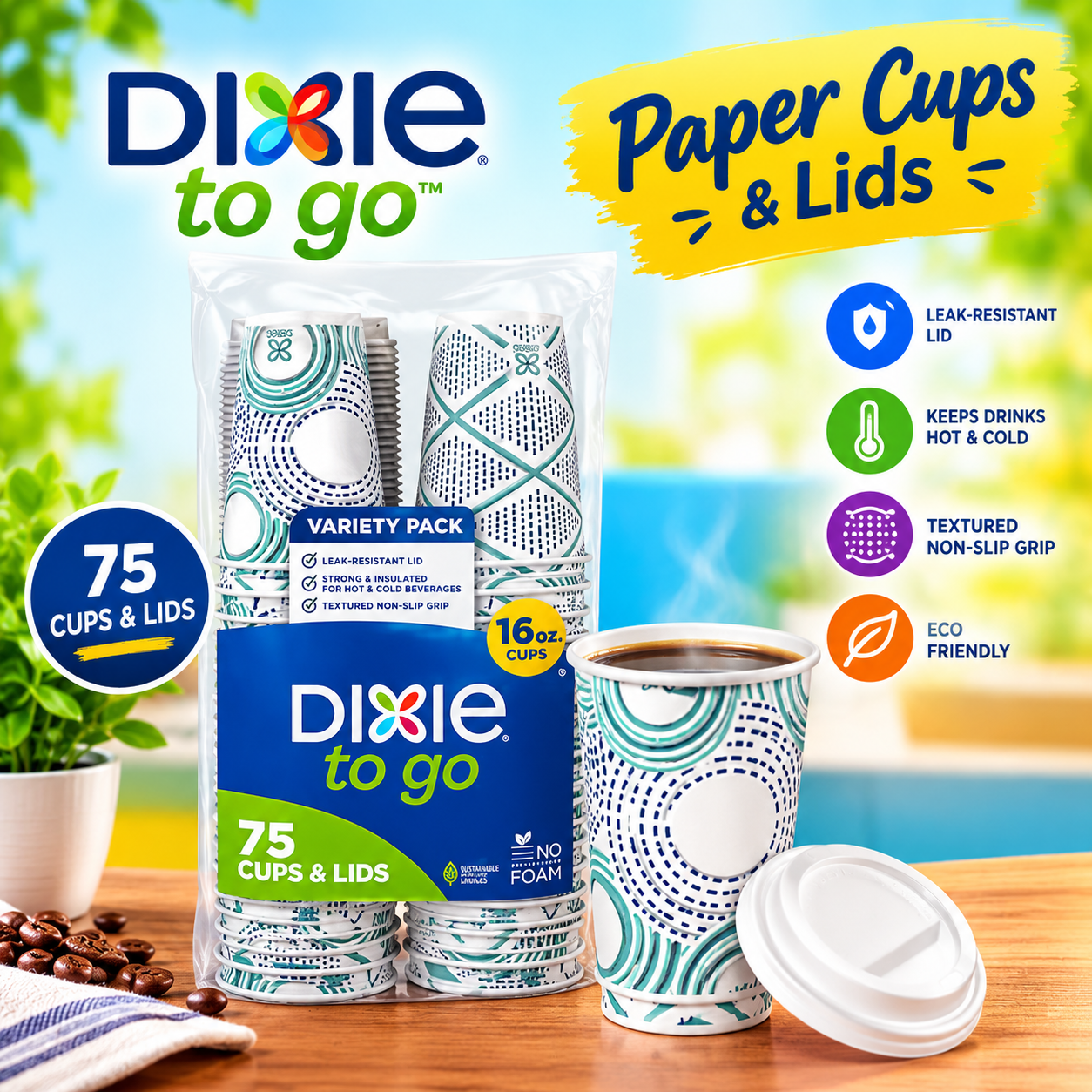
For serving and takeaway operations, you may also need disposable paper plates, paper cups, and disposable bowls.
Offices and Workplace Break Rooms
Offices benefit from keeping paper towels near sinks, kitchen counters, and shared cleaning areas. Napkins can be placed in break rooms, meeting spaces, and refreshment stations for employees and visitors.
For restroom hygiene, businesses should also plan handwashing supplies and an appropriate hand-drying method. The CDC hand hygiene guidance explains the importance of providing soap, water, and a way to dry hands.
Parties, Events, and Catering
Napkins are essential for dining tables, food stations, and guest service. Paper towels are useful at beverage stations, preparation areas, and cleanup points where spills are more likely.
When organizing a gathering, consider stocking napkins according to guest count and meal style, while keeping paper towels available for preparation and cleanup. You can also read the TechLenze disposable party supplies checklist for more planning ideas.
Commercial Paper Towels: Roll Towels vs Folded Towels
Businesses that purchase paper towels in bulk should consider the dispensing format. The right format can improve convenience, manage consumption, and reduce how often staff need to refill dispensers.
Roll Paper Towels
Roll towels are supplied in continuous rolls and may be used in compatible wall-mounted or countertop dispensers. Depending on the product, they can be suitable for kitchens, workstations, and high-use areas.
When comparing roll towels, review roll length, sheet count where applicable, roll width, core dimensions, and dispenser compatibility.
Multifold and Z-Fold Paper Towels
Folded paper towels are commonly used in commercial washrooms and handwashing stations. Multifold and Z-fold formats are designed to work with compatible dispensers, often allowing users to take individual sheets.
Before purchasing folded towels, check the folded dimensions and dispenser specifications. A towel that does not fit correctly may cause dispensing problems, waste, or frequent maintenance.
Hardwound Roll Towels
Hardwound towels are continuous rolls designed for compatible commercial dispensers. They are often considered for locations that require frequent hand-drying or regular paper supply replenishment.
For homes and smaller businesses, household roll towels may be sufficient. For larger facilities, commercial formats and dispenser compatibility deserve more attention.
How to Calculate Cost Per Sheet and Cost Per Use
One of the most important parts of bulk purchasing is understanding the real cost of a paper product. A lower package price does not always mean better value. The total sheet quantity, product performance, and number of sheets used for each task also matter.
Cost Per Sheet Formula
Cost per sheet = Total package price ÷ Total number of sheets
For example, if a package costs $20 and contains 2,000 sheets, the cost per sheet is $0.01.
Cost Per Use Formula
Cost per use = Cost per sheet × Average sheets used per task
This second calculation is useful because different products may require different numbers of sheets to complete the same task. A paper towel that handles a spill with fewer sheets may provide better value even if its initial package price is higher.
Compare Pack Size and Actual Consumption
Before ordering bulk paper towels or napkins, compare the total sheet count, pack quantity, product dimensions, and expected usage. For napkins, consider how many guests are served and how many napkins are typically used per meal. For paper towels, estimate daily cleaning and hand-drying requirements.
Explore available paper towel packs and bulk napkin options at TechLenze when comparing household and business supplies.
How to Choose Paper Towels and Napkins for Your Business
Businesses should select paper products according to their operational requirements instead of purchasing the same type for every area. A café, office, restaurant, and warehouse may all have different paper consumption patterns.
- Restaurants: Stock dining napkins for guests and absorbent paper towels for kitchen stations.
- Cafés: Keep beverage napkins near service counters and paper towels near sinks and preparation areas.
- Offices: Provide paper towels for hand-drying and cleaning, with napkins available in break rooms.
- Schools: Plan paper supplies according to restroom, cafeteria, and shared-space requirements.
- Catering Businesses: Keep napkins for food service and paper towels for preparation and cleanup.
- Households: Maintain a convenient supply of both products for meals, spills, and everyday kitchen use.
For larger workplaces, it is also useful to organize waste collection and hygiene supplies. Explore trash bags and commercial can liners to support routine cleanup and waste management.
Hygiene and Safe Handling of Disposable Paper Products
Paper towels and napkins should be stored and handled properly to maintain their cleanliness. Keep unused products in their original packaging or in a clean, dry storage area. Avoid placing open packs near moisture, dust, cleaning chemicals, or areas where food contamination could occur.
In workplaces, provide accessible handwashing facilities, soap, and an appropriate hand-drying method. The CDC’s hand hygiene FAQ explains that people should dry their hands completely after washing because germs spread more easily when hands are wet.
For food-service operations, keep napkins and paper towels protected from direct contact with contaminated surfaces. Use fresh disposable products for appropriate tasks and follow workplace food-safety procedures.
Businesses can also review the OSHA restroom and sanitation guidance when planning workplace hygiene facilities.
Environmental Considerations: Recycled Paper Towels and Napkins
Paper towels and napkins are disposable products, so purchasing decisions can also consider recycled fiber content, packaging, and overall material use. Some products are manufactured with recovered paper fibers, while others use different fiber blends and production methods.
When comparing recycled-content products, check the manufacturer’s stated recycled content and any relevant product certifications. Performance still matters: absorbency, strength, and suitability for the intended task should be considered alongside environmental information.
The U.S. Environmental Protection Agency’s paper and paper products procurement guidance provides information about recovered materials and commercial sanitary tissue products, including paper towels and napkins.
Another useful way to reduce unnecessary consumption is to select the correct product for each task. Avoid using several napkins for a spill that requires an absorbent paper towel, and avoid distributing oversized towels when a napkin is sufficient.
Why Stock Both Paper Towels and Napkins?
For most households and businesses, keeping both products available is the most practical approach. Each product performs a different role, and using them appropriately can improve convenience and help control consumption.
Paper towels are useful for spills, hand-drying, and cleaning tasks. Napkins are better suited to dining, guest service, and personal use during meals. A balanced stock plan helps ensure that the right product is available when it is needed.
At TechLenze, you can explore both paper towels and paper napkins, along with other household and food-service essentials.
Shop Paper Towels and Napkins Online at TechLenze
Finding the right disposable paper products should be simple. TechLenze offers household and everyday business supplies for customers across the USA, including paper towels, napkins, paper plates, cups, bowls, food storage products, and waste management essentials.
When comparing products, review the pack size, sheet count, ply, product format, and intended use. This helps you select suitable supplies for your household, workplace, restaurant, or food-service operation.
- Paper Towels: Explore available Bounty paper towel packs for everyday cleaning and absorbent kitchen tasks.
- Paper Napkins: Compare Member’s Mark one-ply, two-ply, and three-ply napkin options.
- Kitchen Essentials: Browse aluminum foil and food wrap for food preparation and storage.
- Serving Supplies: Find paper plates, paper cups, and disposable bowls.
- Cleanup Supplies: Explore trash bags and can liners.
TechLenze focuses on competitive pricing and authentic products. Same-day or next-day delivery may be available for eligible orders and locations in the USA, subject to product availability and delivery conditions.
Visit the TechLenze homepage or browse the complete online shop to explore available household and business essentials.
Frequently Asked Questions About Paper Towels and Napkins
Are paper towels more absorbent than paper napkins?
Paper towels are generally designed for greater liquid absorption and cleaning performance. Napkins are mainly designed for dining and light personal use. Actual performance varies by product construction and manufacturer.
Can paper napkins replace paper towels?
Napkins can handle light wiping and small spills, but they are not usually a practical replacement for paper towels during larger spills, hand-drying, or cleaning tasks.
What does two-ply mean in paper towels and napkins?
Two-ply means that the product contains two paper layers joined together. Ply count describes construction, but it does not independently guarantee softness, absorbency, or strength.
What is GSM in paper towels?
GSM means grams per square meter. It measures the weight of paper over a specific area. It is useful when comparing material specifications, but it should be considered alongside absorbency, fiber composition, and sheet construction.
Are three-ply napkins better than one-ply napkins?
Three-ply napkins generally provide a thicker layered construction. They may be suitable for premium dining and special occasions, while one-ply napkins can be practical for everyday, high-volume service. The best option depends on the intended use and product quality.
Which paper towels are suitable for commercial restrooms?
Commercial restrooms commonly use folded multifold, Z-fold, C-fold, or compatible roll towels. The correct format depends on the dispenser, expected usage, and product specifications.
How do I calculate the cost of paper towels in bulk?
Divide the total package price by the total number of sheets to calculate cost per sheet. Then multiply that figure by the average number of sheets used for each task to estimate cost per use.
Should restaurants stock both napkins and paper towels?
Yes. Napkins are useful for guest dining and table service, while paper towels are better suited to hand-drying, kitchen stations, and suitable cleaning tasks.
Where can I buy paper towels and napkins online?
You can explore the TechLenze paper towels category and napkins category to compare available products and pack sizes.
Final Thoughts: Make the Right Stocking Decision
Paper towels and napkins are both important disposable paper supplies, but they serve different purposes. Paper towels are designed for absorbency, wet strength, hand-drying, and everyday cleanup. Paper napkins are designed for dining, guest service, and convenient personal use.
When selecting products, consider ply count, GSM, sheet dimensions, absorbency, wet strength, dispenser compatibility, and cost per use. For businesses, matching the product format to each workstation or service area can make purchasing and inventory management more efficient.
Whether you are stocking a household kitchen, office break room, restaurant, or catering operation, keeping both products available is a practical way to cover everyday needs. Explore paper towels, paper napkins, and more TechLenze household essentials to find suitable supplies for your needs.
Related Guides
