






News
Why Buying Household Essentials in Bulk Saves Money (and Storage Space)
Nov
Buying household essentials in bulk is one of the simplest ways to organize regular shopping, reduce repeated purchases, and potentially save money over time. Products such as paper towels, toilet paper, trash bags, paper plates, disposable cups, napkins, aluminum foil, and food storage bags are used regularly in most homes. Instead of purchasing small packages every few days, buying larger quantities can help households maintain a convenient supply while reducing the cost per item when the larger pack offers better value.
However, buying in bulk does not automatically mean saving money. The actual value depends on the package price, quantity, product quality, shipping costs, storage space, and how quickly your household uses the products. A large package is only a smart purchase when you genuinely need the items and can store them properly.
Whether you manage a busy household, an office, a restaurant, or a small business, understanding how bulk purchasing works can help you make better shopping decisions. In this guide, we explain the benefits of buying household essentials in bulk, how to calculate real savings, which products are worth stocking up on, and how to organize your supplies efficiently.
At TechLenze, you can explore a range of household and disposable essentials, including paper plates, paper cups, disposable bowls, trash bags, and other everyday products.
Why Buying Household Essentials in Bulk Saves Money
The biggest financial advantage of bulk purchasing is the opportunity to lower the cost per unit. A larger package may have a higher total price, but it can contain significantly more individual items than a smaller package. When the price per sheet, roll, bag, or piece is lower, you may receive better overall value.
Bulk shopping can also reduce the number of times you need to reorder frequently used household products. Instead of making several small purchases throughout the month, you can plan a larger order based on your regular consumption.
Lower Cost Per Unit
Many household essentials are available in different package sizes. Comparing the cost per item rather than the total package price helps identify which option provides better value.
For example, a large pack of paper towels may cost more upfront than a smaller pack, but it may provide a lower cost per roll or sheet. The same comparison applies to napkins, disposable plates, cups, trash bags, and food storage products.
Fewer Shopping Trips and Reorders
Running out of essential household supplies can create unnecessary interruptions. Buying commonly used products in larger quantities can reduce emergency shopping trips and make household supply planning easier.
This is particularly useful for busy families, offices, restaurants, and workplaces that regularly use disposable products.
More Predictable Household Budgeting
When you understand how quickly your household uses certain products, you can plan purchases more effectively. Instead of buying supplies whenever they run out, you can create a monthly or quarterly purchasing schedule.
For example, if your household uses a consistent quantity of paper towels, napkins, and trash bags, tracking those products can make future purchases more predictable.
Convenient Product Availability
Keeping a reasonable backup supply means you are less likely to run out of essential products at an inconvenient time. This is especially important for frequently used items such as toilet paper, kitchen paper towels, trash bags, and food storage supplies.
How to Calculate Real Savings When Buying in Bulk
One of the most important rules of smart bulk shopping is to compare unit prices. A large package is not necessarily cheaper simply because it contains more products. You need to calculate how much each individual item actually costs.
Cost Per Unit Formula
Cost per unit = Total package price ÷ Total number of units
For example, imagine you are comparing two packages of trash bags:
| Package | Total Price | Quantity | Cost Per Bag |
|---|---|---|---|
| Small Pack | $12.00 | 40 bags | $0.30 |
| Bulk Pack | $24.00 | 100 bags | $0.24 |
In this example, the bulk package costs more at checkout, but each bag costs less. If your household regularly uses trash bags, the larger package may offer better value.
Calculate the Percentage of Savings
You can also calculate the percentage difference between two unit prices.
Percentage savings = (Small-pack unit price − Bulk unit price) ÷ Small-pack unit price × 100
Using the example above, the difference is $0.06 per bag. Dividing $0.06 by $0.30 gives a potential unit-price saving of 20%.
Include Shipping and Other Costs
The actual cost of an online purchase may include delivery charges, taxes, or other applicable fees. These should be considered before deciding whether a bulk order offers better value.
For online shopping, compare the total checkout cost rather than relying only on the product’s displayed price. A larger order may be convenient, but it should still fit your budget and purchasing requirements.
Compare Cost Per Sheet, Roll, or Count
Different household products require different comparison methods:
- Paper Towels: Compare total sheets, rolls, and cost per sheet or roll.
- Toilet Paper: Compare total rolls, sheet count, and cost per sheet where available.
- Napkins: Compare the total napkin count and cost per napkin.
- Trash Bags: Compare the total number of bags and cost per bag.
- Paper Plates: Compare plate count, dimensions, and cost per plate.
- Disposable Cups: Compare cup quantity, capacity, and cost per cup.
- Food Storage Bags: Compare bag count, size, closure type, and cost per bag.
For additional product comparisons, read the Paper Towels vs Napkins guide and the Food Storage Bags guide.
Best Household Essentials to Buy in Bulk
Some household products are especially suitable for bulk purchasing because they are used frequently, have relatively predictable consumption, and can generally be stored for long periods when kept in suitable conditions.
Paper Towels
Paper towels are everyday household essentials used for kitchen cleanup, wiping suitable surfaces, absorbing spills, and drying hands. Families and businesses that regularly use paper towels may benefit from purchasing larger multipacks.
When comparing paper towels, review the total roll count, sheets per roll, ply construction, sheet dimensions, and product format. These specifications help you compare products more accurately than package size alone.
Explore Bounty paper towels at TechLenze for available multipack options.
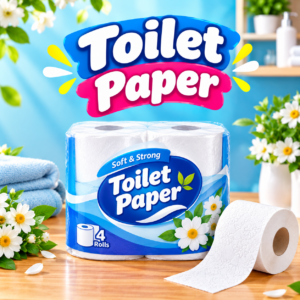
Toilet Paper
Toilet paper is another frequently used household essential. Buying larger packs can help reduce repeated shopping and maintain a convenient supply for families, offices, and other facilities.
Compare roll quantity, sheet count, ply, softness, and package dimensions when selecting a bulk toilet paper product. Larger packages can require additional storage space, so consider your available storage area before ordering.
Browse the TechLenze toilet paper collection for available household options.
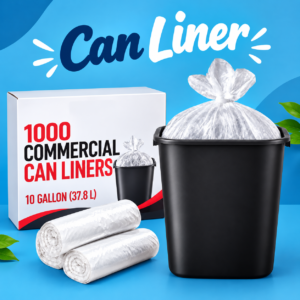
Trash Bags and Can Liners
Trash bags are practical bulk purchases because they are used regularly in kitchens, bathrooms, offices, and other areas. Buying a larger quantity can make it easier to maintain a steady supply.
However, the correct bag size and capacity are important. Check the dimensions, gallon capacity, thickness, and intended application before choosing a product.
For household waste management, explore trash bags and commercial can liners at TechLenze.
Disposable Paper Plates
Disposable paper plates are convenient for everyday meals, family gatherings, parties, picnics, and events. Buying larger packs can help households and food-service businesses prepare for regular serving needs.
Consider plate diameter, construction, compartment design, and pack quantity. A small snack plate and a larger dinner plate serve different purposes, so compare the actual product specifications before purchasing.
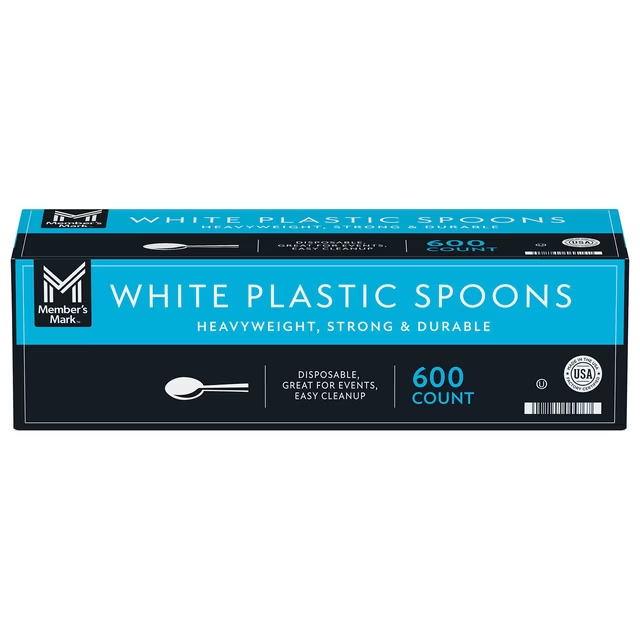
Explore disposable paper plates at TechLenze, including available Chinet, Dixie, and Hefty products.
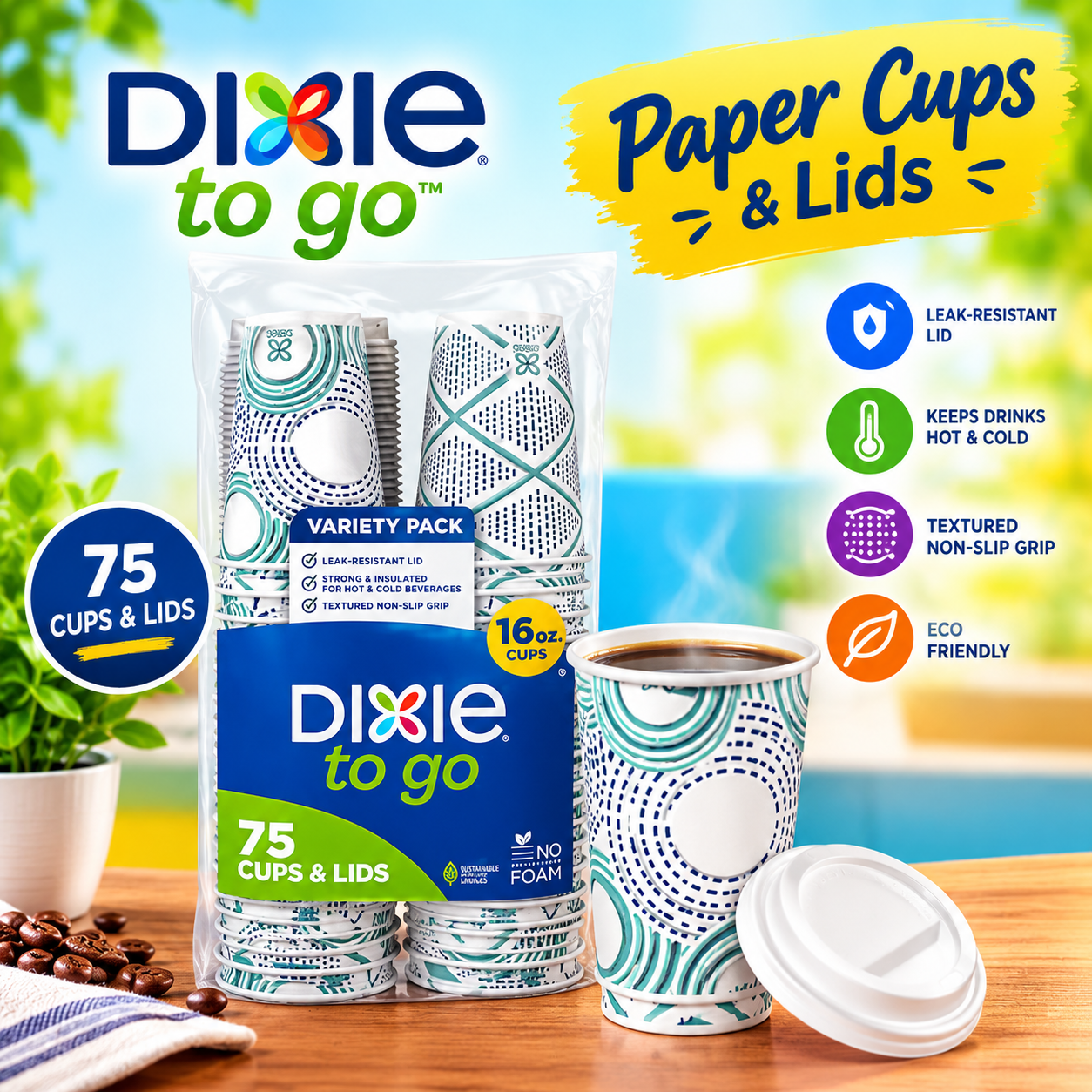
Paper Cups and Disposable Cups
Paper cups are useful for serving coffee, tea, water, and other suitable beverages. Homes, offices, cafés, and event organizers may use them regularly, making larger packages a convenient purchasing option.
Compare cup capacity, hot or cold beverage suitability, insulation, lid compatibility, and package quantity. Choosing the correct cup for your intended beverage is more important than selecting the largest available pack.
Browse the TechLenze paper cups collection for available sizes and brands.
Disposable Bowls
Disposable bowls are practical for serving soups, salads, snacks, desserts, and other foods. They are commonly used in households, offices, parties, and catering operations.
Before buying in bulk, consider bowl capacity, material, strength, and intended food application. Larger packs can be convenient when you regularly serve food to multiple people.
Explore disposable bowls at TechLenze for available household and food-service options.
Napkins
Paper napkins are used during meals, gatherings, office breaks, and food-service operations. They are available in different ply constructions and folded formats, depending on the product.
Compare the number of napkins per pack, ply count, dimensions, and intended use. One-ply napkins may be practical for everyday dining, while thicker napkins may be suitable for more substantial meal service.
Browse the Member’s Mark napkins collection at TechLenze.
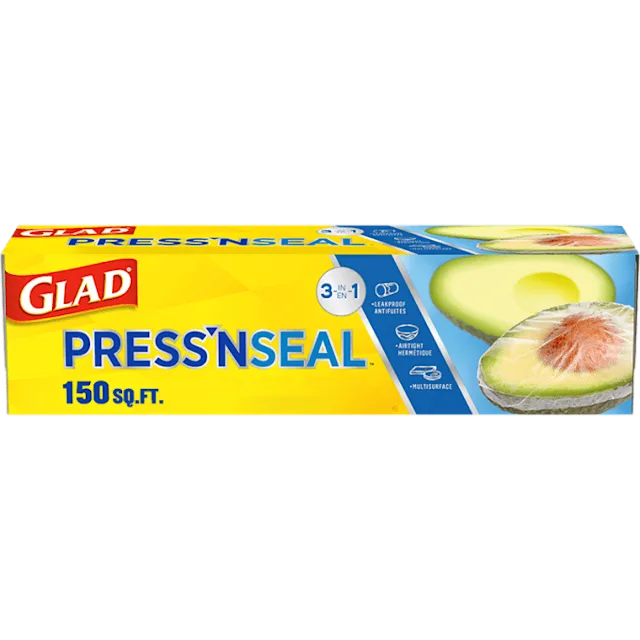
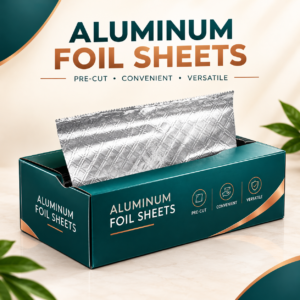
Aluminum Foil and Food Wrap
Aluminum foil and plastic food wrap are useful kitchen supplies for suitable food preparation, covering, and storage applications. They are frequently used in homes and food-service environments.
When comparing aluminum foil, consider roll length, width, and whether you need standard or heavy duty construction. For plastic food wrap, compare roll dimensions and the product’s intended applications.
Explore aluminum foil and food wrap products at TechLenze.
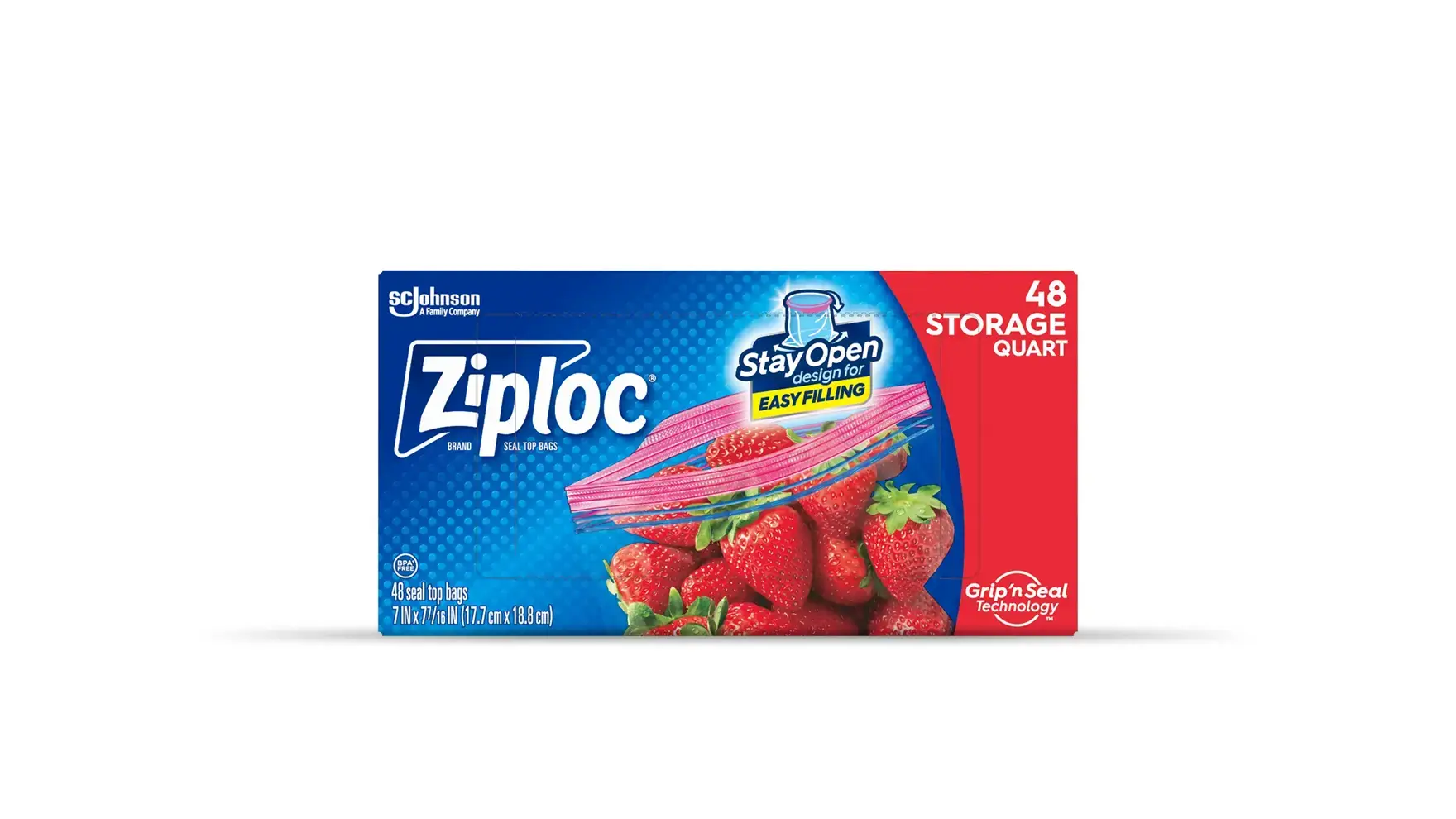
Food Storage Bags
Food storage bags are convenient for packing lunches, separating portions, organizing ingredients, and storing suitable foods. Snack, sandwich, quart, gallon, and freezer bags are available for different storage requirements.
Compare the bag size, total count, closure type, and freezer suitability before purchasing a larger pack.
Explore Ziploc food storage bags and Glad household products at TechLenze.
Bulk Shopping for Kitchen and Food-Service Supplies
Households and businesses often need several disposable products at the same time. Instead of purchasing each item separately whenever it runs out, planning a combined order can make supply management more convenient.
For example, a household preparing for regular family meals may need paper plates, disposable bowls, paper cups, napkins, aluminum foil, and food storage bags. A café or catering operation may also need serving products and suitable waste-management supplies.
Consider organizing your kitchen essentials into the following groups:
- Food Serving: Paper plates, disposable bowls, cups, and napkins.
- Food Preparation: Aluminum foil, food wrap, and parchment paper.
- Food Storage: Ziploc storage bags and suitable freezer bags.
- Kitchen Cleanup: Paper towels, trash bags, and can liners.
- Restroom Supplies: Toilet paper and appropriate hand-drying products.
For more kitchen planning ideas, read the Standard vs Heavy Duty Aluminum Foil guide and the Disposable Party Supplies Checklist.
Bulk Purchasing for Offices, Restaurants, and Small Businesses
Bulk purchasing is not limited to households. Offices, restaurants, cafés, schools, and small businesses regularly use disposable supplies. For these organizations, keeping track of consumption and purchasing the correct pack sizes can improve supply planning.
Restaurants and Cafés
Restaurants and cafés may need paper cups, disposable plates, bowls, napkins, food storage products, and waste bags. The amount required depends on customer volume, menu, service style, and operating schedule.
Keeping separate stock records for dining supplies and kitchen cleanup products can help prevent unnecessary purchases.
Offices and Workplaces
Offices commonly use paper towels, napkins, cups, toilet paper, and trash bags. A regular restocking schedule helps maintain essential supplies for employees and visitors.
For workplace restroom planning, read the Restroom Essentials for Small Businesses guide.
Catering and Event Businesses
Catering companies and event organizers may need larger quantities of disposable plates, cups, bowls, napkins, serving supplies, and trash bags. Buying suitable products in advance can make event preparation more organized.
It is useful to estimate the number of guests, meal periods, and serving requirements before deciding how much stock to purchase.
How Bulk Buying Can Reduce Repeated Packaging and Deliveries
Buying larger quantities may reduce the number of separate product packages and deliveries needed over time. For some products, one larger package can replace several smaller packages, potentially reducing repeated outer packaging and delivery activity.
However, the environmental benefit depends on the actual packaging design. Some bulk products still contain individually wrapped items, so larger package size does not automatically mean less total packaging.
To make more informed choices, compare packaging, product quantity, and how efficiently you will use the items. The U.S. Environmental Protection Agency’s reducing and reusing guidance explains how purchasing decisions and packaging reduction can help prevent waste.
How to Organize Household Supplies After Bulk Shopping
Buying in bulk is only useful when you can store and manage the products properly. An organized storage system helps you locate items, monitor quantities, and avoid buying products you already have.
Create One Main Storage Area
Choose a suitable shelf, cabinet, closet, or storage area for your extra household supplies. Keeping products together makes it easier to check what is available before placing another order.
Keep Daily-Use Products Separate
Store one working pack of paper towels, napkins, trash bags, and other frequently used products where you normally need them. Keep additional stock in your main storage area and refill the working supply when required.
Use the First-In, First-Out Method
The first-in, first-out method means using older stock before opening newer packages. Place newly purchased products behind existing supplies so older items are used first.
This method is especially useful for products with printed expiration dates, special storage instructions, or packaging that can deteriorate over time.
Protect Supplies From Moisture and Heat
Paper products should be stored in clean, dry conditions. Keep paper towels, napkins, toilet paper, and disposable plates away from moisture and direct exposure to water. Follow the manufacturer’s storage instructions for plastic products and other household supplies.
Maintain a Simple Inventory
A small inventory list can help you track the quantity of each product and identify when it needs to be reordered.
For example, record the number of packs of paper towels, trash bags, napkins, and disposable cups available. Update the list whenever a new package is opened or a new order arrives.
Build a Monthly Household Restocking Routine
A planned restocking routine can help prevent last-minute shopping and reduce unnecessary purchases. Instead of ordering products randomly, review your supplies at regular intervals.
A simple monthly restocking process can include:
- Check the current quantity of frequently used products.
- Identify which items are running low.
- Compare the available pack sizes and unit prices.
- Review your household budget before ordering.
- Check the storage space available for new supplies.
- Combine suitable products into one planned order.
- Update your inventory after the order arrives.
For households with predictable usage, a monthly review may be sufficient. Businesses with higher consumption may need weekly or more frequent inventory checks.
When Buying in Bulk Does Not Save Money
Although bulk purchasing can be useful, it is not the right choice for every product or household. Buying more than you need can tie up money, create storage problems, and lead to unnecessary waste.
When You Do Not Use the Product Regularly
Buying a large package of an item you rarely use may not provide meaningful savings. It is better to purchase a smaller quantity when you are unsure whether the product suits your needs.
When Storage Space Is Limited
Large packages can be difficult to store in small homes, apartments, and crowded kitchens. Consider the physical dimensions of the package before placing a bulk order.
When the Bulk Unit Price Is Not Lower
Some larger packages are not actually cheaper per unit. Always compare the price per roll, sheet, bag, or count instead of assuming that the largest package is automatically the best deal.
When a Product Has a Limited Shelf Life
Food and other products with expiration dates should only be purchased in quantities you can reasonably use before they expire. Buying too much can create waste and eliminate the expected savings.
The EPA guide to preventing wasted food at home recommends planning purchases around actual consumption and avoiding quantities that may go unused.
When You Have Not Tested the Product
Before purchasing a large quantity of an unfamiliar brand or product, consider trying a smaller pack first. This is especially useful for paper products where softness, absorbency, strength, and dimensions can differ between products.
How to Choose the Right Bulk Pack Size
The best package size depends on household consumption, storage space, budget, and how frequently you want to reorder. A larger family may use a bulk pack quickly, while a smaller household may need a more moderate quantity.
Consider these factors before buying:
- Household Size: Estimate how many people regularly use the product.
- Monthly Consumption: Review how many rolls, sheets, bags, or packs you normally use.
- Storage Capacity: Check whether the package can fit in your available storage area.
- Product Specifications: Compare sheet counts, dimensions, material, and product construction.
- Budget: Make sure the larger upfront payment is affordable.
- Reorder Frequency: Choose a pack size that suits your expected purchasing schedule.
A useful starting point is to estimate your normal one-month consumption. You can then decide whether a larger package provides a practical supply without taking up unnecessary storage space.
Why Shop Household Essentials at TechLenze?
Finding household essentials from one convenient online store can make regular shopping easier. TechLenze offers a selection of disposable products and everyday household supplies for customers across the USA.
Whether you need paper products for your home, food-serving supplies for an event, or everyday cleanup essentials for a business, you can explore different product categories through the TechLenze online shop.
Explore Household and Disposable Product Categories
- Paper Plates: Disposable plates for meals, parties, gatherings, and food service.
- Paper Cups: Convenient cups for coffee, tea, water, and other beverages.
- Disposable Bowls: Serving options for soups, salads, snacks, and meals.
- Paper Towels: Everyday absorbent paper products for household and kitchen tasks.
- Napkins: Disposable dining supplies for homes, offices, and events.
- Toilet Paper: Everyday restroom essentials.
- Trash Bags: Household and cleanup waste bags.
- Can Liners: Waste-management supplies for suitable containers.
- Aluminum Foil: Kitchen foil for suitable food preparation and storage tasks.
- Food Wrap: Convenient food-covering products.
- Ziploc Products: Food storage bags and related products.
- Glad Products: Selected household storage and food-wrap essentials.
- Reynolds Products: Aluminum foil and related kitchen products.
TechLenze focuses on competitive pricing and authentic products. The website also advertises free shipping on orders over $75 and same-day or next-day delivery for eligible stocked products. Check the current TechLenze website and shipping terms for applicable conditions and availability.
Visit the TechLenze homepage or browse the complete online store to explore available household and disposable essentials.
Frequently Asked Questions About Buying Household Essentials in Bulk
Does buying household essentials in bulk always save money?
No. Bulk purchasing can reduce the cost per unit, but only when the larger package offers a better unit price and you use the products. Shipping charges, storage requirements, and unused supplies can affect the actual savings.
Which household products are best to buy in bulk?
Frequently used products such as paper towels, toilet paper, trash bags, napkins, paper plates, disposable cups, aluminum foil, and food storage bags can be suitable bulk purchases when you have enough storage space.
How do I compare bulk prices with regular package prices?
Divide the total package price by the number of individual units. Compare the cost per sheet, roll, bag, or item rather than comparing only the package prices.
Is buying paper products in bulk a good idea?
It can be a practical choice because paper products such as paper towels, napkins, and toilet paper are used regularly. Store them in a clean, dry place and choose a quantity that matches your household consumption.
How much household supply should I buy at once?
Start by estimating your normal monthly usage. Choose a package size that provides a convenient supply without exceeding your storage capacity or budget.
Can small households benefit from bulk shopping?
Yes. Smaller households can also benefit from buying frequently used, non-perishable products in larger packages. They may simply need to purchase those packages less frequently.
How should I store bulk household supplies?
Keep paper products in a clean, dry location away from moisture. Organize products by category, keep daily-use packs accessible, and use older stock before opening newer packages.
Are larger packages always better value?
No. Compare the unit price and product specifications. Sometimes a smaller package may offer a better deal, especially during promotions or when the larger package has a higher unit cost.
Is bulk shopping useful for restaurants and offices?
Yes. Restaurants and offices often use disposable products regularly, including paper towels, napkins, cups, plates, and trash bags. Tracking consumption can help businesses plan orders and manage supply costs.
Where can I buy household essentials in bulk online?
You can explore the TechLenze online shop for available household and disposable products, including paper plates, cups, bowls, trash bags, food storage products, and other everyday essentials.
Final Thoughts: Shop Smarter and Save With Bulk Household Essentials
Buying household essentials in bulk can be a practical way to manage regular shopping, reduce repeated purchases, and potentially lower your cost per item. Products such as paper towels, toilet paper, napkins, paper plates, cups, trash bags, aluminum foil, and food storage bags are useful examples of supplies that many households and businesses purchase regularly.
The key to successful bulk shopping is planning. Compare unit prices, review product specifications, consider shipping costs, estimate your consumption, and make sure you have enough storage space. Avoid purchasing large quantities of products you rarely use or have not tested.
With an organized inventory and a consistent restocking routine, you can make more informed purchasing decisions and keep essential supplies available when you need them.
Explore paper plates, paper cups, paper towels, trash bags, and other household essentials at TechLenze to make your everyday shopping more convenient.
Related Guides
- The complete guide to bulk disposable essentials
- Disposable essentials every small business should stock
- Stocking a vacation rental with disposable essentials
