






News
Food Wrap Guide: Keeping Food Fresh at Home and at Work
Nov
Food wrap is one of those kitchen basics you only think about when the roll runs out mid-recipe. Used well, food wrap seals in freshness, keeps fridge odors away from leftovers, and helps prepped ingredients last longer. Used badly, it sticks to itself, tears at the wrong moment, and leaves food exposed anyway.
This guide covers how wrap works, the habits that make food last, and when foil or storage bags do the job better. If you are stocking a whole kitchen rather than a single drawer, our complete guide to bulk disposable essentials shows how wraps fit in with the rest of your supplies.
How Food Wrap Keeps Food Fresh
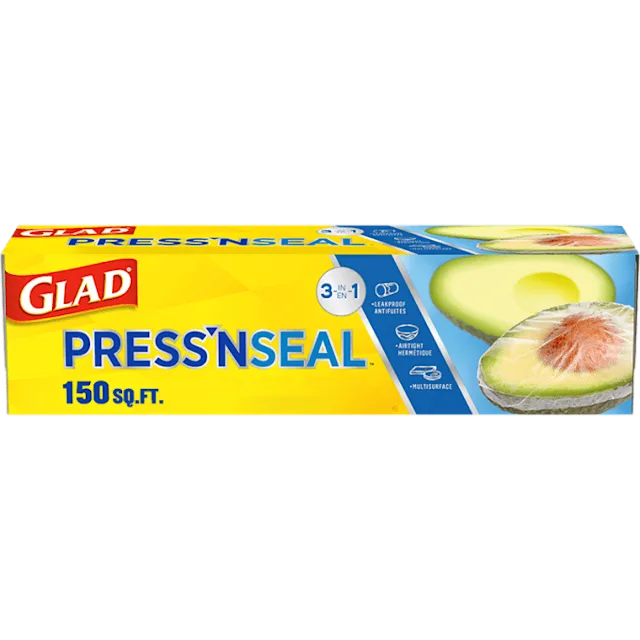
Wrap works by clinging tightly to the surface of a bowl, a plate, or the food itself — and that close contact is the whole point. Air dries food out and speeds up staleness, so a seal that hugs the surface leaves far less air inside than a loose lid. The film also holds moisture in and stops strong smells from onions, curries, or cut melon migrating to everything else in the fridge.
Because wrap is transparent, you can see what is inside at a glance. For the best seal, make sure the rim of the bowl is dry, pull the wrap taut, and press it firmly around the edges. Pressing wrap directly onto the surface of foods like guacamole or pudding also prevents a skin from forming.
Wrapping at Home: Leftovers, Produce and Prep
At home, wrap earns its place in three everyday jobs. The first is leftovers: covering a bowl of pasta or a plate of roasted vegetables takes seconds and stops food drying out overnight. The second is produce — half an onion, a cut lemon, or a wedge of cheese keeps noticeably longer when the cut surface is wrapped snugly instead of left open to fridge air.
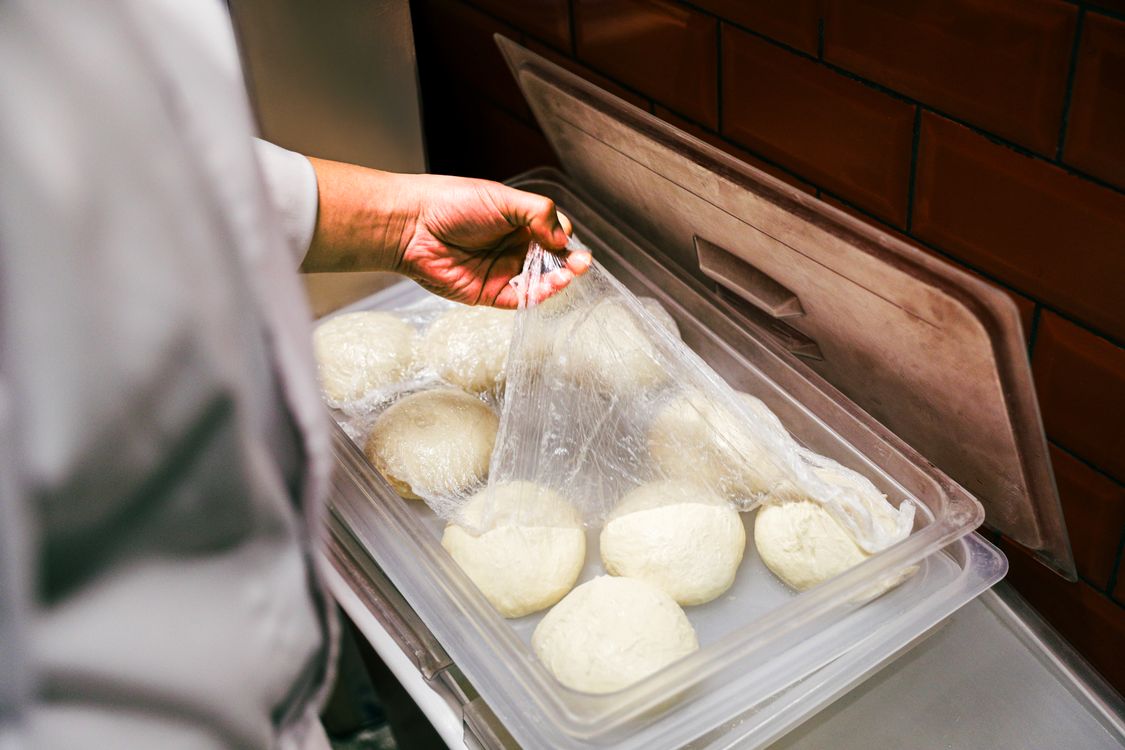
The third job is prep work. Wrap portions of raw meat or fish tightly before they go into a freezer bag, cover dough while it rises, or wrap sandwiches the night before a busy morning. If you go through wrap quickly, choose a roll width that matches your bowls and baking dishes so you are not fighting film that is too narrow. Compare the options in our food wrap range alongside your other kitchen staples.
Food Wrap at Work: Break Rooms, Cafés and Prep Kitchens
In workplaces, wrap is less about leftovers and more about hygiene and speed. Cafés, bakeries, delis and office kitchens use it to cover prep containers, wrap sandwiches and baked goods for display, and seal trays between services. Because it is clear, staff can check contents at a glance, with no washing up between uses.
A few habits matter more at work. Wrap ready-to-eat food separately from raw ingredients, and use fresh wrap when you switch from one food to another so flavors and crumbs do not transfer. Writing the date on the wrap before food goes into the fridge makes rotation simple: the oldest items get used first. Keep the roll where prep happens — a roll stored across the room is one nobody reaches for when busy.
Wrap, Foil or Storage Bags: Picking the Right Cover
Wrap is not always the best tool. Aluminum foil blocks light, holds its shape, and goes into the oven or onto the grill, which wrap never should — browse our aluminum foil options for cooking jobs. Our head-to-head look at parchment paper vs aluminum foil explains when each of those kitchen staples earns its place.
Resealable bags win when you need to open and close a package repeatedly, portion ingredients for the freezer, or keep small items together. Our guide to food storage bags in every common size walks through the sandwich, quart and gallon options, and our room-by-room guide to organizing your kitchen with zip storage bags shows how bags bring order to drawers and pantries. Rule of thumb: wrap seals, foil heats, bags portion.
Frequently Asked Questions
Can food wrap go in the microwave?
Many wraps are labeled microwave-safe, but the safest approach is to follow the instructions on your box, leave a vent for steam, and keep the wrap from touching the food while it heats. If the packaging gives no microwave guidance, use a microwave-safe lid instead.
How long do wrapped leftovers keep in the fridge?
As a general rule, most cooked leftovers keep for three to four days in the refrigerator. Wrapping food tightly helps it reach that window, but it does not extend it — labeling the wrap with the date keeps anything from lingering too long.
Should I wash and reuse food wrap?
No. Wrap is made for a single use: once it has been stretched and pressed onto food, it loses its cling and can carry crumbs and moisture from the previous item. Fresh wrap for each job is both more hygienic and more effective.
Stock Up Before the Roll Runs Out
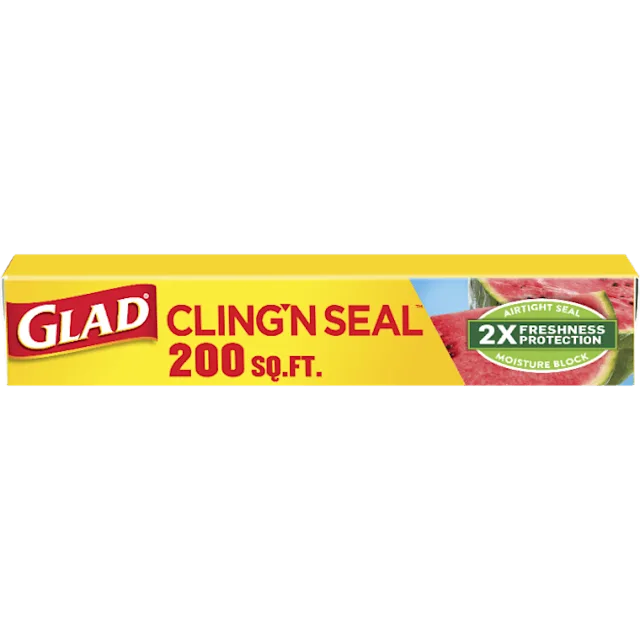
Running out of wrap mid-meal-prep is a small problem that is easy to prevent. Techlenze stocks food wrap and the rest of your kitchen essentials from brands including Reynolds, Hefty and Glad, with same-day or next-day delivery across the USA. Orders of $75 or more ship free, and orders under $75 ship for a flat $2.99. Browse the full range in our online shop and keep your kitchen stocked.
Related Guides
