






News
Disposable Paper Plates Buying Guide: Sizes, Strength & When to Use Them
Nov
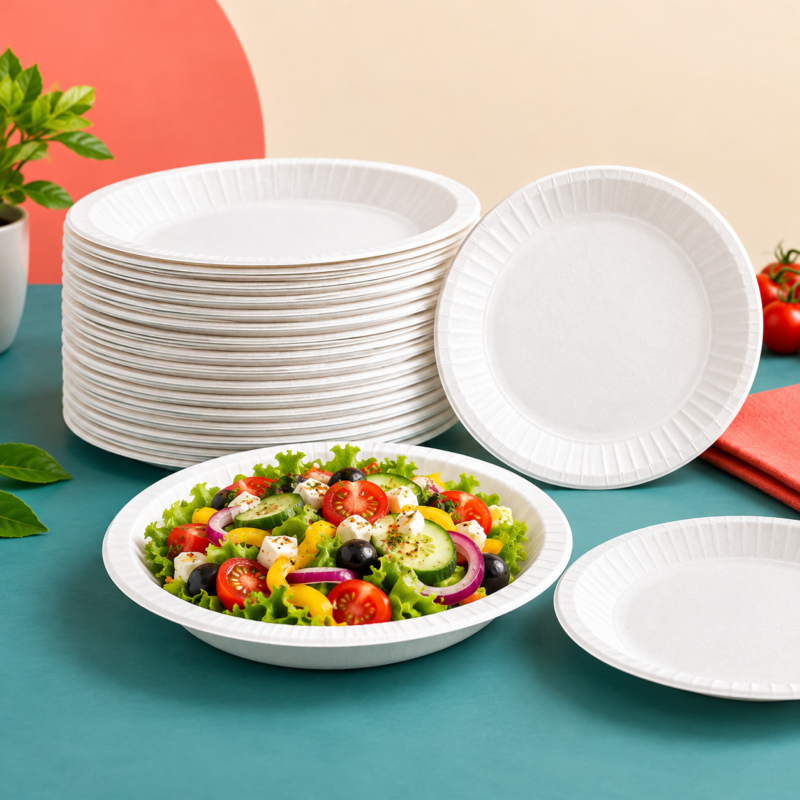
Paper plates look simple, but anyone who has watched a flimsy plate fold under a serving of barbecue knows they are not all the same. Choosing the right size and strength saves money, prevents spills, and makes cleanup at the end of the day genuinely easy. This guide walks through the sizes you will see most often, how plate strength actually works, and how to match a plate to the meal. If you regularly feed a family, a team, or a crowd, buying paper plates bulk is usually the most practical way to keep the right plates on hand without constant restocking trips.
Paper Plate Sizes and What Each One Is For
Size is measured by diameter, and each range has a natural job. Picking by diameter first narrows the field quickly:
- 6 to 7 inches: dessert and snack plates. Best for cake, pie, appetizers, fruit, and small sides. They are too small for a full meal but perfect for a sweets table.
- 8 to 9 inches: the lunch and light-meal size. Sandwiches, salads, burgers, and kids’ portions sit comfortably here. Many households treat this as the everyday default.
- 10 inches and up: full dinner plates. Use them for entrees with multiple sides, holiday meals, and buffet lines where guests load up in one pass.
- Compartment plates: divided plates in the larger sizes keep sauces, salads, and mains from mixing, which is helpful for picnics, potlucks, and younger eaters.
A good rule of thumb: when in doubt, size up. A slightly large plate looks generous; a slightly small one forces guests to balance food at the edges or make extra trips.
Strength: Why Some Plates Hold Up and Others Fold
Strength comes from material and construction, not just thickness you can feel. Standard lightweight paper plates are fine for dry snacks and short holding times, but they bend under heavy or saucy food and can soak through. Heavier plates use denser fiber, molded construction, or grease-resistant coatings that keep the plate rigid and dry for longer. Molded fiber and heavyweight paperboard plates are the work horses for real meals: they support a full serving, stand up to cutting with a knife, and resist the softening that happens when hot, moist food sits for a while. Brands such as Dixie and Chinet are widely associated with this sturdier end of the range, while lighter options suit quick, dry foods. When you compare paper plates bulk packs, look for words like heavyweight, soak-resistant, and cut-resistant rather than judging by count alone.
Matching the Plate to the Occasion
Different events ask different things of a plate:
- Weeknight family dinners: a sturdy 8 to 9 inch plate handles most meals, and one reliable size simplifies storage.
- Barbecues and cookouts: go heavyweight and 10 inches or larger. Sauces, beans, and grilled meats are the classic plate-folding combination.
- Office lunches and break rooms: midweight plates in a mid size cover sandwiches and leftovers without overspending on strength you do not need.
- Parties and holidays: plan on more than one plate per guest. People take a fresh plate for seconds and dessert, so a dessert size plus a dinner size is a smart pairing.
- Catering and community events: compartment plates speed up serving lines and reduce spills when guests carry plates to seating.
How to Buy Paper Plates Bulk Without Overbuying the Wrong Kind
Start with your two most common occasions rather than the biggest event of the year; you can always add a specialty pack later. Count realistically: for a sit-down meal, one plate per person plus a small buffer for drops and seconds is a sensible baseline, and gatherings with grazing or buffet service usually need more. Storage matters too — plates keep well in a dry cabinet or pantry, so a bulk case is only a problem if you have nowhere flat to stack it. Finally, resist mixing too many sizes at once. Two well-chosen sizes, one everyday and one large or heavyweight, cover the vast majority of home and event needs.
Paper Plate FAQs
Can paper plates go in the microwave? Many heavyweight paper plates are microwave-safe for short reheating, but always check the packaging for that specific product, and never microwave a plate with a plastic or foil coating unless it says you can.
Are paper plates compostable? Uncoated and molded fiber plates are often compostable, while plates with plastic-style coatings usually are not. Check the product description for compostable certification if that matters to you.
How many plates should I buy for a party of 30? For a meal plus dessert, plan roughly two plates per guest, so around 60 plates split between dinner and dessert sizes, plus a few spares.
Stocking up on paper plates bulk keeps you ready for weeknight dinners, weekend cookouts, and last-minute guests alike. Browse the full range of sizes and strengths in our paper plates collection, with delivery across the USA, same-day or next-day delivery options, and free shipping on orders over $75.
Related Guides
- Paper plates vs plastic plates
- Disposable plates for weddings and events
- The complete guide to bulk disposable essentials
