






News
Best Disposable Plates for Weddings and Big Events
Nov
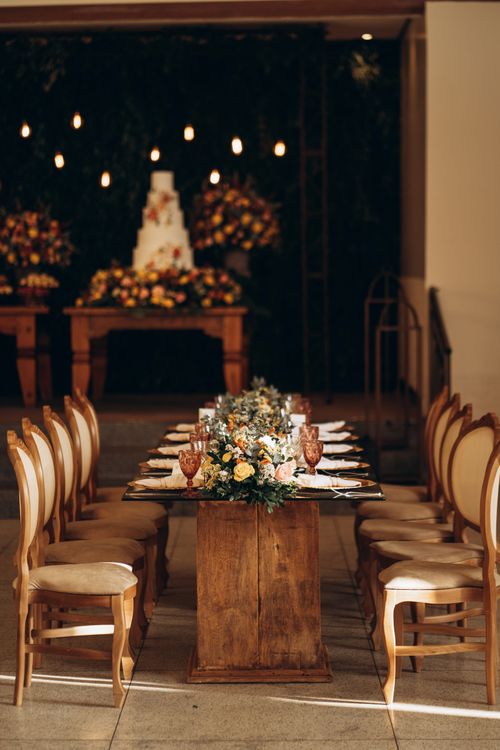
Your wedding menu deserves better than a plate that folds under a slice of roast — but nobody wants to wash two hundred dishes at midnight either. The good news is that modern disposable plates for weddings look elegant, hold a full meal without sagging, and turn reception cleanup into a fifteen-minute job. The trick is choosing the right grade, size, and count in advance.
Plates are only one part of the picture, though — think of them as the centerpiece of a wider stock-up covered in our complete guide to bulk disposable essentials.
What Makes a Plate Wedding-Ready?
Three qualities separate event-grade plates from everyday ones. First, rigidity: a wedding plate must stay flat while a guest carries it from a buffet line to a table, one-handed, often while holding a drink. Second, looks: clean white or ivory finishes, a defined rim, and a smooth surface photograph well next to real glassware. Third, surface protection: sauces, dressings, and gravies should not soak through during a long reception.
Heavier paper plates with a soak-resistant coating tick all three boxes and feel substantial in the hand. Hard plastic plates go a step further in stiffness and often mimic the weight and shine of ceramic. Either can work beautifully — the choice comes down to your menu and how formal the setting is.
Paper or Plastic for the Big Day?
This is the question every couple and planner asks, so it is worth answering carefully. Premium paper plates are lighter, quieter (no clattering), handle hot food well, and suit rustic, outdoor, and garden weddings especially. Hard plastic plates offer the most formal look, stand up to the heaviest meals and sharpest knives, and double nicely for cocktail-hour appetizers in smaller sizes.
If you want the full comparison — strength, cost, cleanup, and which material suits which menu — our dedicated paper plates vs plastic plates comparison walks through it in detail. You can also browse both materials side by side: start with paper plates for coated, event-grade options, then look at plastic plates if you want maximum rigidity and a ceramic-like finish.
A popular middle path: paper for the main course, plastic for cocktail hour and cake, or the reverse. Mixing is completely fine as long as colors stay consistent across the table.
Sizes and Counts: Getting the Numbers Right
Most receptions need three sizes. Dinner plates (around 9–10 inches) carry the main course. Salad or appetizer plates (around 7 inches) handle starters and buffet grazing. Dessert plates (around 6–7 inches) are for cake — do not skip them.
For counts, plan one dinner plate per guest for a plated meal, but one and a half per guest for a buffet, since people often take a fresh plate for seconds. Add a 10–15% buffer overall for drops and last-minute additions to the guest list. Dessert plates are cheap insurance at one per guest plus extras.
A quick example
For 100 buffet guests, that works out to roughly 150 dinner plates, 100 salad plates, and 110 dessert plates. Round up to pack sizes rather than down — running short mid-reception is the one outcome you are planning to avoid. Our disposable party supplies checklist for hosts covers the matching counts for cups, cutlery, and napkins so everything scales together.
The Finishing Touches: Cups, Cutlery, and the Coffee Station
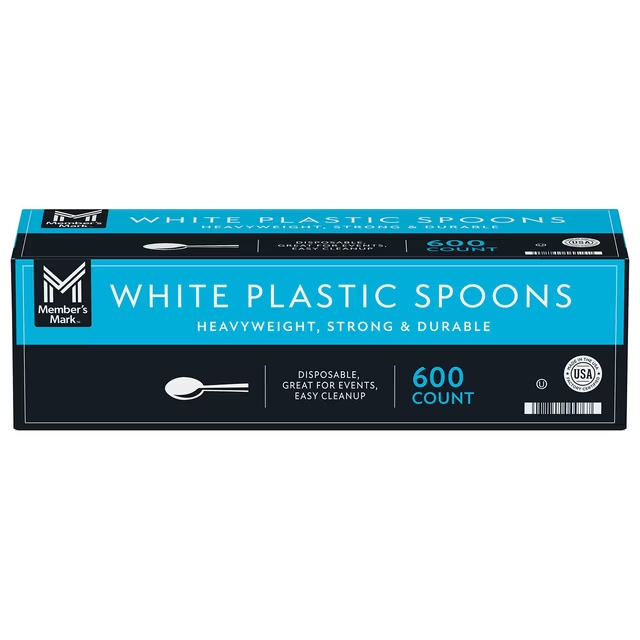
Plates carry the meal, but the details around them shape how the reception feels. Sturdy cutlery matters more at weddings than anywhere else — guests are dressed up and quietly unforgiving of a fork that snaps in a chicken breast. Choose heavyweight cutlery and add a few extra sets beyond your plate count.
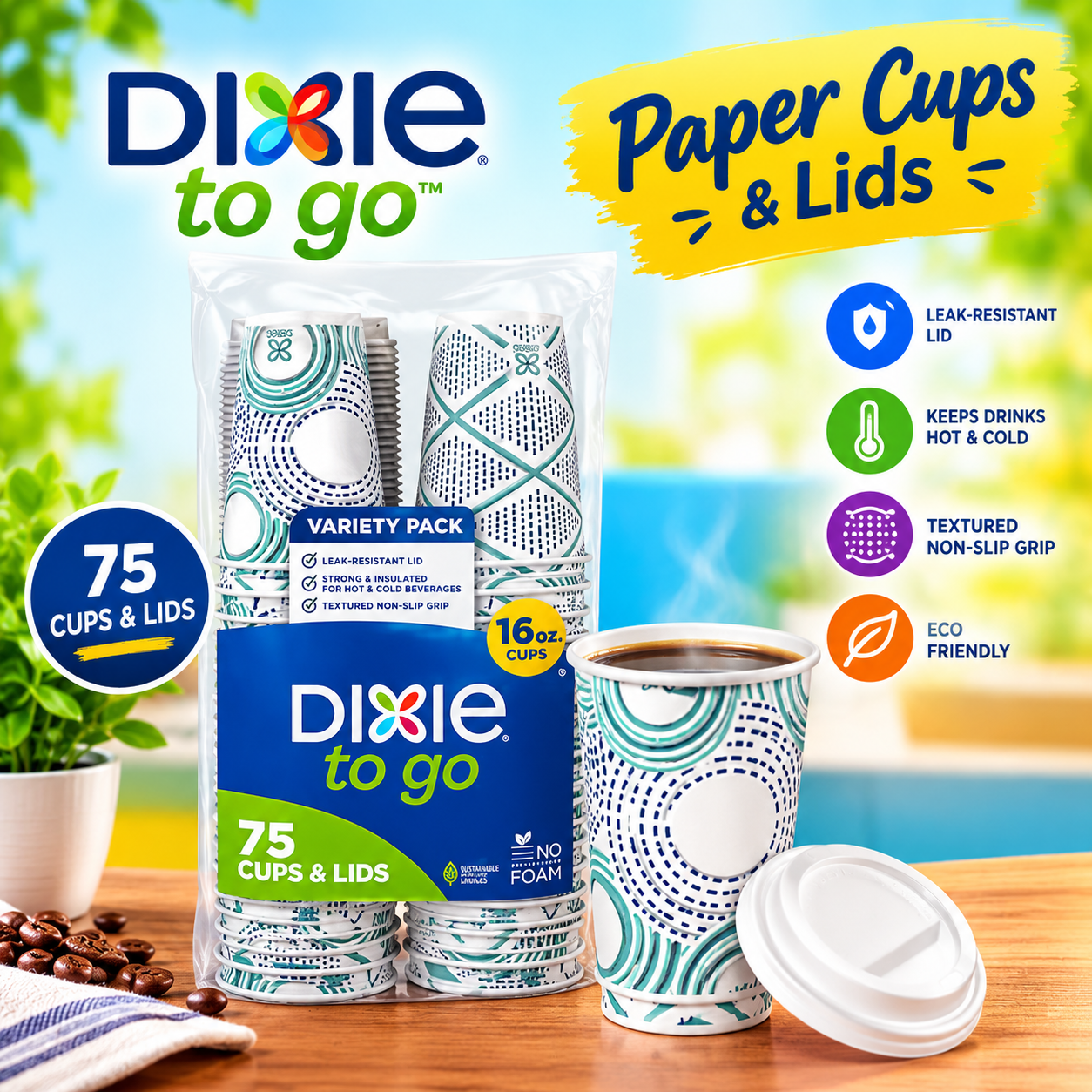
Plan the drinks side early as well. A self-serve coffee and tea station after dinner is a wedding staple, and it runs on the same principles caterers use for cafés — our tips on choosing cups for a coffee station setup will help you match cup sizes and lids to your drinks service. Cold drinks usually call for clear plastic cups, which show off the drink and never clash with your color scheme.
Frequently Asked Questions
Can disposable plates really look elegant at a wedding?
Yes. Heavyweight coated paper plates and hard plastic plates with a clean rim look convincingly formal in white or ivory, especially alongside real linens and glassware. Most guests will not notice they are disposable until they clear their own place — which is rather the point.
How many extra plates should I buy beyond my guest count?
Add 10–15% across all sizes, and more dinner plates if you are serving a buffet. Extra plates also cover the rehearsal dinner, next-day brunch, and any vendors or helpers eating separately.
Which is better for hot, heavy food — paper or plastic?
Both work at event grade. Coated heavyweight paper handles heat and moderate weight well; hard plastic wins for very heavy portions, saucy dishes, and meals eaten standing up, where rigidity matters most.
Plates That Rise to the Occasion
The right plates let your menu shine and your cleanup crew go home early. Decide on paper or plastic, cover your three sizes, and order with a comfortable buffer. You can shop wedding-ready disposable plates and event essentials at Techlenze — with same-day or next-day delivery across the USA and free shipping on orders of $75 or more, even a last-week order arrives in time.
Related Guides
- Disposable paper plates buying guide
- Paper plates vs plastic plates
- Disposable party supplies checklist for hosts
