













News
Trash Bag Sizes Explained: 13 Gallon, 33 Gallon & Contractor Bags

Nov
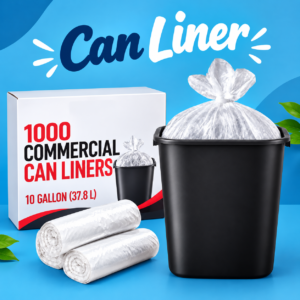
A trash bag that is too small tears or slips into the can; one that is too big bunches, wastes plastic, and still manages to leak. The fix is simply understanding trash bag sizes and matching them to your bin and your mess. This guide explains the common capacities you will see on shelves, what thickness actually means, and when a heavy-duty contractor bag is worth using instead of a standard kitchen bag.
The Most Common Trash Bag Sizes and Where They Fit
Capacity is measured in gallons, and standard sizes map closely to standard bins:
- 4 gallon: small bathroom, office, and bedroom bins. Also handy as liners for small wastebaskets and for pet waste cleanup.
- 8 gallon: medium bathroom and office cans, and small kitchen bins in tight spaces.
- 13 gallon: the standard tall kitchen can found in most homes. This is the size most households use daily, and the one to default to if you are unsure.
- 20 to 30 gallon: larger household cans, garage bins, and laundry or utility room use.
- 33 gallon: large trash cans, outdoor bins, and event cleanup where one bag must hold a lot.
- 39 to 45 gallon and up: lawn and leaf bags and the largest outdoor cans.
A quick measuring tip: a bag should be a little wider than your can’s opening and long enough to fold over the rim with a few inches to spare. If bags keep sliding down into the can, the width is too small; if you always have a large wad of extra plastic at the top, you can probably size down.
Thickness Explained: What “Mil” Means
Beyond capacity, thickness decides how much abuse a bag can take. Thickness is measured in mils (one mil is a thousandth of an inch) or described as low-density versus high-density film. Thin, high-density bags are fine for office paper, bathroom tissues, and light dry waste. Thicker low-density bags stretch rather than puncture, which makes them better for kitchen waste, sharp packaging edges, and anything heavy or awkward. As a general pattern, everyday kitchen bags are relatively thin, while bags marketed for yard work and cleanup are noticeably thicker. If you regularly deal with bag failures, moving up in thickness usually solves the problem more reliably than moving up in size.
Contractor Bags: When Standard Bags Are Not Enough
Contractor bags are the heavy-duty end of the range — typically large capacities around 42 gallons, made from thick film, and built for renovation debris, yard cleanup, moving cleanouts, and event teardown. Use them when the load includes things that would shred a kitchen bag: broken-down boxes with stiff corners, sticks and trimmings, workshop waste, or the mixed heavy trash from a garage clear-out. Brands such as Hefty and Glad both make everyday kitchen bags as well as heavier options for bigger jobs, and keeping one box of contractor bags in the garage covers the handful of times a year when nothing else will do. Drawstring versus flap ties is a smaller decision: drawstrings are convenient for kitchen bags you carry through the house, while plain or flap-tie bags are common in large sizes.
Matching Trash Bag Sizes to Real Life
For most homes, a two-bag system is enough: 13 gallon bags for the kitchen and a supply of small 4 gallon liners for bathrooms, plus a box of large, thick bags for the garage and yard. Offices usually mirror that pattern with small desk-side liners and one large bag for the shared kitchen or copy room. For parties and events, step up to 33 gallon bags in your main bins — guests generate bulky, lightweight trash like cups and plates that fills a kitchen bag surprisingly fast. And if a bag tears on the way out, double-bagging the replacement for that one heavy load is cheaper than upgrading every bag you own.
Trash Bag FAQs
Will a 13 gallon bag fit any kitchen can? It fits most standard tall kitchen cans. If your can is a wide or designer shape, compare the bag’s width to the can’s opening — width, not just gallons, decides the fit.
What size bag do I need for yard leaves? Large lawn and leaf bags, commonly 39 gallons and up, or contractor bags for mixed yard debris with sticks and heavier material.
Why do my bags leak even when they do not tear? Thin bags can seep through tiny punctures from sharp food packaging or bones. A thicker bag, and letting hot or sharp waste cool or get wrapped first, usually fixes it.
Getting trash bag sizes right is a small change that removes a daily annoyance. Shop kitchen, large, and contractor options in our trash bags collection — Techlenze delivers across the USA with same-day or next-day delivery options and free shipping on orders over $75.
Related Guides
