













News
Restaurant Trash Bags and Can Liners: Kitchen, Dining and Back of House

Nov
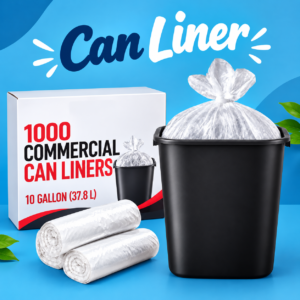
The right restaurant trash bags keep a food business clean, safe and fast: liners that fit the bin, hold heavy wet waste without splitting, and change quickly between services. Waste is the least glamorous part of running a restaurant, but it touches every zone — kitchen, dining room, restrooms and back of house — and a liner failure at the wrong moment can shut down a station. This guide covers how to choose trash bags and can liners for each zone, and how to size them so they never split or overflow.
Every restaurant produces a surprising amount of waste in a single service: food scraps, packaging, napkins, broken disposables, restroom waste and cardboard. Each zone produces different waste, and each needs a different liner. One bag size for the whole building is a false economy. For the full food-service picture, see the complete disposable supplies for restaurants, cafés and food trucks guide.
Kitchen Liners: Heavy Waste Needs Heavy Bags
Kitchen bins take the hardest waste: wet food scraps, heavy containers, sharp bones and cans, and liquids that pool at the bottom. Kitchen liners need strength above all, with enough thickness to hold a full bin without tearing when it is lifted out. A liner that splits on the way to the dumpster spreads waste across the floor and costs far more time than the bag saved.
Size the liner to the bin, with enough overhang to fold over the rim so it stays put. Keep a roll of liners beside each kitchen bin so a change takes seconds, and change liners on a schedule — after each service, not when the bin overflows. For more on choosing liners generally, see our guide to can liners for offices, which covers the same sizing basics.
Dining Room and Front-of-House Bins
Dining room bins hold lighter waste — napkins, straws, cups and food leftovers — but they are the bins guests see. Liners here should be clean, neat and discreet, and bins should be emptied before they overflow or smell. A visible overflowing bin is one of the fastest ways to lose a customer’s appetite.
Place bins where staff can reach them without crossing the dining room, and keep spare liners nearby so a change is quick and quiet. Small bins near the pass and the bar catch the waste staff generate during service, and they need liners that fit snugly so they do not slip down inside the bin. Our paper towels and napkins guide covers the other front-of-house consumable that fills these bins.
Back-of-House, Restrooms and Recycling
Back of house covers the receiving area, storage rooms and staff areas, where waste is mostly packaging: cardboard, plastic wrap, broken boxes and delivery materials. These bins need larger liners and a clear routine for breaking down cardboard before it goes in, so bins do not fill with air.
Restroom bins need smaller liners changed often, and they should be opaque and tidy. Keep a separate routine for them, because a restroom bin that overflows is a guest complaint waiting to happen. Recycling bins need their own liners and clear labels so staff sort glass, plastic and cardboard correctly instead of mixing everything into the trash. The foil, wrap and parchment guide covers the packaging waste that fills back-of-house bins.
How Do You Size Restaurant Trash Bags Correctly?
Sizing a trash bag is simple once you know the trick: measure the bin’s height, width and depth, and choose a bag that is at least a few inches taller than the bin so it folds over the rim. A bag that is too small slips inside and tears; a bag far too large wastes material and bunches up at the bottom.
Strength matters as much as size. Heavy kitchen waste needs a thicker bag, while light dining-room waste can use a standard one. Buy trusted brands such as Hefty and Glad, whose bags are made for this work, and test a new bag with a full, wet load before ordering in bulk.
Frequently Asked Questions
How often should restaurant trash bags be changed?
Kitchen bins should be changed after every service, dining room bins whenever they are half full, and restroom bins at least once a day. Never let a bin overflow — it creates mess, smell and extra work.
What size trash bag fits a standard restaurant kitchen bin?
It depends on the bin, so measure height, width and depth first. Choose a bag a few inches taller than the bin so it folds over the rim, and test one bag with a full load before ordering in bulk.
Can one type of trash bag serve the whole restaurant?
No — kitchen waste is heavy and wet, dining room waste is light, and restroom waste needs frequent small changes. Using the right liner for each zone costs less in the long run than cleaning up after failures.
Keep every zone clean with liners that fit and hold. Stock up from the trash bags and can liner collections in the Techlenze shop, with same-day or very next-day delivery across the USA and free shipping on orders of $75 or more.
