






News
Aluminum Foil for Restaurants: Wrap, Parchment and Kitchen Foil
Nov
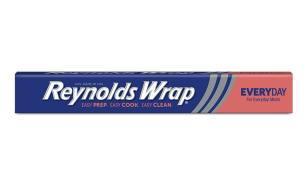
Good aluminum foil for restaurants is a kitchen workhorse: it wraps sandwiches, covers pans, lines trays, holds heat on a plate waiting for pickup, and seals leftovers for storage. Along with plastic wrap and parchment, it is one of the three coverings every restaurant kitchen reaches for dozens of times a day. This guide covers when to use foil, when wrap or parchment works better, and how to keep all three stocked and within reach.
Foil, wrap and parchment look interchangeable on the shelf, but they do different jobs and swapping them carelessly causes problems. Foil holds heat and blocks light and air. Plastic wrap clings and seals cold food. Parchment stands up to oven heat without sticking. Knowing which to grab saves food, time and frustration. For the full food-service picture, see the complete disposable supplies for restaurants, cafés and food trucks guide.
What Is Aluminum Foil for Restaurants Best For?
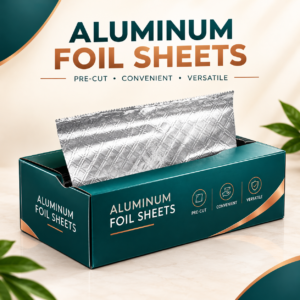
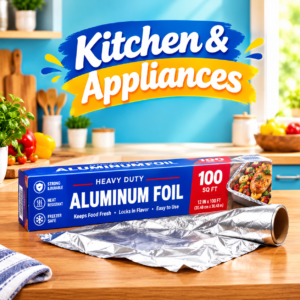
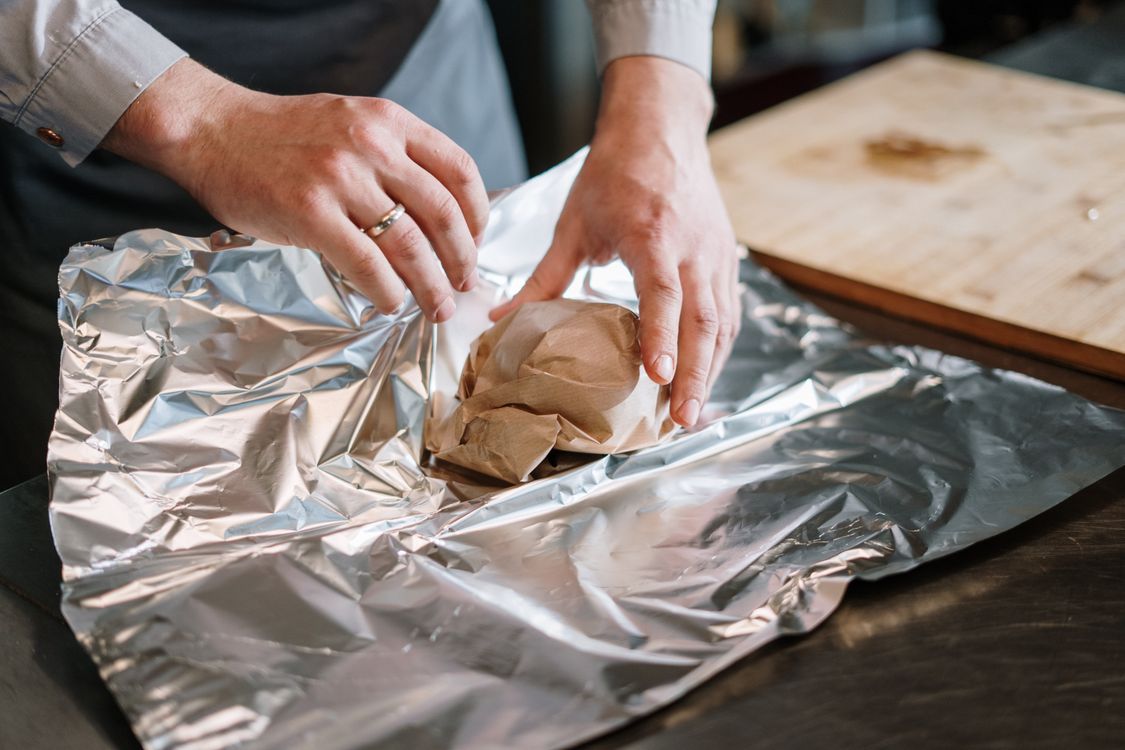
Foil’s strength is heat and sealing. It wraps hot sandwiches and burritos so they stay warm on the way to a table or out the door, covers trays and pans in the oven, and seals containers of hot food for holding. It also lines sheet pans and grills, which makes cleanup faster at the end of a long service.
Use heavy-duty foil where the job is demanding: wrapping large cuts, covering full pans, or lining a grill. Standard foil suits lighter jobs such as wrapping a single sandwich or covering a small dish. Keep both on hand if your menu needs them, and keep the foil box at the packing station where staff wrap orders all day. For a full comparison with parchment, see our guide to parchment paper vs aluminum foil.
When Should You Use Plastic Wrap Instead?
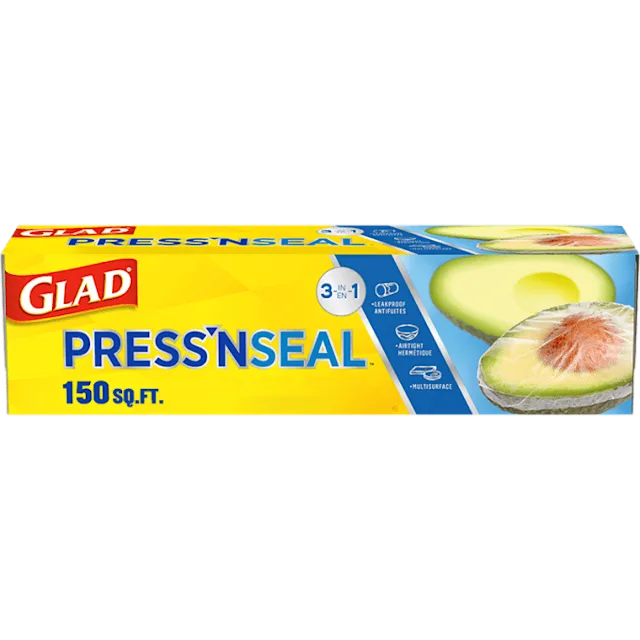
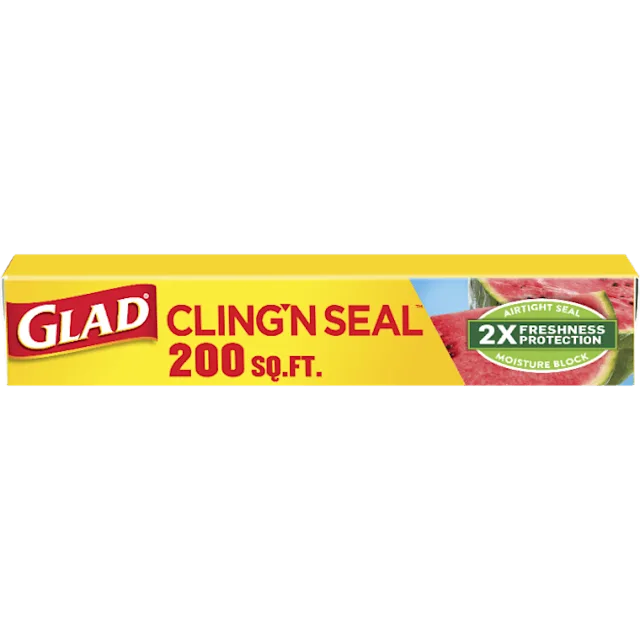
Plastic wrap is the right choice for cold food and storage. It clings tightly around bowls, plates and containers, sealing in freshness and keeping odors from spreading in the fridge. It is also the best way to wrap cold sandwiches, salads and prepped ingredients that need to stay visible and airtight.
Wrap is not for hot food or the oven — heat melts it and ruins the seal. Use it for prep: covering mise en place, wrapping dough, sealing containers of cut vegetables, and protecting food that will be served cold. Keep the wrap box beside the foil at the prep station so staff can choose the right covering without walking across the kitchen. For buffet lines, foil also covers chafing dishes and trays — see our chafing fuel and buffet service guide for how hot holding works.
Parchment Paper in the Restaurant Kitchen
Parchment is the oven-safe covering. It lines sheet pans and baking trays so food releases cleanly, wraps food for steaming or roasting, and separates layers of baked goods in storage. Unlike foil, it does not react with acidic foods such as tomato or citrus, so it is the safer choice for those dishes.
Parchment also works as a divider: between burger patties, between layers of cookies, or under a cake in a pan. Keep a roll or a stack of sheets near the oven and the baking station, and train staff that parchment goes in the oven while plastic wrap never does. The restaurant restroom supplies guide is unrelated to cooking, but it shows the same stocking discipline applied to another part of the building.
Keeping Foil, Wrap and Parchment Stocked and Organized
These three items run out quietly and cause chaos when they do. A cook who reaches for foil mid-service and finds an empty box loses minutes that the whole line feels. Keep a simple rule: a spare box of each lives beside the one in use, and the spare is replaced the moment it is opened.
Store boxes at the stations where they are used: foil and wrap at the packing and prep stations, parchment at the oven. Buy trusted brands such as Reynolds, whose foil and parchment are made for heavy kitchen use, and keep the same sizes each time so staff never have to relearn a box. Check levels at the end of each service and add foil, wrap and parchment to the same reorder list as plates and cups.
Frequently Asked Questions
Can aluminum foil go in the oven?
Yes, foil is oven-safe and is used to cover pans, wrap food and line trays. Keep it away from direct contact with heating elements, and do not use it to line the bottom of the oven itself.
Should I wrap hot sandwiches in foil or plastic wrap?
Foil is better for hot sandwiches because it holds heat, keeps its shape and does not melt. Plastic wrap is for cold food and storage, where its tight clinging seal matters most.
What is the difference between foil and parchment paper?
Foil blocks heat, light and air and is best for wrapping and covering hot food. Parchment is non-stick and oven-safe, so it is best for lining pans, baking and wrapping food for the oven.
Wrap, cover and hold with the right covering every time. Stock up from the aluminum foil and food wrap collections in the Techlenze shop, with same-day or very next-day delivery across the USA and free shipping on orders of $75 or more.
