








News
Food Truck Disposable Cutlery and Condiment Kits for Takeout
Nov
Good food truck disposable cutlery is sturdy enough to cut real food, light enough to pack by the hundred, and always ready in a kit with napkins and condiments so no order leaves the window incomplete. On a truck, where space is tight and the line moves fast, a pre-packed kit is the difference between smooth service and a scramble for a missing fork. This guide covers what goes in a kit, how to choose cutlery that holds up, and how to keep kits stocked through a busy shift.
Food trucks live or die on speed and consistency. Customers eat standing up, in cars, or on benches, often with no table at all, so the cutlery has to work in one hand and survive the first bite. A fork that snaps or a knife that cannot cut a piece of chicken turns a good meal into a complaint. For the full food-service picture, see the complete disposable supplies for restaurants, cafés and food trucks guide.
What Goes in a Food Truck Disposable Cutlery Kit?
A standard kit has four parts: a fork, a knife and a spoon, a napkin, and the condiments your menu needs, all in a small sealed bag or wrap. The bag keeps the kit clean, stops pieces going missing, and lets staff grab one kit per order without thinking. Some trucks add a wet wipe or a toothpick for messy menus, but keep the kit focused — every extra item is something to stock, pack and pay for.
Build the kit around your menu. A taco truck needs mostly forks and napkins. A truck serving rice bowls needs spoons as well. A barbecue truck needs a proper knife. Match the kit to what customers actually use, and do not pack items nobody asks for. For more on choosing cutlery generally, see our disposable cutlery for restaurants guide.
How Do You Choose Cutlery That Holds Up?
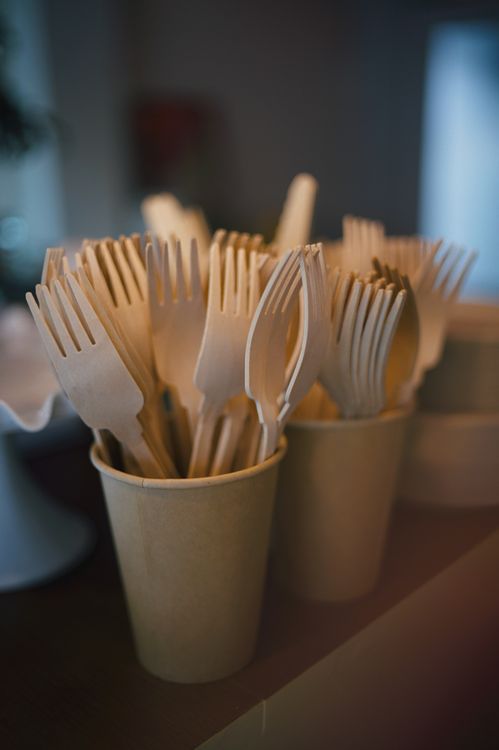
Sturdy cutlery starts with weight and material. Heavier disposable forks, knives and spoons resist bending and snapping, and a good knife edge actually cuts instead of tearing. Test cutlery with your toughest menu item before ordering in bulk: if it handles that, it will handle everything else.
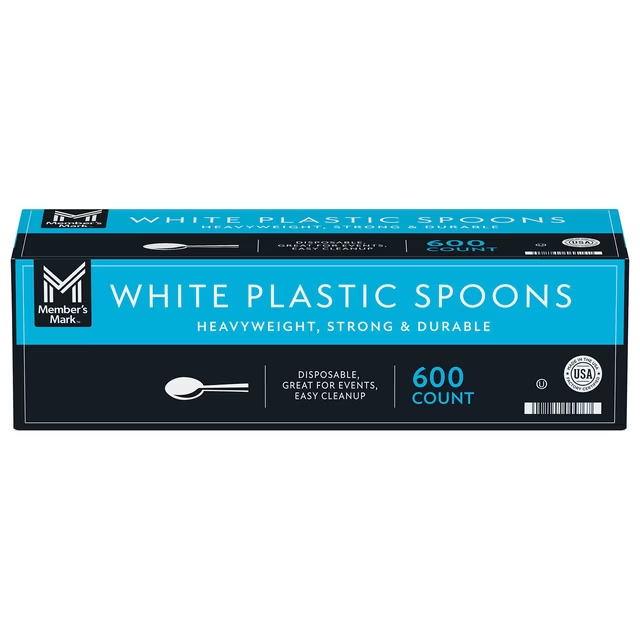
Buy full sets rather than mixed odds and ends, and keep fork, knife and spoon stocks balanced so you never run out of one piece while others pile up. Trusted brands such as Member’s Mark, Hefty, Dixie and Chinet offer consistent quality, which matters when you reorder the same items week after week. Our restaurant trash bags guide covers the other back-of-truck essential, keeping waste under control in a small space.
Condiments, Napkins and the Rest of the Kit
Condiments should match the menu and the customer. Salt, pepper, ketchup, hot sauce and sugar packets cover most orders, and a small cup of sauce beats a sachet for dishes that need a lot of it. Keep condiments in a caddy near the packing station so staff can top up kits quickly.
Napkins deserve more thought than they usually get. A single thin napkin is never enough for saucy food, so pack two per kit for messy menus, and keep a stack on the counter for customers who want more. Packing kits in advance during quiet moments — a box of fifty ready kits — turns the lunch rush into a grab-and-go routine instead of a packing job.
Packing Kits in a Tiny Truck Kitchen
Space is the truck’s hardest limit, so kits must earn their shelf. Pre-packed kits stack neatly in a single tub, while loose cutlery, napkins and condiments spread across every surface. Keep one tub of finished kits at the serving window and a backup tub in storage, and refill the window tub before each service rather than during it.
Count kits per service: one per order, plus a few extra for customers who ask for a second set. At the end of the shift, count what is left and top up for tomorrow. That simple routine stops the most common truck problem — discovering at noon that the kits ran out at eleven. The paper towels and napkins guide has more on napkin stock for front-of-house service.
Frequently Asked Questions
How many cutlery kits should a food truck prepare per service?
Prepare one kit per expected order, plus a small buffer for extra requests. Pre-packing kits before service starts keeps the line moving and makes the count easy to track.
Should cutlery kits be sealed in a bag?
Yes, a sealed bag keeps the kit clean and complete, and it looks more professional than loose pieces. It also stops cutlery picking up dust or moisture in a truck kitchen.
What condiments should every food truck kit include?
Salt, pepper and the sauce your menu is known for cover most orders. Add ketchup, hot sauce or sugar where your dishes call for them, and skip condiments nobody uses.
Keep every order complete with kits that are ready to grab. Stock sturdy cutlery and napkins from the plastic forks and plastic spoons collections in the Techlenze shop, with same-day or very next-day delivery across the USA and free shipping on orders of $75 or more.
