






News
Disposable Cups for Cafes: Hot Cups, Cold Cups and Lids That Don’t Leak
Nov
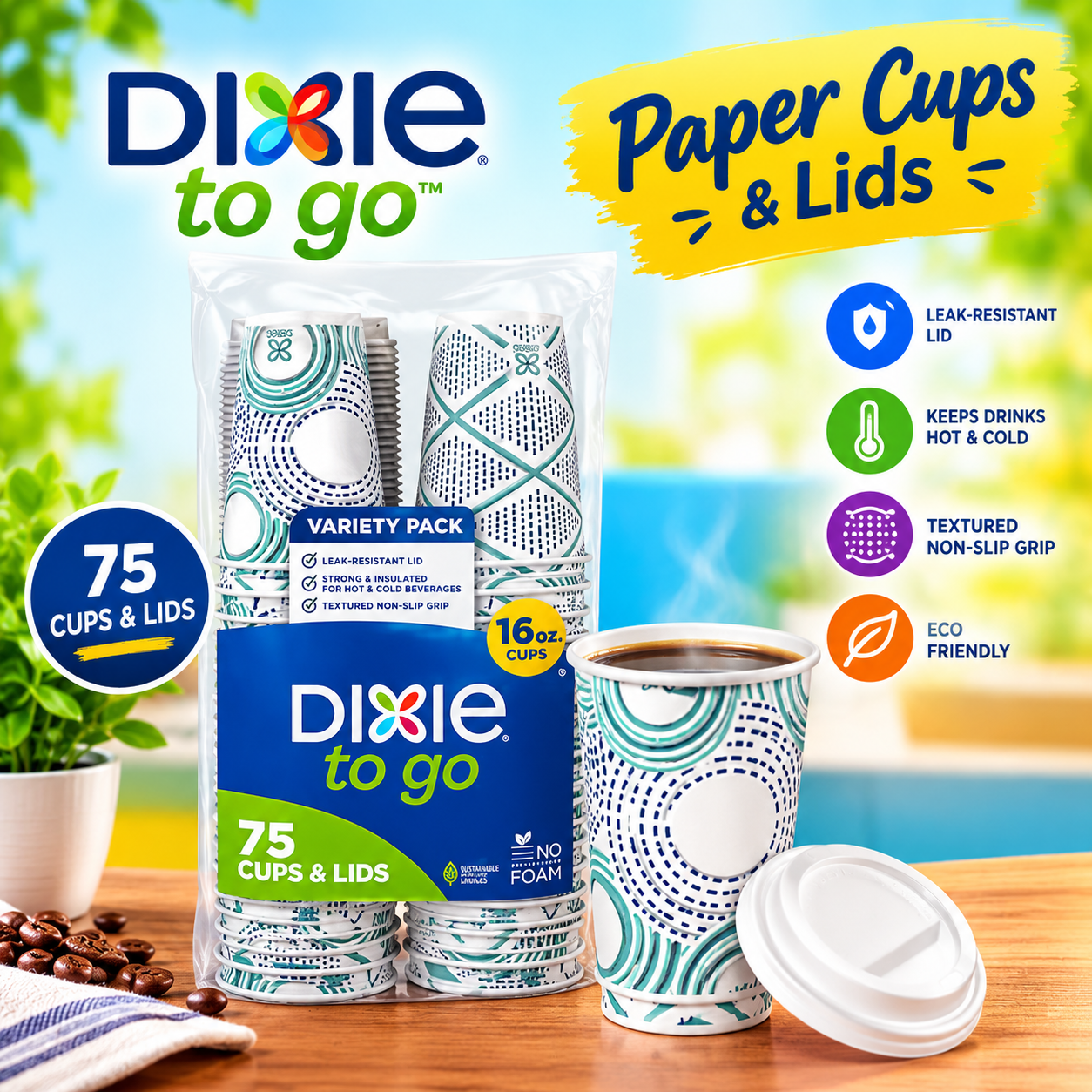
The right disposable cups for cafes are the ones customers never have to think about: hot cups that stay comfortable to hold, cold cups that stay rigid and clear, and lids that seal so a drink survives the walk to the office. Cups are the single most-used item in most cafés, so getting them right shapes the whole customer experience. This guide covers hot cups, cold cups and lids, and how to choose the sizes and stock levels a busy counter needs.
A café can serve a hundred drinks before lunch, and every one of them rides in a disposable cup. A cup that is too flimsy burns fingers, a lid that pops off ruins a shirt, and a cold cup that cracks wastes a drink and a sale. Good cups are a quiet part of the café’s reputation. For the full food-service picture, see the complete disposable supplies for restaurants, cafés and food trucks guide.
Hot Cups: What Keeps Coffee Comfortable to Hold?
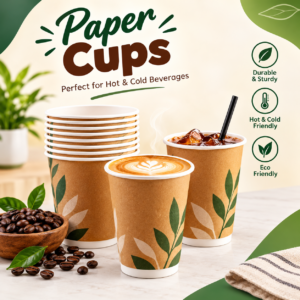
Hot cups need insulation. A single thin cup transfers heat straight to the customer’s hand, so most cafés use insulated or double-wall hot cups, or a sleeve over a standard cup. Whichever route you choose, test it with your hottest drinks: the cup should feel warm, never painful, even after a few minutes.
Lids matter as much as the cup. A good hot lid sips cleanly, snaps on firmly and stays on when the cup tips. Keep lids matched to your cup sizes — a lid that almost fits is worse than no lid at all — and store them beside the cups so staff never have to hunt for them mid-rush. For more on choosing cups generally, see our guide to choosing disposable cups for coffee shops, offices and break rooms.
Cold Cups: Clear, Rigid and Ready for Ice
Cold cups have a different job. Customers want to see an iced coffee, lemonade or smoothie, so clear plastic cups are the standard, and they need to stay rigid when filled with ice and a heavy drink. A cup that flexes or cracks wastes product and slows the line.
Match the cup to the drink: smaller cups for iced coffee and juice, larger ones for smoothies and big iced teas. Flat lids suit drinks with a straw, while dome lids suit whipped or layered drinks. Keep straws and stirrers beside the cold station, and keep a spare sleeve of each size visible so a run on one size never stalls service.
How Do You Choose Disposable Cups for Cafes?
Most cafés do well with three sizes: a small for a quick espresso or kids’ drink, a medium that covers the standard coffee or tea, and a large for iced drinks and customers who want more. Three sizes keep ordering simple and cover nearly every order without a shelf full of odd sizes.
Track which size sells most and stock accordingly. The medium will usually lead, with large close behind in summer when iced drinks surge. Reorder when you hit your par level for each size, not when the shelf is empty. For the waste side of a busy counter, the restaurant trash bags and can liners guide covers bin liners for kitchen and front of house, and the food truck cutlery kits guide covers the napkins and stirrers that complete a to-go drink.
Lids, Sleeves and the Small Extras That Stop Leaks
Leaks usually come from the small parts, not the cup. A lid that does not match the cup rim, a sleeve that slides off, or a missing stirrer can all spoil a drink. Keep lids, sleeves, stirrers, sugar and napkins in one tidy station so staff can build a drink in seconds without searching.
Label the station clearly and train new staff on which lid goes with which cup. A five-second check — lid pressed down all the way around, sleeve on straight — saves the cost of a spilled drink and a stained shirt. Keep a small stock of carriers for customers ordering three or four drinks at once.
Frequently Asked Questions
How many cup sizes does a small café need?
Three sizes cover most cafés: small, medium and large. That range handles espresso, standard coffee and tea, and large iced drinks, while keeping ordering and storage simple.
Why do my hot cup lids keep popping off?
The lid is usually the wrong size for the cup, or it is not pressed down all the way around the rim. Match lids to cup sizes exactly, and press each lid down firmly before handing the drink over.
Are sleeves necessary for hot cups?
They help a lot with single-wall cups, but insulated or double-wall cups often do not need them. If customers complain about heat, add sleeves before switching cup types — it is the cheaper fix.
Serve every drink in a cup that holds up. Stock hot and cold cups, lids and sleeves from the paper cups and plastic cups collections in the Techlenze shop, with same-day or very next-day delivery across the USA and free shipping on orders of $75 or more.
