






News
Restaurant Takeout Packaging: Bowls, Bags and Wrap That Travel Well
Nov
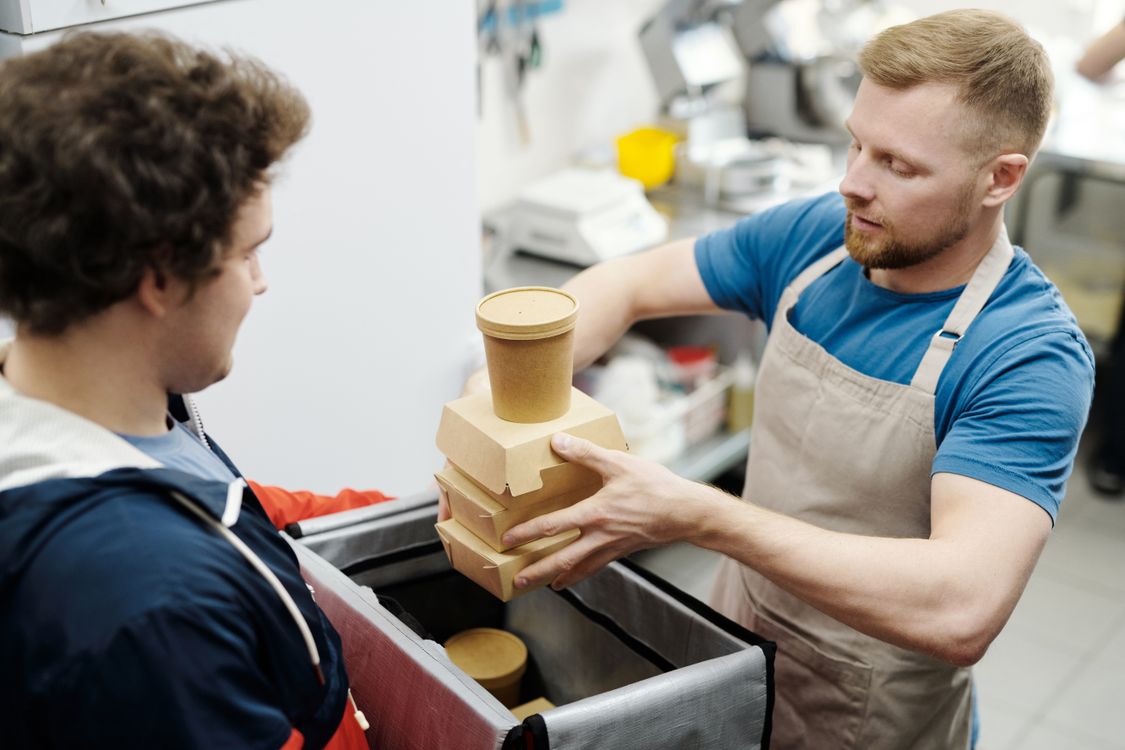
Good restaurant takeout packaging does one job above all: it gets food from your kitchen to the customer’s table still hot, intact and appetizing. The best bowls, bags and wrap hold up to steam, sauce and bumps in transit, so the meal a customer opens tastes like the meal you sent out. This guide covers how to choose takeout packaging for hot and cold orders, and how to pack it so it travels well.
Takeout has become a core part of most restaurants, not a side line. A customer who orders once and receives a soggy, leaking bag may never order again, while a customer whose food arrives neat and hot becomes a regular. Packaging is therefore part of the food itself, and it deserves the same care as the cooking. For the full food-service picture, see the complete disposable supplies for restaurants, cafés and food trucks guide.
What Makes Restaurant Takeout Packaging Travel Well?
Packaging travels well when it resists the three enemies of takeout: steam, sauce and movement. Steam softens weak containers and makes fried food go limp. Sauce finds every gap and seam. Movement in a car or on a bike shakes loose lids and sloshes liquids. The right container fights all three.
Choose bowls and containers with lids that seal firmly, and match the container to the food. Soups and curries need leak-resistant bowls with tight lids. Fried food needs containers that vent a little steam so it stays crisp. Salads need rigid bowls that do not crush under a bag of other items. When in doubt, test a container with your actual dishes before committing to a bulk order.
Bowls, Bags and Wrap: Picking the Right Combination
Bowls are the workhorse of takeout for anything with sauce or broth. Sturdy disposable bowls hold hot soup, pasta, rice dishes and salads without bending or leaking, and a matching lid keeps heat in and spills out. Keep two or three bowl sizes on hand so small sides do not swim in large bowls and large mains are not crammed into small ones.
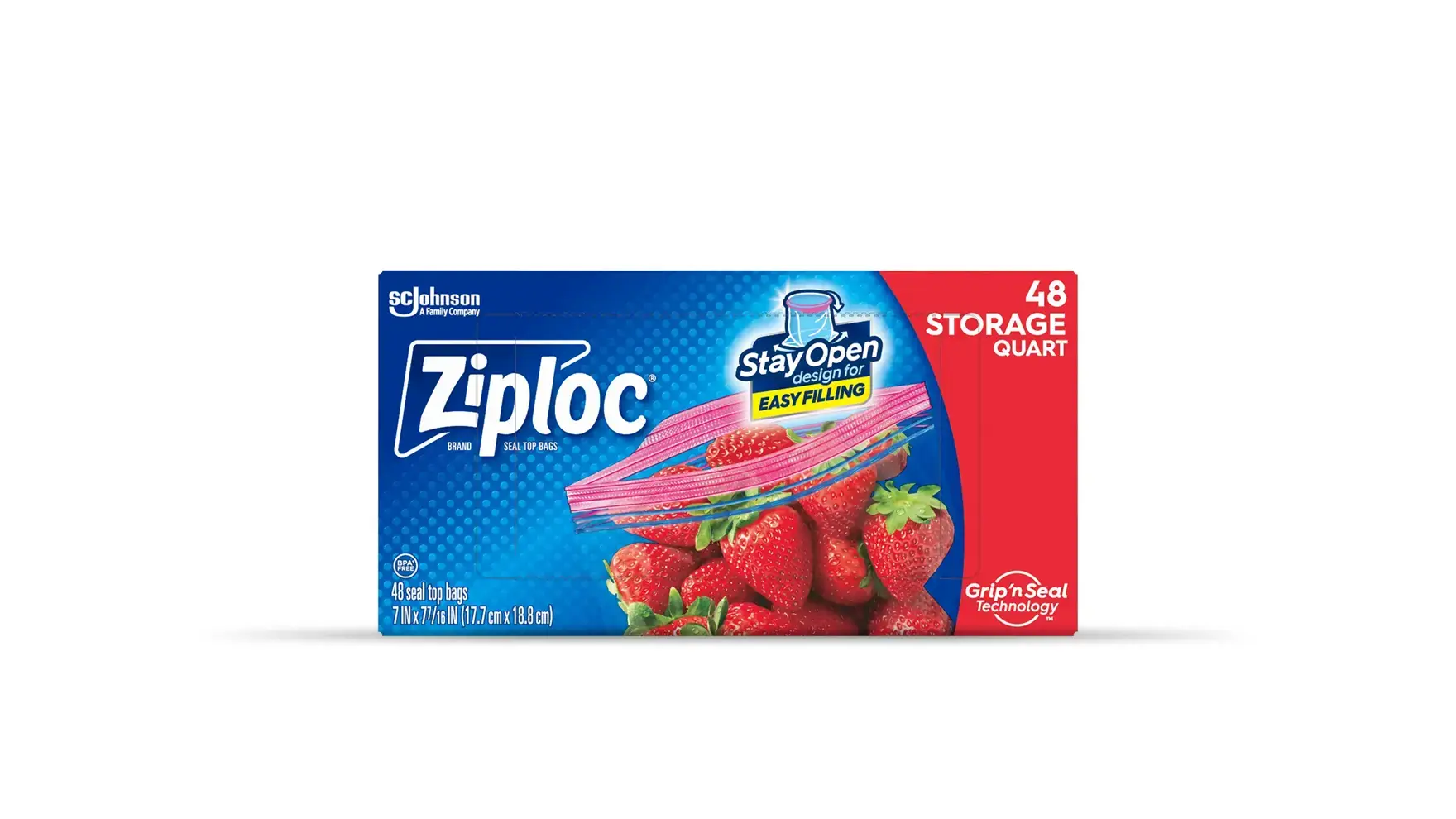
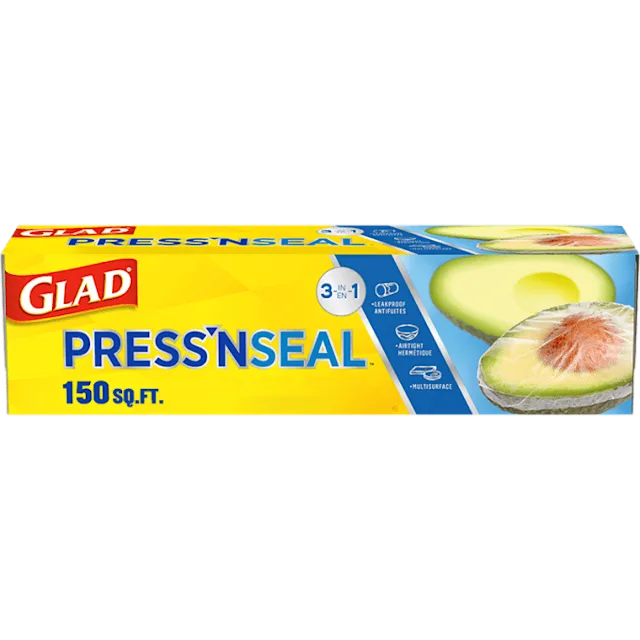
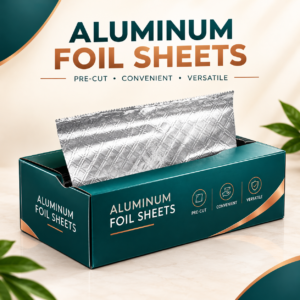
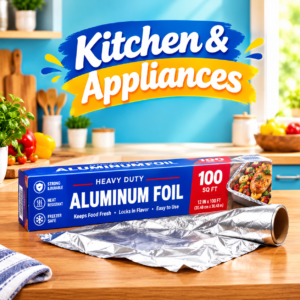
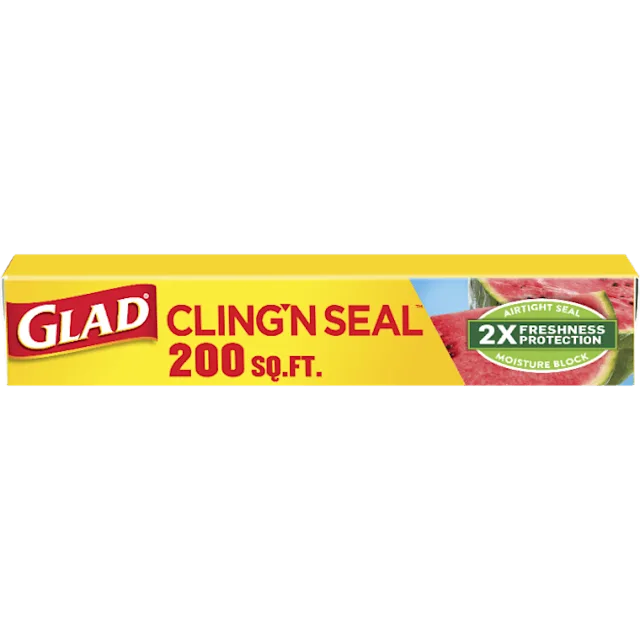
Bags carry everything else. Strong paper or plastic bags with handles make orders easy to carry, and a bag that fits the order snugly stops containers sliding around. Add food wrap or aluminum foil inside the bag for items that need an extra layer: foil keeps hot sandwiches and burritos warm, while wrap protects cold items and keeps dressings separate until the customer is ready to eat. For more on bowls specifically, see our disposable bowls guide.
How Should You Pack a Takeout Order?
Pack in the order the customer will unpack. Heavy, stable containers go at the bottom of the bag, lighter items on top, and sauces and dressings in their own sealed containers or bags so a leak cannot ruin the whole order. Hot and cold items should be separated where possible, so a hot main does not wilt a cold salad.
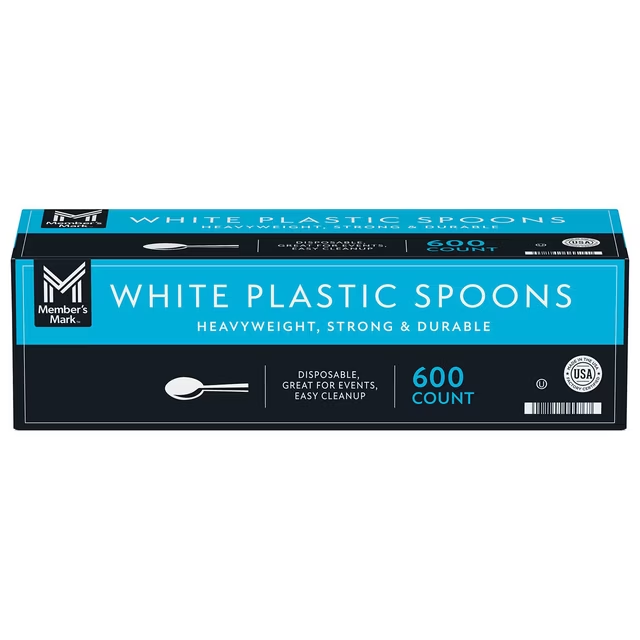
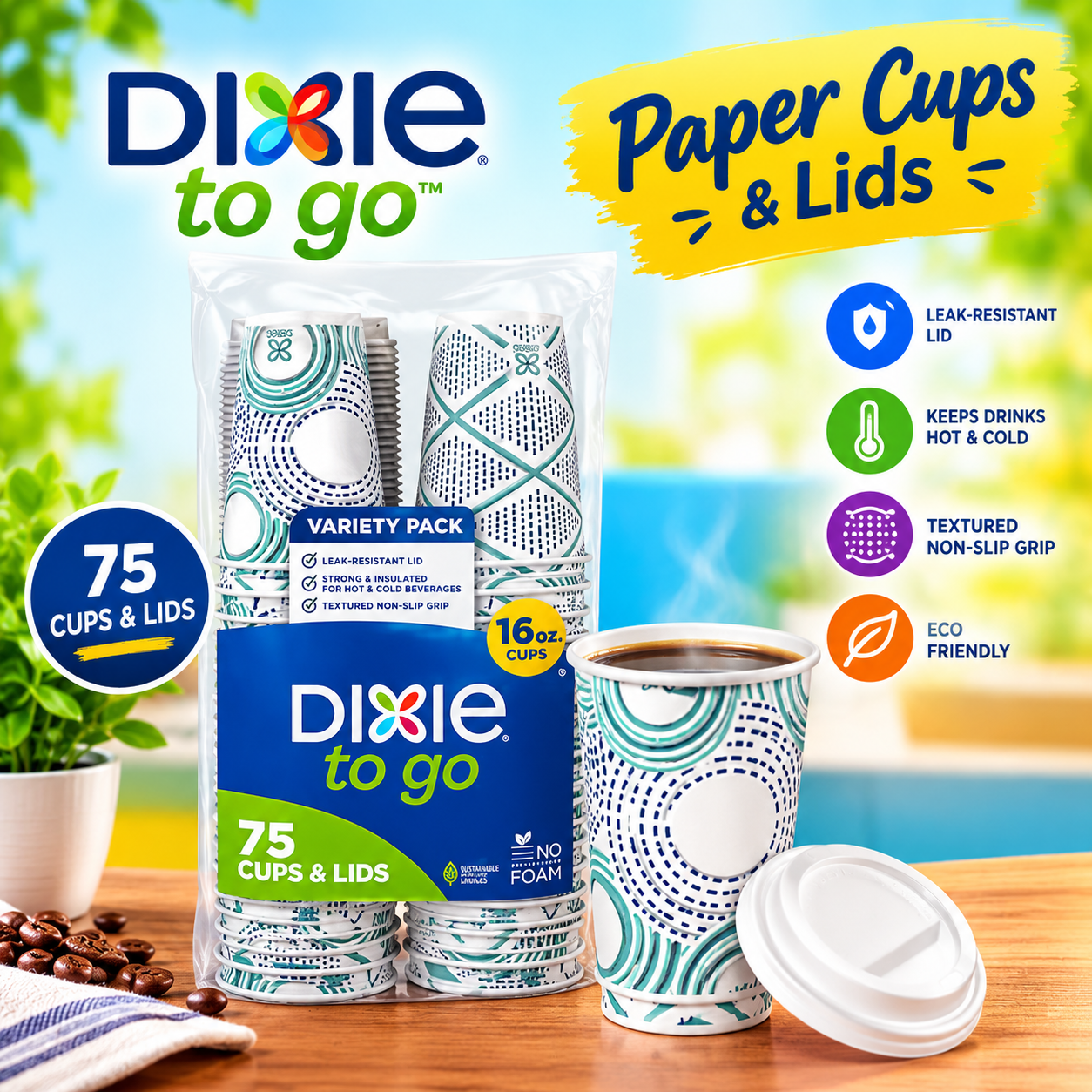
Add the small things customers forget to ask for but always need: napkins, a full cutlery set, and condiments. Our food truck cutlery and condiment kits guide shows how to build a kit that covers every order. Double-bag orders with soup or multiple drinks, and label bags clearly when an order has several parts. For drinks, see the café to-go cups guide for lids that do not leak in transit.
Hot Food vs Cold Food: Different Packaging Needs
Hot food needs packaging that holds heat without trapping so much steam that food turns soggy. Foil wrapping, vented lids and insulated bags help here. Keep hot orders bagged and ready for pickup quickly, because every minute on the pass cools the food and softens the container.
Cold food needs the opposite: rigid containers that keep salads crisp, dressings separate, and ice or chilled items away from anything warm. Wrap and foil can separate items inside a shared bag, and a sturdy bag stops cold drinks sweating through onto everything else. Planning both sides of the menu keeps every order arriving in good shape.
Frequently Asked Questions
What is the best container for soup to go?
A sturdy disposable bowl with a tight-fitting lid is best, packed upright in a bag with a flat base. Keep lids matched to the bowl size, and double-bag soup orders for extra protection against spills.
How do I keep fried food crisp in takeout packaging?
Use a container that vents a little steam, and avoid sealing fried food in airtight wrap. Pack it as close to pickup time as possible so it spends less time steaming in its own heat.
Should I use foil or wrap for takeout sandwiches?
Foil is usually better for hot sandwiches because it holds heat and keeps its shape, while wrap suits cold sandwiches and items you want to keep visible. Either way, wrap tightly so fillings do not slide out in transit.
Pack takeout that arrives the way it left your kitchen. Stock up on sturdy bowls, strong bags and reliable wrap from the bowls and food wrap collections in the Techlenze shop, with same-day or very next-day delivery across the USA and free shipping on orders of $75 or more.
