







News
Office & Workplace Disposable Essentials: The Complete Guide

Nov
Office disposable essentials are the everyday items that keep a workplace running smoothly: hot cups for the break room, plates and cutlery for team lunches, toilet paper and paper towels for the restrooms, trash bags for every bin, and food storage bags for packed lunches. When these basics are stocked in bulk and ordered on a steady schedule, nobody has to think about them — and that is exactly the point. This guide walks through every category an office needs, how to choose the right items, and how to keep them stocked without over-ordering or running out.
What Counts as Office Disposable Essentials?
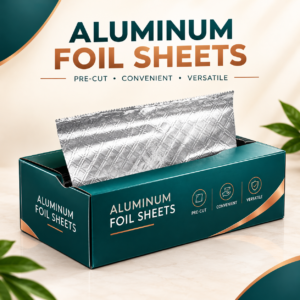
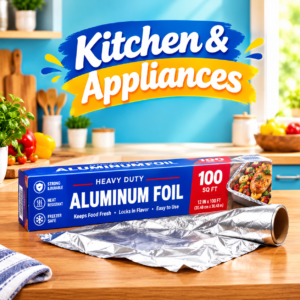
Office disposable essentials cover everything in the workplace that gets used once and thrown away. That includes break room items such as paper cups, plastic cups, plates, bowls, cutlery, napkins and stirrers; restroom supplies such as toilet paper and paper towels; cleaning and waste items such as trash bags and can liners; and food storage items such as zipper bags and food wrap. Offices also use disposable tableware for parties, meetings and events, plus parchment and foil in kitchens that prepare food on site.
The best way to think about it is by zone. The break room needs cups, plates, cutlery and napkins. The restrooms need toilet paper, paper towels and liners. Each desk area needs a small bin with the right liner. The kitchen needs paper towels, food storage bags and foil. Planning by zone makes it easy to build a checklist and spot gaps before they become complaints.
How Many Office Disposable Essentials Do You Need?
The right quantities depend on headcount, how many people eat lunch in the office, and how often the office hosts meetings or events. A simple starting point is one hot cup per employee per workday, plus extra cups for visitors and meeting rooms. Plates and cutlery follow lunch habits: if most staff bring lunch from home or order in, plan for one plate and one cutlery set per person per day, and keep a buffer for team lunches.
Restroom supplies are harder to estimate, so watch usage for two weeks and then set a reorder point. A good rule is to keep at least two weeks of toilet paper and paper towels on hand at all times, so a late delivery never leaves a restroom empty. Trash bags are easy to count: multiply the number of bins by how often each one is emptied each week, then add a margin for cleaning days and events. Ordering in bulk packs keeps the per-unit cost down and reduces how often someone has to place an order.
Choosing the Right Cups, Plates and Cutlery for the Office
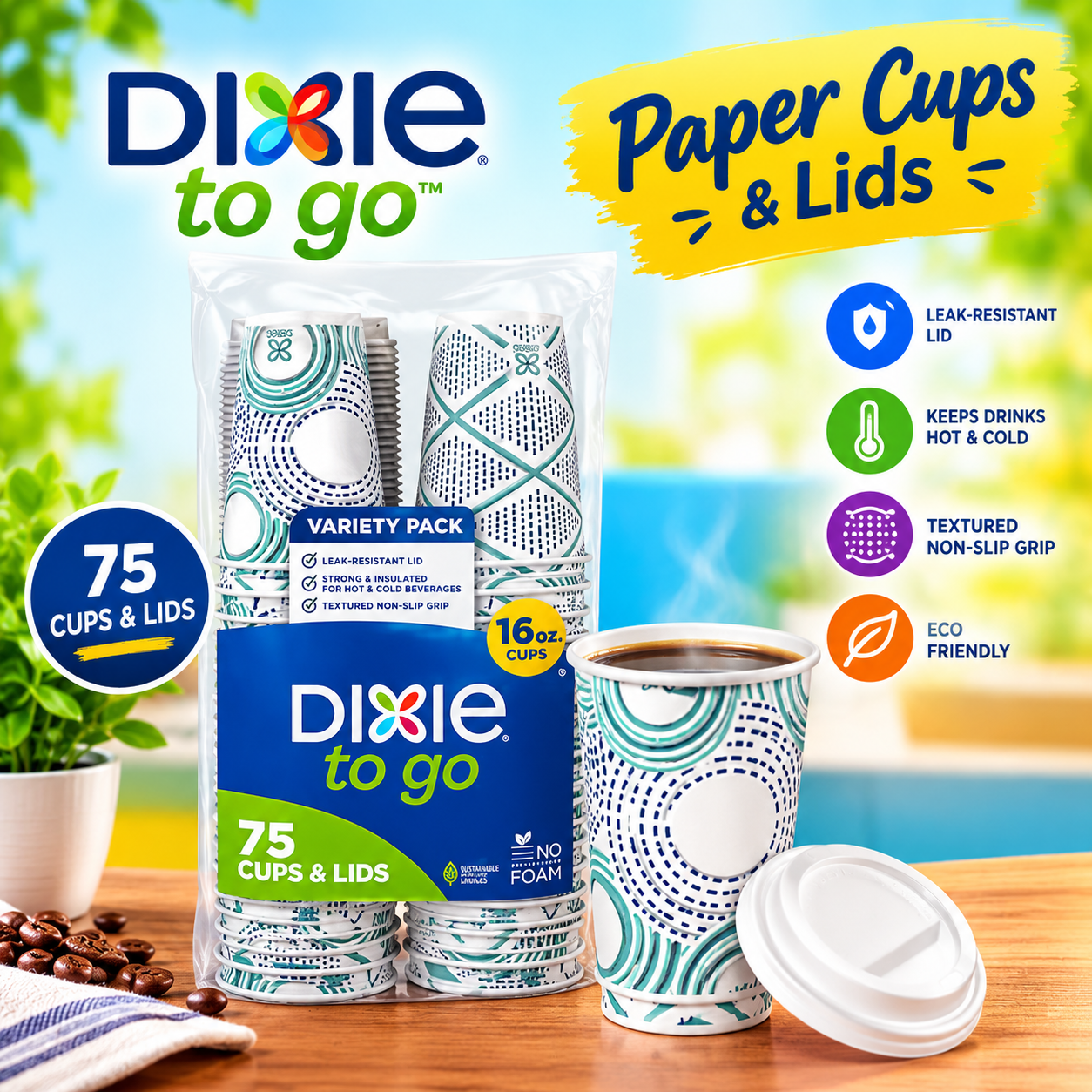
Break room cups are the most-used item in most offices, so they deserve a little thought. Hot cups should feel sturdy in the hand and hold up to a full cup of coffee without softening, and lids are worth stocking for anyone who carries coffee back to a desk. Cold cups work well for water, iced coffee and soft drinks. Keeping both on hand, plus stirrers and a few sleeves, covers the whole office. Our guide to office break room coffee cups covers sizes, lids and stirrers in detail.
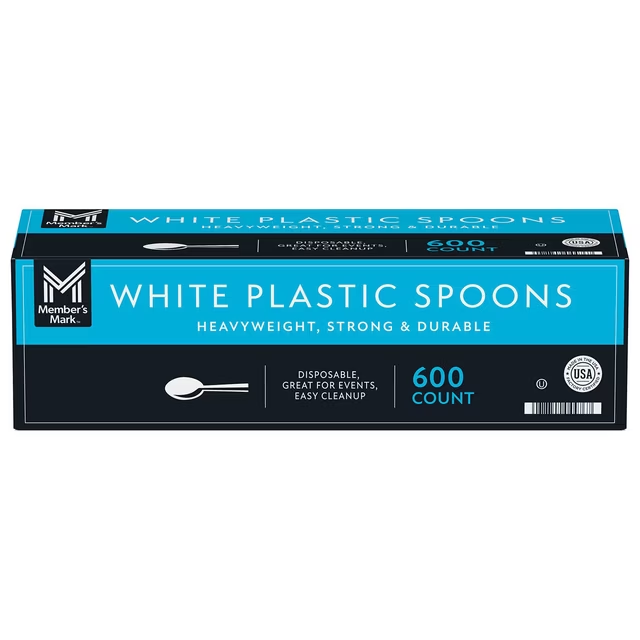
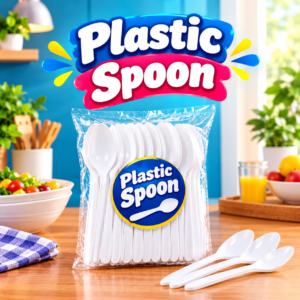
Plates come down to size and strength. Smaller plates suit snacks and meeting refreshments, while larger plates handle full lunches. Sturdy plates matter when food is hot or heavy, and bowls are a useful addition for soup, salad and cereal. For cutlery, a matched set of forks, spoons and knives covers most lunches; individually wrapped sets are handy for meetings and shared spaces. See disposable plates for office lunches and team meetings and disposable cutlery for the office for the full breakdown.
What Should You Stock in Office Restrooms and Kitchens?
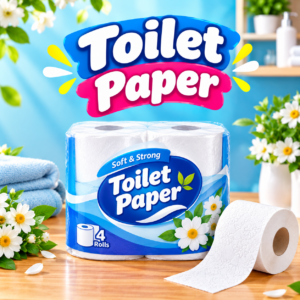
Restrooms are the place where low quality is noticed fastest. Thin toilet paper and rough paper towels generate complaints, while reliable, absorbent options simply disappear into the background. Stock toilet paper and paper towels from brands your staff already trust, and keep a spare supply in a nearby closet so restocking takes minutes, not a new order. Read office restroom supplies for a closer look at what employees actually notice.
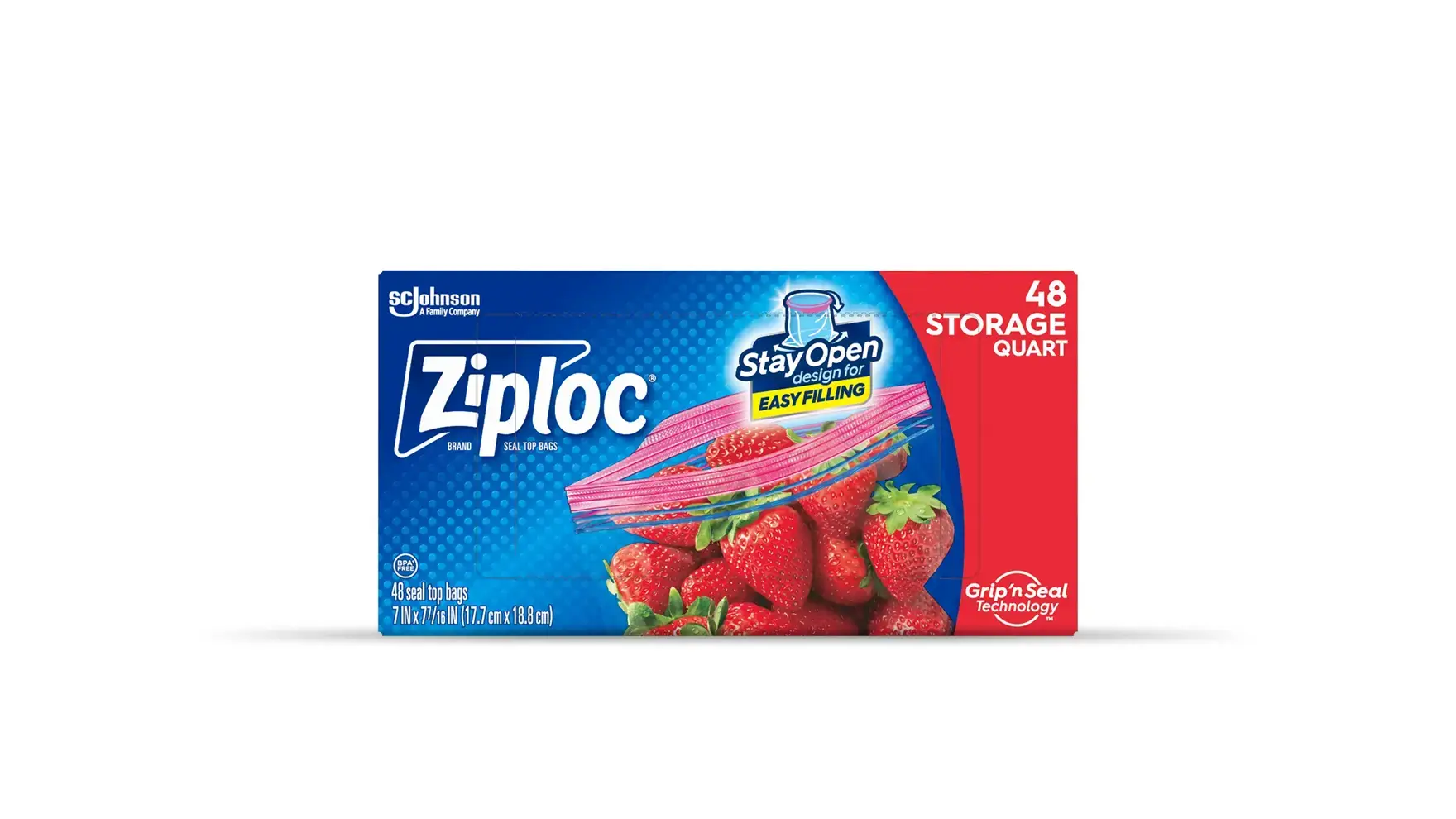
The office kitchen needs paper towels for spills and cleanup, napkins for meals, and food storage bags for anyone who brings lunch from home. Paper towels and napkins for the office kitchen explains how to split the two jobs so neither runs short. Food storage bags in sandwich, quart and gallon sizes cover packed lunches and meal prep, as covered in food storage bags for office lunches and meal prep.
How Do Desk-Side Trash and Recycling Work in an Office?
Every desk needs a small bin, and every bin needs the right liner. Liners that are too small tear; liners that are too large bunch up and waste material. Match the liner to the bin size, and keep a roll near each waste station so emptying a bin is a one-minute job. Recycling bins should be clearly marked and lined separately from trash, so sorting happens at the desk instead of at the dumpster. Our guide to desk-side trash and recycling walks through bin sizes, liner matching and simple sorting setups.
Trash bags are also one of the easiest items to standardize across an office. Pick one reliable bag for desk bins, one for kitchen and break room bins, and one for restrooms, and order all three on the same schedule. That keeps the storage closet simple and means anyone can restock any bin without guessing. The paper cups category and the trash bags category are good starting points for building that standard list.
Planning Parties, Events and Your Supply Budget
Office parties, birthdays and team events need a different setup from everyday lunch: themed or sturdy plates, extra cups, plenty of napkins, and enough cutlery for everyone. Planning the tableware for an event separately from daily stock keeps regular supplies from being drained by a single celebration. See office parties and celebrations for a checklist that scales from a small birthday to a full team event.
The final piece is the budget. A steady ordering cadence — weekly or biweekly for fast movers such as cups and paper towels, monthly for slower items such as liners — beats panic ordering. Track what runs out first and adjust quantities, and keep a small buffer of the items that cause the most complaints when they disappear. Planning your office disposable supply budget shows how to set that cadence and build a simple stock list.
For broader background on buying disposables in bulk, see our bulk disposable essentials guide, disposable essentials for small businesses, and can liners for offices.
Frequently Asked Questions
What are the most important office disposable essentials?
The essentials are hot and cold cups, plates, cutlery, napkins, toilet paper, paper towels, trash bags and food storage bags. Start with those eight categories and add event tableware and kitchen foil as needed.
How often should an office reorder disposable supplies?
Fast-moving items such as cups, paper towels and toilet paper usually need reordering every one to two weeks, while liners and cutlery can often be ordered monthly. Watch usage for two weeks, then set a fixed ordering day.
Can one supplier cover all office disposable essentials?
Yes. A single supplier that carries trusted brands across cups, plates, cutlery, restroom supplies and trash bags keeps ordering simple and deliveries consistent. Techlenze stocks bulk disposable essentials from Member’s Mark, Hefty, Dixie, Chinet, Ziploc, Glad, Reynolds and Bounty, delivered in the USA with same-day or very next-day delivery and free shipping on orders of $75 or more.
Stock your office once, stock it right, and stop thinking about it. Browse the full range at Techlenze and build your office order today — bulk packs, trusted brands, and free shipping on orders over $75.
