

















News
Planning Your Office Disposable Supply Budget: Ordering Cadence and Bulk Stock
Nov
Office supplies bulk ordering works best as a routine, not a reaction. Offices that order on a fixed schedule — weekly for fast movers, monthly for slow ones — rarely run out and rarely overstock. The system is simple: list everything the office uses, count how fast each item goes, set a reorder point for each one, and order in bulk packs on a fixed day. This guide shows how to build that routine.
How Do You Build an Office Disposable Stock List?
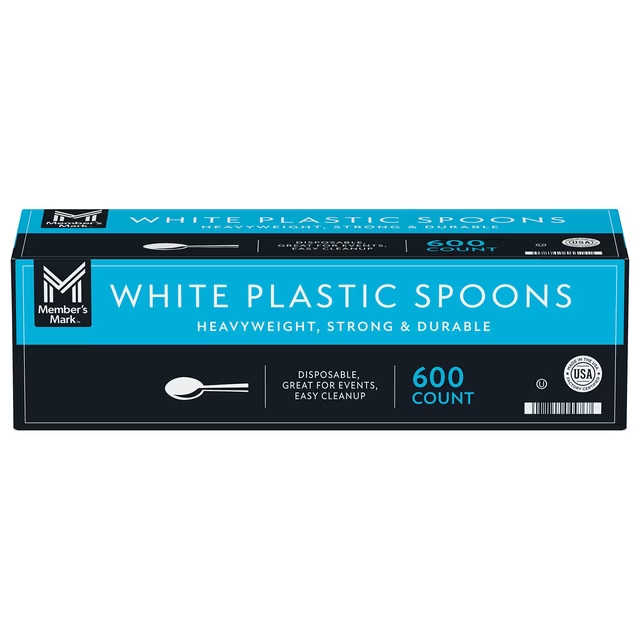
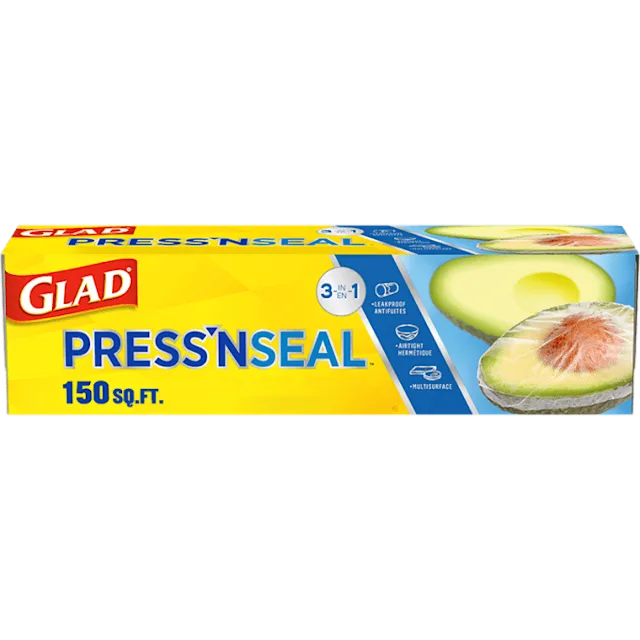
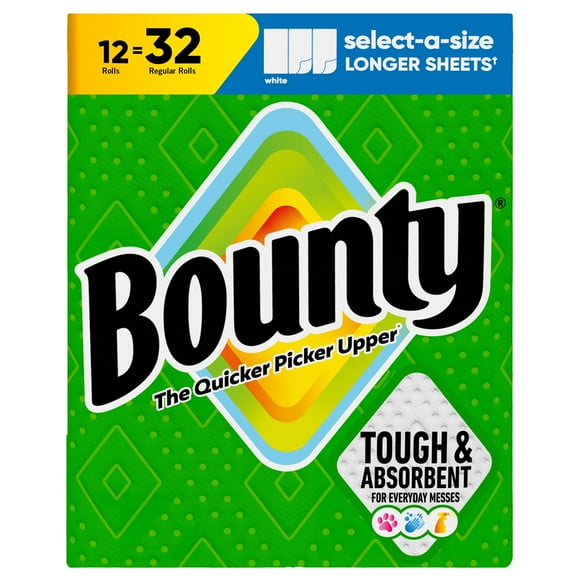
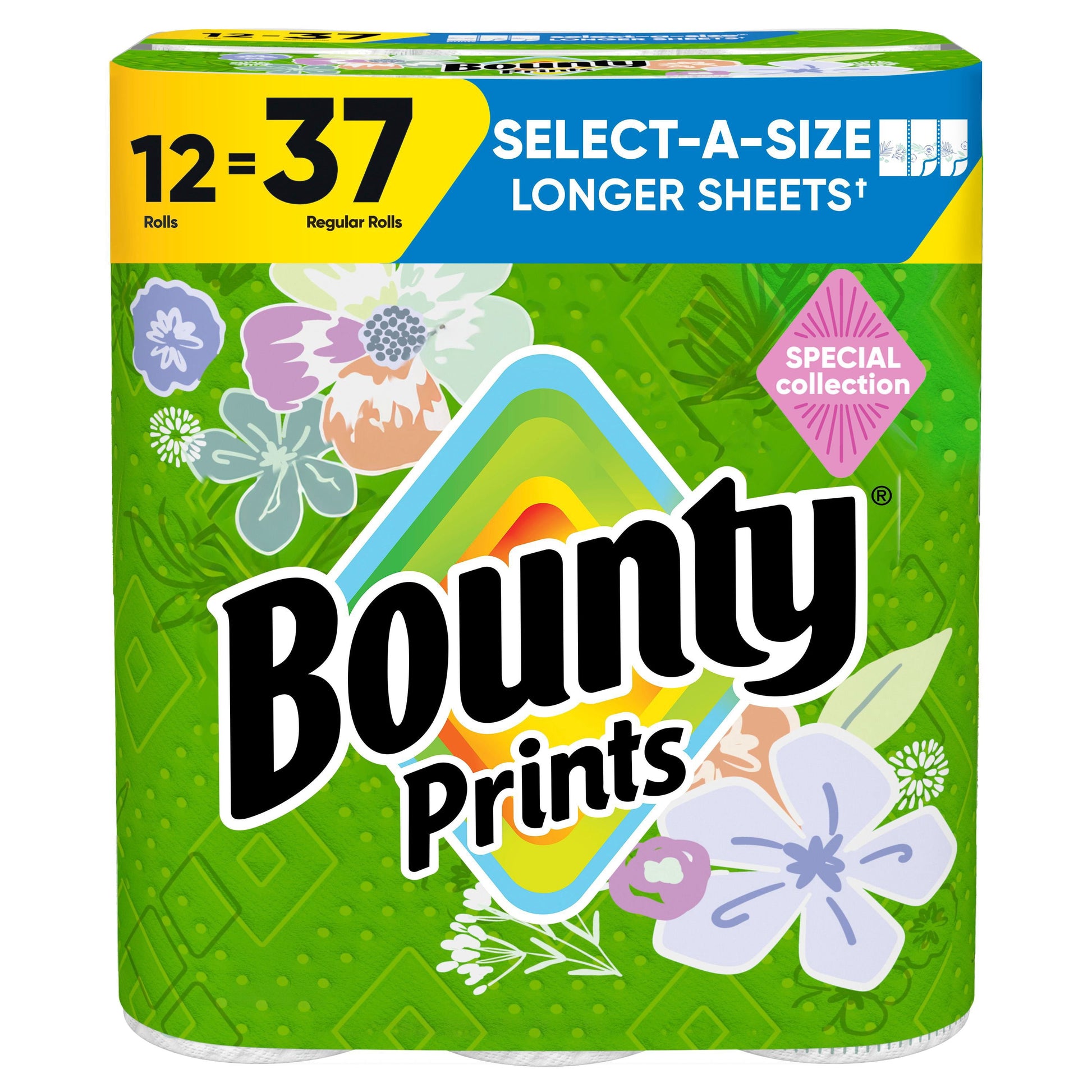
Start by walking the office zone by zone and writing down every disposable the team uses: break room cups, plates, cutlery and napkins; restroom toilet paper and paper towels; kitchen paper towels, food storage bags and foil; desk bins and liners. That list is the stock list, and it is the foundation of the whole budget.
Next to each item, note the brand and size you use, the pack it comes in, and where it is stored. Keep the list on one page in the storage closet or shared digitally, so anyone can check it.
What Ordering Cadence Works for an Office?
Different items move at different speeds, so they need different cadences. Fast movers — hot cups, paper towels, toilet paper and napkins — usually need ordering every one to two weeks. Medium movers — plates, cutlery and cold cups — can often be ordered every two to four weeks. Slow movers — trash bags, liners, food storage bags and foil — may only need a monthly or six-week order.
A fixed weekly order for fast movers and a fixed monthly order for the rest turns ordering into a habit instead of a response to an empty shelf. For the wider small-business picture, see disposable essentials for small businesses.
Setting Reorder Points So Nothing Runs Out
A reorder point is the stock level that triggers a new order — and it should be set well before the item runs out. For fast movers, reorder at one week’s supply. For slow movers, reorder at two weeks’ supply. The buffer covers delivery time and heavier weeks.
Count usage for two weeks to set honest reorder points. Divide what was used by ten workdays to get the daily rate, multiply by seven for one week’s supply, and write that number on the stock list. When the closet count hits that number, order. A visual cue helps: a colored tag on the last pack, or a line on the shelf, shows at a glance that it is time to reorder.
How Does Office Supplies Bulk Ordering Save an Office Money?
Bulk packs cost less per unit than small packs, and fewer orders mean less time spent ordering and fewer deliveries to manage. The savings add up fastest on the items used every day — cups, paper towels and toilet paper — where a small per-unit saving multiplies across hundreds of uses a month.
Bulk ordering also smooths the budget into one steady monthly spend. Order a month ahead, not a year ahead, and keep storage dry and organized so stock stays usable. For desk bins and liners, see desk-side trash and recycling, and for restroom stock, see office restroom supplies.
A Simple Monthly Office Supply Routine
A routine that works for most offices has four steps. First, on the fixed ordering day, count the stock list and note anything at or below its reorder point. Second, place one combined order for everything that needs it — one delivery, one invoice. Third, when the delivery arrives, check it against the order and put stock away the same day. Fourth, note anything that ran out early or lasted longer than expected, and adjust next month’s quantities.
That loop — count, order, store, adjust — takes less than an hour a month once it is running, and it replaces the interruptions, complaints and emergency trips that come from running out. Techlenze sells bulk disposable essentials in the USA only, with same-day or very next-day delivery and free shipping on orders of $75 or more, so a single monthly order can cover the whole stock list.
Frequently Asked Questions
How often should an office order disposable supplies?
Fast movers such as cups, paper towels and toilet paper need ordering every one to two weeks; slower items such as liners and food storage bags can be ordered monthly. A fixed weekly order for fast movers plus a monthly order for the rest suits most offices.
What is a reorder point?
A reorder point is the stock level that triggers a new order — for example, one week’s supply left of a fast-moving item. Ordering at the reorder point leaves enough buffer for delivery time and heavier weeks.
How much should an office keep in reserve?
Keep at least one week’s supply of fast movers and two weeks’ supply of slow movers as a buffer, on top of what is already at the stations. That reserve covers late deliveries and event weeks.
For the full office essentials picture, read the pillar guide: Office & Workplace Disposable Essentials: The Complete Guide. Browse the trash bags category and the paper towels category to start your stock list.
Order once, stay stocked all month. Shop the full range at Techlenze — bulk packs, trusted brands, and free shipping on orders over $75.
