









News
Food Storage Bags for Moving Day: Keeping Fridge and Pantry Food Safe
Nov
Food storage bags moving day use is simple: seal fridge and pantry food before it travels, so it arrives safe, clean and ready to eat. Use food storage bags for leftovers, opened packets, cut fruit, sandwiches and small pantry items, and you will lose less food, avoid spills in boxes, and keep the new fridge organised from day one. They are light, cheap and easy to pack, which makes them a moving essential.
Why Food Storage Bags Matter During a Move
Moving disrupts normal food routines. Fridges are emptied, freezers are defrosted, pantry items are boxed, and meals are eaten at odd times. Without sealed bags, opened packets spill, sauces leak, and small items get lost among larger boxes. Food storage bags moving protection solves this by giving every loose item a sealed, labelled home.
Bags also help with food safety. Food that sits in an open container in a warm car or moving truck can spoil faster, especially dairy, meat and cooked leftovers. Sealing food in a bag, keeping cold food together in a cooler bag where possible, and unpacking fridge food first at the new home all reduce risk. When in doubt about food that has been warm for too long, throw it away: moving week is not the time to risk stomach problems.
What to Pack in Storage Bags Before Moving Day
Start with the fridge. Bag opened cheese, sliced meats, cut vegetables, sauces, dressings and leftovers separately, and label bags with contents and date if helpful. Keep cold foods together, and move them last from the old home and first into the new home, so they spend as little time as possible at room temperature.
Next, handle the pantry. Bag opened flour, sugar, rice, cereal, snacks and spices that might spill, and seal small packets together in larger bags by category, such as baking, snacks or breakfast. This prevents a single spilled packet from coating a whole box, and makes unpacking faster because items are already grouped. For fragile pantry items such as crackers and biscuits, bags also add a layer of protection against crushing.
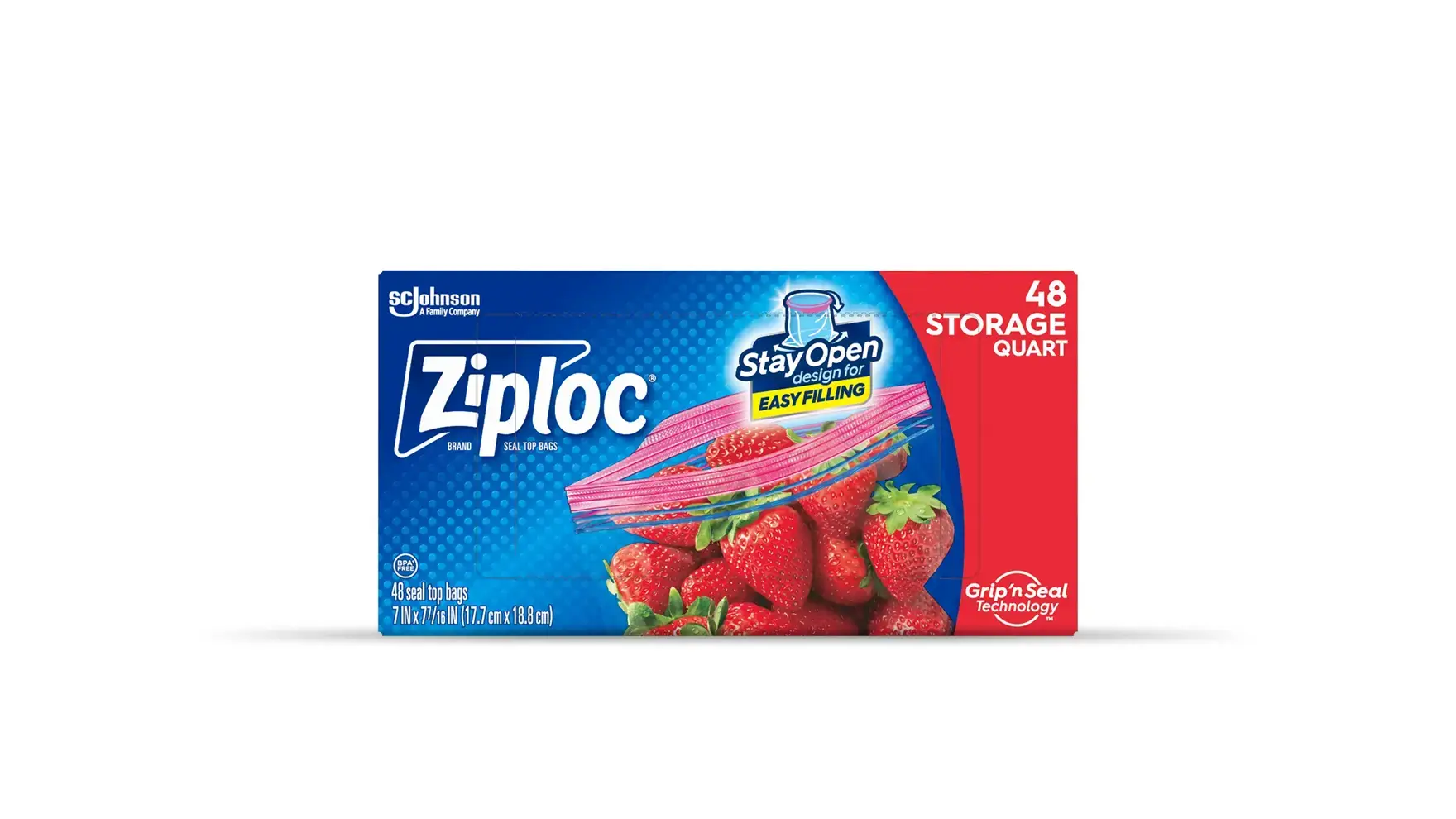
Browse Ziploc food storage bags at Techlenze for a range of bag sizes suitable for moving day packing and first-week storage.
Keeping Food Safe on the Journey
Pack a small cooler bag or insulated bag for cold food if your move takes more than a short drive. Place sealed bags inside, keep the bag closed as much as possible, and unpack cold food first on arrival. For longer moves, consider eating perishable leftovers before moving day, and only transporting food that will stay safe for the journey time.
Dry pantry food is easier, but still needs care. Keep bags upright where possible, avoid overfilling them, and seal them fully before boxing. Double-bag liquids and sauces, because a single leak can ruin a box of dry goods. Label boxes containing food clearly, so they are unpacked early and not left in a hot garage or truck overnight.
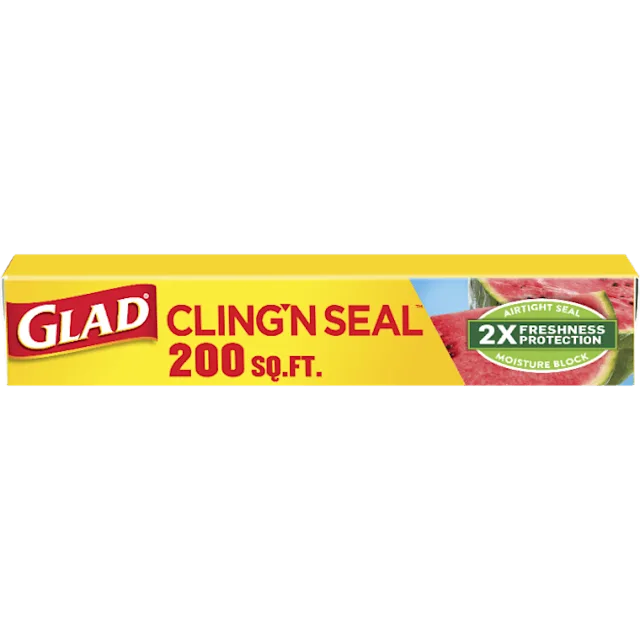
See the full plan in Moving Day Disposable Essentials: The Complete Guide to Your First Week in a New Home, and pair storage bags with foil and wrap for moving food and disposable bowls for takeout meals for complete moving week food handling. Our earlier food storage guide, Food Storage Bags Guide, explains bag sizes and uses in more detail.
First-Week Uses After You Arrive
Once you arrive, storage bags keep working. Use them for takeout leftovers, sandwiches for unpacking lunches, cut fruit for children, and small portions of food when the fridge is still being organised. They are also useful for non-food moving jobs: bag screws and fittings from dismantled furniture, label them by item, and keep them with the furniture they belong to, so reassembly is not a puzzle.
Techlenze sells bulk disposable household essentials in the USA only, from brands including Member’s Mark, Hefty, Dixie, Chinet, Ziploc, Glad, Reynolds and Bounty. Delivery is same-day or very next-day, and shipping is FREE on orders of $75 or more, with a flat $2.99 fee on orders under $75. Contact sales@techlenze.com with any questions.
Frequently Asked Questions
Can I transport fridge food in storage bags during a move?
Yes, seal fridge food in storage bags and keep cold foods together, moving them last and unpacking them first. For longer journeys, use a cooler bag and discard food that has been warm for too long.
What size food storage bags are best for moving?
A mix of sizes works best: small bags for snacks and fittings, medium bags for sandwiches and leftovers, and larger bags for pantry groups and bigger portions. Buying a range avoids forcing food into bags that are too small.
Are storage bags useful after moving day?
Yes, they remain useful all through the first week for leftovers, packed lunches, cut fruit and small-item sorting. Keep them in the kitchen from day one, so they are always within reach.
Stock up on food storage bags at Techlenze before moving day, so fridge and pantry food travels safely to your new home.
