






News
Aluminum Foil and Food Wrap for Moving: Protecting Food on Moving Day
Nov
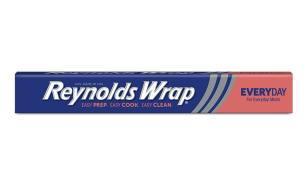
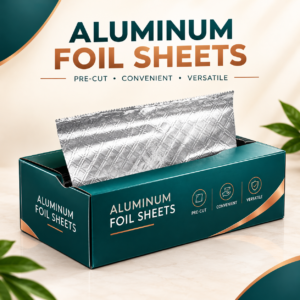
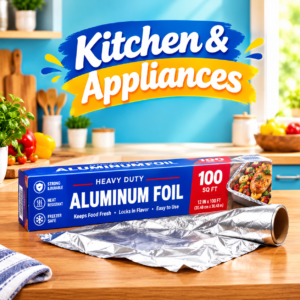
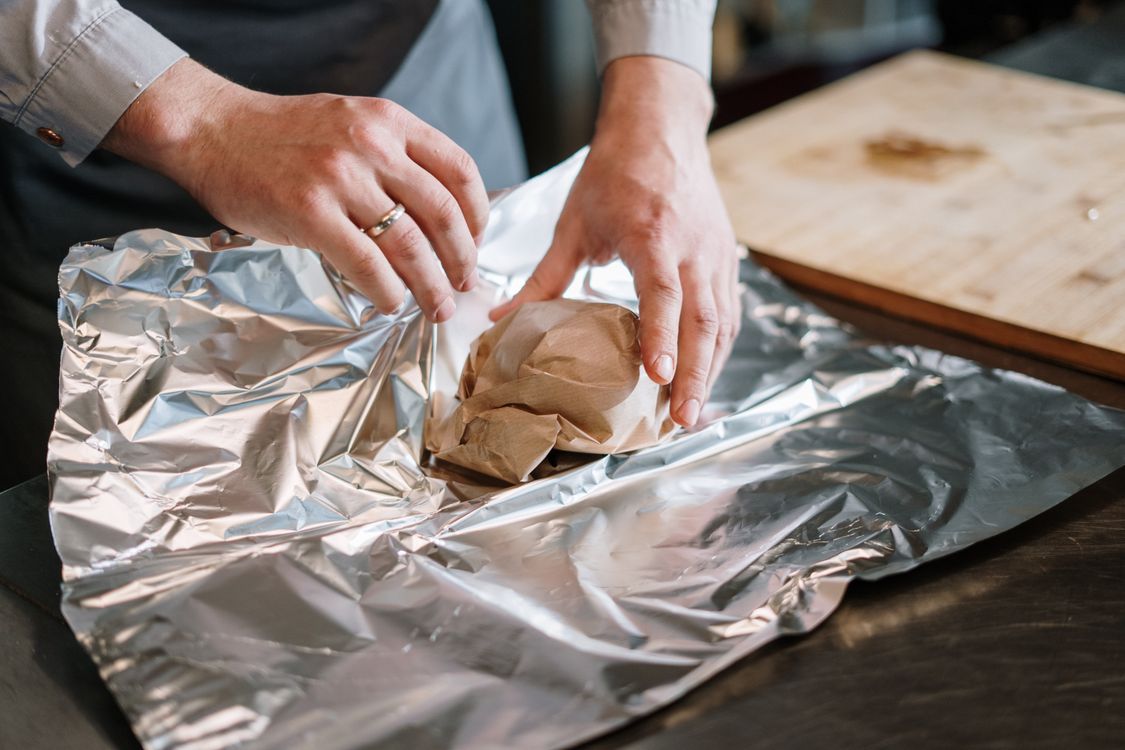
Foil and wrap for moving are small supplies with a big job: protecting food when you have no containers, no pantry order, and no time to cook properly. Use aluminum foil and food wrap to cover leftovers, seal dishes for transport, and protect food from dust, spills and drying out during moving week. Both are light, easy to store in a first-day box, and useful every day until the kitchen is fully unpacked.
Why Foil and Wrap for Moving Are Essential
During a move, food is exposed to more risks than usual: open boxes, dusty shelves, warm cars, and meals eaten in rooms that are still being cleaned. Foil and wrap for moving create a simple barrier against those risks. Foil covers dishes firmly, holds heat for a short time, and protects food from dust and light. Food wrap clings tightly around bowls, plates and individual items, keeping them sealed and fresh.
They are also flexible in a way rigid containers are not. You can wrap a single sandwich, cover a large tray, seal a half-used bowl, or protect a plate of food for a helper, all with the same two rolls. When containers are still packed, foil and wrap are often the only food protection available, which is why they belong in the first-day box, not in a kitchen box buried under other items.
Foil or Wrap: Which One for Each Moving Job?
Choose foil for hot foods, oven dishes, trays and items that need a firm, mouldable cover. Foil holds its shape, can be folded tightly over edges, and works well for covering a dish that will travel in a car or be reheated later. It is also useful for lining trays during moving week meals, which makes cleanup faster when you have no dishwasher routine yet.
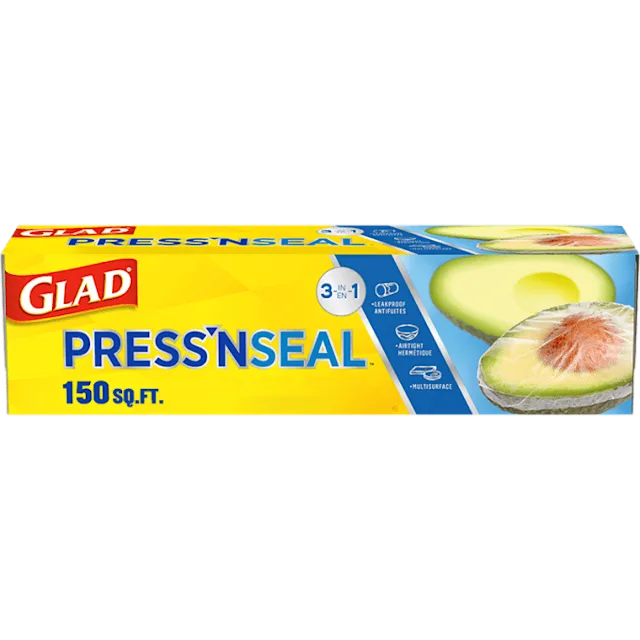
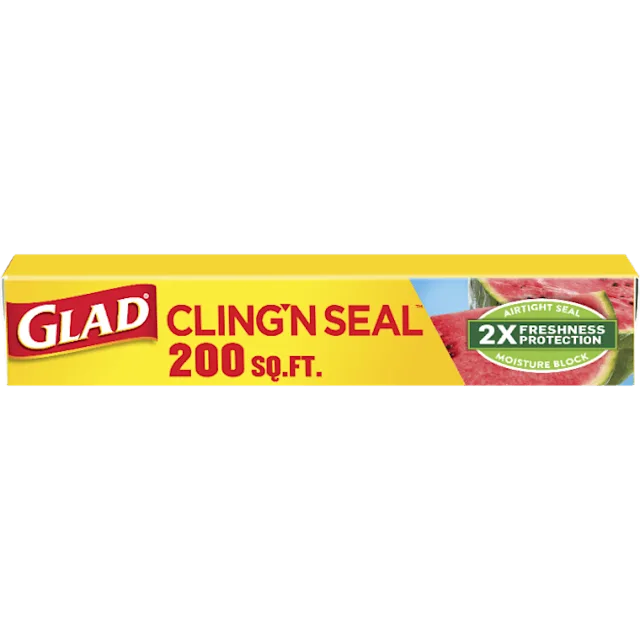
Choose food wrap for cold foods, cut fruit, sandwiches, salads and bowls that need a tight seal. Wrap clings to the container itself, so it is ideal for covering a bowl of leftovers, sealing a plate for later, or wrapping individual portions for children and helpers. For liquids and sauces, use wrap plus a bag or a lidded container if you have one, because wrap alone may not prevent leaks in a moving box.
In practice, most moving weeks need both. Keep one roll of each in the kitchen from day one, and you will be covered for almost every food job that comes up.
Protecting Food in Transit and on Arrival
When transporting food, cover dishes fully before boxing them, and keep food boxes upright and separate from heavy items that could crush them. Foil-covered trays should be placed on top of other boxes, not underneath them, and wrapped bowls should be packed snugly so they do not slide and spill. Label food boxes clearly, and unpack them early, especially if they contain perishable items.
Browse aluminum foil and food wrap at Techlenze, and stock both before moving day so you are not caught without cover for a meal.
Everyday Moving Week Uses Beyond Leftovers
Foil and wrap have uses beyond food during moving week. Foil can line a tray for sorting small items, protect a surface during a quick repair or touch-up, and cover a dish while it waits for the fridge to be cleaned. Food wrap can bundle small items together, protect a remote control or phone from dust during unpacking, and seal a bag of small fittings so nothing is lost.
See the full plan in Moving Day Disposable Essentials: The Complete Guide to Your First Week in a New Home, and pair foil and wrap with disposable bowls for takeout meals and napkins for moving day meals for a complete moving week meal kit. Our earlier food wrap guide explains wrap types and uses in more detail.
Techlenze sells bulk disposable household essentials in the USA only, from brands including Member’s Mark, Hefty, Dixie, Chinet, Ziploc, Glad, Reynolds and Bounty. Delivery is same-day or very next-day, and shipping is FREE on orders of $75 or more, with a flat $2.99 fee on orders under $75. Contact sales@techlenze.com with any questions.
Frequently Asked Questions
Should I pack foil or food wrap for moving day?
Pack both if you can. Foil is best for hot dishes, trays and firm covers, while food wrap is best for cold foods, bowls and individual portions that need a tight seal.
Can foil and wrap protect food during a long move?
Yes, for short-term protection, especially when food is also kept cool and unpacked early. For long journeys, eat perishable food beforehand, keep cold food in a cooler bag, and discard food that has been warm for too long.
How do I cover a bowl without a lid during moving week?
Stretch food wrap tightly over the top of the bowl, press it around the edges, and place the bowl upright in a box or bag. For hot food, use foil folded firmly over the rim instead, and handle the bowl carefully.
Stock up on aluminum foil and food wrap at Techlenze before moving day, so every meal and leftover in your first week stays protected.
