







News
Choosing Paper Towels for Kitchens, Garages and Big Cleanups
Nov
A paper towel has about five seconds to prove itself: either it soaks up the spill in one pass, or you are tearing off a second and third sheet. That is why buying paper towels bulk is less about grabbing the biggest pack and more about matching the towel to the jobs you actually do. Kitchens, garages and workshops all punish weak towels in different ways.
This guide explains what makes a towel absorbent and strong, how sheet size changes the value of a roll, and which style suits each space. It pairs with our complete guide to bulk disposable essentials, which covers towels as part of a full household stock-up.
What Makes a Paper Towel Good at Its Job
Absorbency comes from the fibers and the texture pressed into the sheet. Embossed pockets and channels give liquid somewhere to go, so a well-made towel picks up a spill instead of pushing it around the counter. Two-ply towels — two layers bonded together — generally hold more liquid and feel sturdier than single-ply utility rolls.
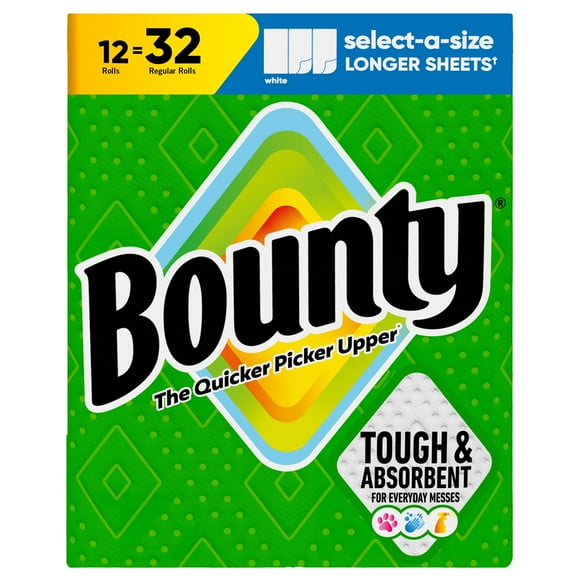
Wet strength is the other half of the story. A towel that disintegrates the moment it gets wet is fine for drying hands but useless for scrubbing a stovetop or wiping down a sink. For cleaning jobs, look for towels described as strong or scrub-friendly, and keep the flimsiest rolls for light duty. Brands such as Bounty built their reputation on this absorbency-plus-strength combination, which is exactly what heavy-use kitchens need.
Sheet Size and Roll Styles: Getting More from Every Roll
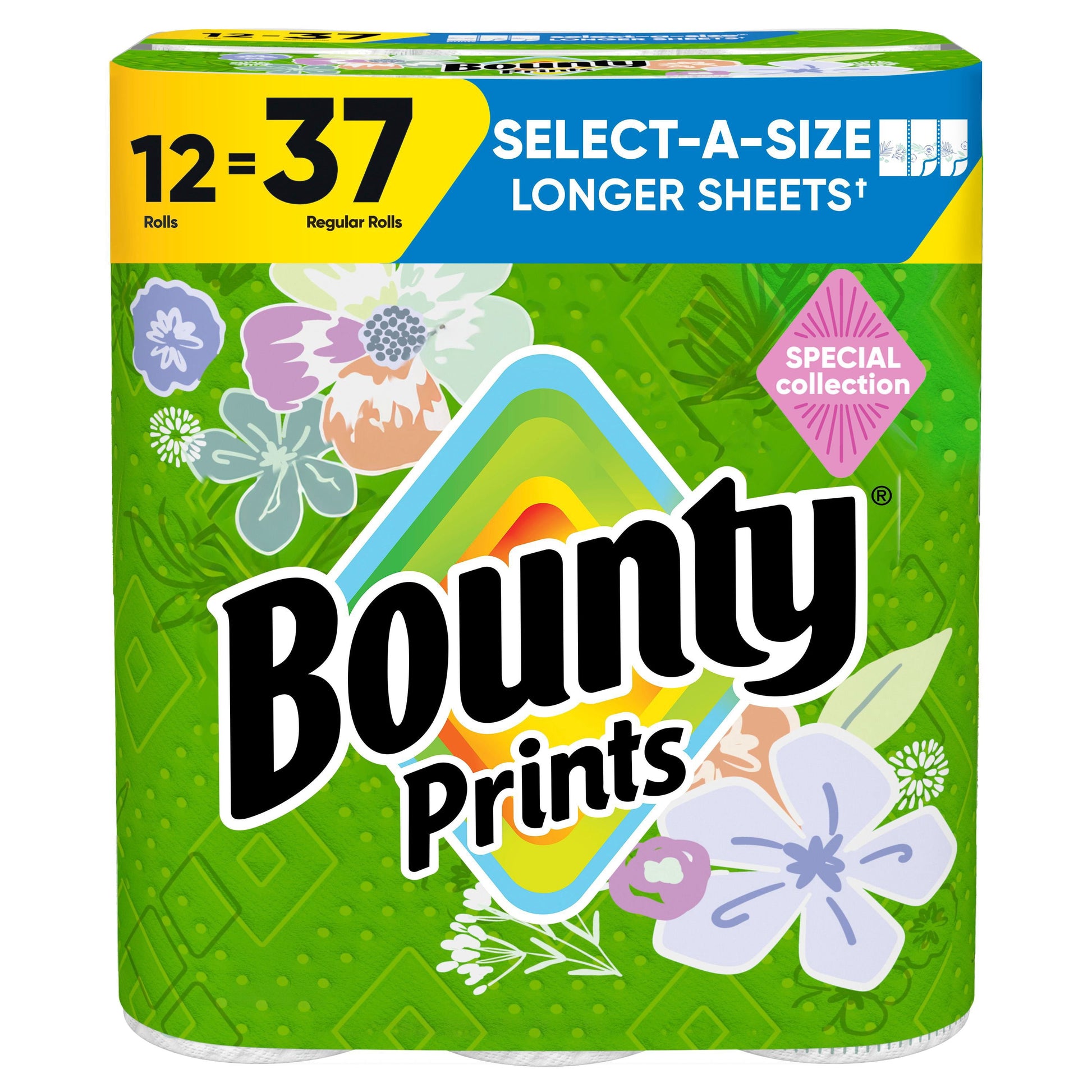
Full-sheet towels give you one large sheet per tear, which suits big spills and covering a plate in the microwave. Select-a-size rolls are perforated into half sheets, so you can take a small piece for a small job — a wiped mouth, a quick counter swipe — instead of wasting a whole sheet. In homes with kids, select-a-size rolls usually last noticeably longer.
Roll format matters too. Standard kitchen rolls fit under-cabinet and countertop holders. Center-pull and folded towels suit workshops and shared spaces where people grab with one hand. When you compare options in our paper towels range, think in terms of sheets per job rather than sheets per roll: the cheapest roll is the one you tear from least often.
Matching Towels to the Mess: Kitchen, Garage and Beyond
In the kitchen, towels handle everything from patting chicken dry to draining fried food and cleaning greasy splashes around the stove. Keep your strongest roll here. Humidity and flour dust make kitchens hard on weak sheets, and food prep demands a towel that does not shed lint onto ingredients.
Garages and workshops need durability more than softness: oil, paint, glue and grime will defeat a delicate towel instantly. A strong utility roll by the workbench, plus a spare for the car, covers most jobs. Outdoors, towels earn their keep at grills and picnic tables, blotting marinades and wiping sticky hands between courses. One roll per zone — kitchen, garage, laundry — stops the good kitchen towels from vanishing into the workshop.
Paper Towels for Small Businesses and Shared Spaces
Cafés, salons, small offices and rental properties burn through towels quietly but constantly: restroom hand drying, counter wipe-downs, window cleaning and spill response. Running out in a customer-facing space looks careless, so businesses usually keep a working stock plus a sealed reserve. Our guide to disposable essentials for small businesses shows how towels fit into a full restocking routine.
It also helps to know where towels stop and napkins start. Our paper napkins buying guide covers the tabletop side, and our side-by-side of paper towels vs napkins explains which product belongs on which job, so you stop using expensive towels where a napkin would do.
Frequently Asked Questions
Select-a-size or full sheets — which is better?
Select-a-size suits most households because small jobs get a small sheet, which stretches the roll. Full sheets are better for big spills, draining fried food, and lining trays. Many homes keep both: select-a-size for daily use, full sheets for heavy work.
How should I store bulk paper towels?
Keep rolls somewhere dry and off the floor — a pantry shelf, linen closet or sealed storage bin. Towels stored near sinks or in damp garages can absorb moisture before you ever use them, which weakens the sheets.
Why do some paper towels leave lint on glass?
Soft, loosely bonded sheets shed fibers, especially on smooth surfaces. For mirrors and windows, use a stronger, tightly embossed towel, wipe with the sheet slightly damp rather than soaking wet, and finish with a dry pass.
Never Face a Spill Empty-Handed
Paper towels are the cleanup product you reach for daily, so a good stock is cheap insurance. Techlenze carries paper towels in bulk rolls alongside napkins, trash bags and the rest of your essentials, with same-day or next-day delivery across the USA. Orders of $75 or more ship free, and orders under $75 ship for a flat $2.99. Stock up in our online shop and let the next spill meet a full roll.
Related Guides
- Paper towels vs napkins: which to stock
- Restroom essentials for small businesses
- Paper napkins buying guide
