












News
Trash Bags and Can Liners for Cleaning Jobs: Sizes, Strength and Sorting
Nov
Trash bags for cleaning companies are the most-used disposable on every job, and a bag that splits on the stairs or at the curb wastes time and embarrasses the crew. The right bag is the one that matches the can, the waste and the weight, every single time. This guide explains the sizes cleaning crews actually need, how thickness works, and how to set up a sorting system that keeps recycling and trash apart.
What Sizes Do Cleaning Crews Need on the Truck?
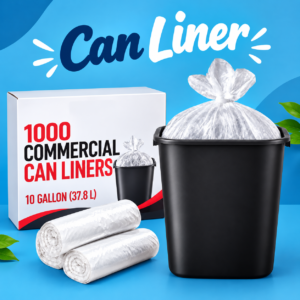
A cleaning company needs three sizes as a minimum. Kitchen-size 13-gallon bags fit most household kitchen cans and small office bins. Large 30 to 33-gallon can liners fit outdoor bins, large office cans and the big waste cans in commercial spaces. Contractor-strength bags in 42 gallons and up handle heavy debris from move-out cleans, post-renovation work and garage cleanouts. Carrying all three means the crew never forces a small bag onto a large can or double-bags a heavy load with thin bags.
The most common mistake is guessing the size: a bag that is too small stretches and tears at the rim, while one that is far too large wastes material and slides down into the can. Measure the cans at your regular client sites once, write the sizes on the client’s card, and stock the van to match. Our guide to paper towels for professional cleaning covers the other half of the cleanup kit, and the trash bag sizes guide explains the standard sizes in more detail.
How Thick Should a Cleaning Bag Be?
Thickness is what keeps a bag from failing under real waste. Thin bags tear under wet food scraps, broken glass, sharp edges and heavy loads. For everyday household waste, a standard-strength bag is enough. For move-outs, renovation debris and anything with sharp or heavy contents, step up to a heavy-duty or contractor bag. The extra strength costs a little more per bag but saves the far larger cost of a spill on a client’s floor.
Drawstring closures are worth choosing for cleaning work, because a crew member can tie a full bag shut in seconds and carry it without waste spilling out. Twist-tie bags are slower and less secure, and flap-tie bags struggle with heavy loads. Keep two strengths on the truck at all times: standard bags for light waste and heavy-duty bags for anything risky, so the crew always has the right option within reach.
Sorting Trash, Recycling and Compost on the Job
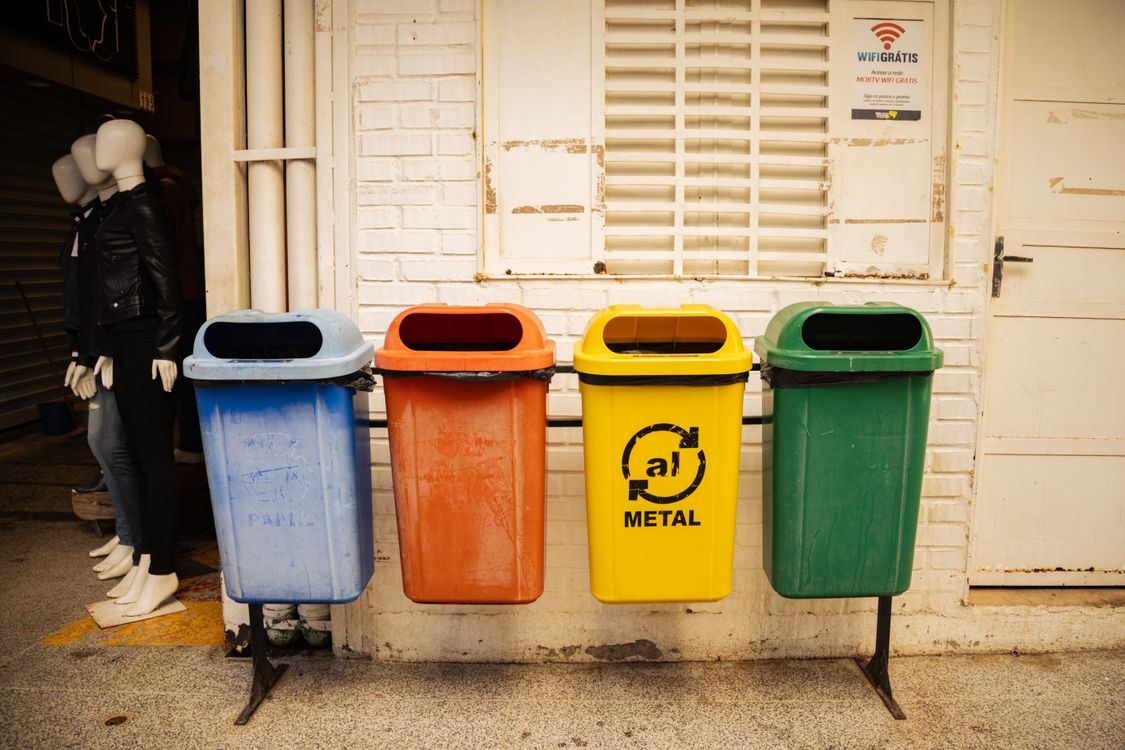
Many clients separate their waste, and a crew that mixes the streams creates a problem the client has to fix after the crew leaves. Set up a simple sorting system. Carry bags for each stream the client uses, and keep them in labeled bins in the van so every crew member grabs the right one first time. If the client uses color-coded bins, match the bag to the bin and never swap them around.
Labeling matters inside the home too. When a crew finishes a clean, the bags should be tied, placed by the door or in the outdoor bin, and the cans lined with fresh bags. That last step is part of the job: a client who opens a kitchen can and finds a fresh liner knows the clean was finished properly. Our article on planning disposable supplies for a cleaning business shows how to build trash bags into a standing order so the van is never short.
How Many Bags Should a Crew Carry Per Job?
A good rule is to carry more than the job needs. For a standard home clean, that usually means one kitchen bag, one or two bathroom-size bags and one spare large liner. For a move-out or deep clean, double those numbers and add contractor bags. Spare bags weigh almost nothing, while a missing bag mid-job means a trip back to the van or, worse, to a store.
Track use for a few weeks, note how many bags each crew uses per job type, then set a per-job standard: two bags for a regular clean, five for a deep clean, eight for a move-out. Those numbers go on the job card, and the van gets restocked to match. The complete guide to disposable essentials for cleaning companies covers the full supply list that pairs with trash bags on every job. You can browse trash bags and can liners at Techlenze, or start at the shop.
Frequently Asked Questions
What size trash bag do cleaning companies use most?
The 13-gallon kitchen bag is the most-used size, followed by 30 to 33-gallon can liners for large bins. Contractor bags in 42 gallons and up are kept for move-outs and heavy debris.
How do you stop trash bags from splitting during a clean?
Match the bag to the load: use heavy-duty bags for wet, sharp or heavy waste, avoid overfilling, and choose drawstring closures so the bag ties shut securely before it is carried.
Where can cleaning companies buy trash bags in bulk?
Techlenze sells bulk trash bags and can liners from trusted brands in the USA only, with same-day or very next-day delivery and free shipping on orders of $75 or more.
A bag that holds is a job that finishes clean. Stock your crews with the right sizes and strengths from the Techlenze shop and stop losing time to spills and split bags.
