






News
Holiday Baking with Parchment Paper and Aluminum Foil
Nov
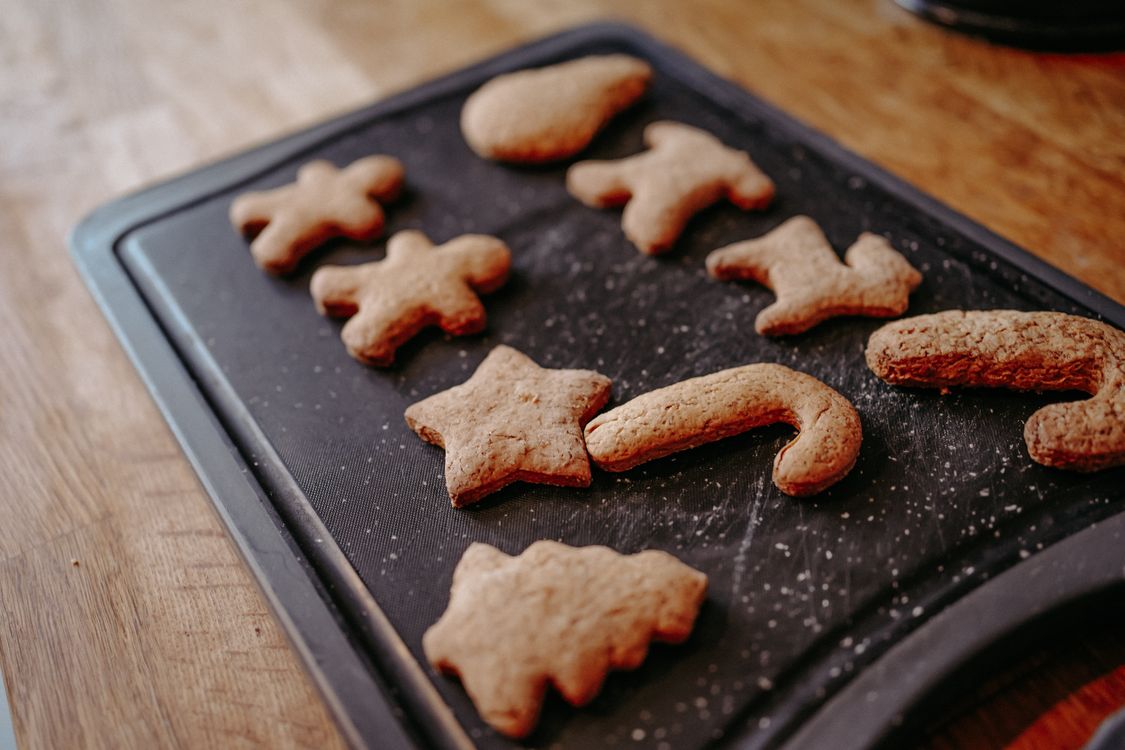
Holiday baking parchment paper foil supplies are the quiet helpers behind cookies, pies, roasts, and casseroles. Parchment paper keeps baked goods from sticking, foil protects dishes in the oven and on the journey to a gathering, and both make cleanup far easier during the busiest cooking season of the year. This guide explains when to use each one, how to use them well, and how to plan for a full season of holiday baking.
Holiday Baking Parchment Paper Foil: When to Use Each One
Parchment paper and foil are not interchangeable, and knowing the difference saves food and frustration. Parchment paper is best for lining baking trays, cake pans, and cookie sheets, because it prevents sticking, promotes even browning, and lets you lift cookies, bars, and cakes off the tray without breaking them. It is also useful for wrapping delicate items, separating layers of cookies for storage, and lining loaf pans for easy removal. Foil, by contrast, is best for covering dishes, wrapping food for the oven or for transport, and shielding parts of a dish that might brown too quickly.
As a rule, use parchment when food touches the surface and you want a clean release, and use foil when you want to cover, wrap, seal, or protect. For baking, parchment belongs under cookies and cakes, while foil belongs over a pie crust edge or a casserole that needs to stay moist. Our holiday hosting disposable essentials guide shows how baking supplies fit into the wider holiday plan.
How Do You Line Pans and Trays for Holiday Baking?
Good lining starts with measuring. Cut parchment to fit the tray or pan, leaving a little overhang on the sides when you want to lift out bars or cakes easily. For round cake pans, trace the pan on parchment, cut out the circle, and place it in the greased pan for a clean release. For cookie sheets, a flat sheet of parchment is usually enough, and you can reuse the same sheet for a second batch of similar cookies if it is still clean and intact. Avoid crumpling parchment into a pan, because wrinkles can create uneven baking and make removal harder.
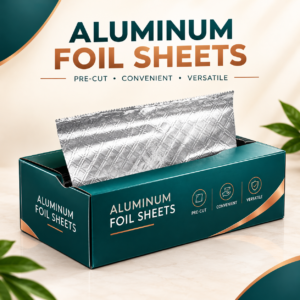
Foil lining needs a different approach. Press foil smoothly into a roasting pan or baking dish, leaving enough overhang to lift food out or to fold over the top as a cover. For dishes that will be covered in the oven, seal the foil edges firmly so steam stays inside and the dish cooks evenly. For transport, wrap the dish in a second layer of foil after it cools slightly, so it stays protected on the journey. Our guide to disposable cutlery for holiday dinners covers the table side of the same holiday meal.
What About Roasting, Covering, and Transporting Dishes?
Foil is ideal for tenting a roast while it rests, covering a casserole while it bakes, and wrapping dishes for a potluck or a neighbor’s table. When tenting, leave space between the foil and the food so steam can escape. When transporting, wrap tightly and keep the dish level so sauces do not spill.
Parchment also helps beyond the oven. Use it to separate layers of cookies, brownies, or bars in storage, so they do not stick together or lose their shape. For leftovers and transport, our guide to holiday leftovers storage pairs well with this one. Stock both supplies before the baking season starts, so you are not improvising with the wrong material halfway through a recipe. Browse parchment paper and aluminum foil to prepare for cookies, pies, and roasts alike.
How to Plan Baking Supplies for the Whole Season
Holiday baking rarely happens in a single day. Cookies, pies, breads, and casseroles spread across weeks, from Thanksgiving through Christmas and into New Year’s, and each batch uses parchment, foil, or both. Plan by counting your likely baking days, not just a single recipe, and keep extra rolls on hand for unexpected batches, gifts, and last-minute gatherings.
After baking, use foil to cover dishes that need to wait, parchment to separate stored treats, and storage bags for leftovers that will be eaten later. Our earlier comparison of parchment paper vs aluminum foil explains the differences in more depth for everyday cooking as well as holiday baking.
Frequently Asked Questions
Can I use foil instead of parchment paper for cookies?
Not ideally. Foil can cause cookies to stick, brown unevenly, or tear when removed, while parchment gives a clean release and even browning. Save foil for covering and wrapping instead.
Should parchment paper be reused for multiple batches?
Sometimes, yes. A clean, intact sheet can often handle a second batch of similar cookies, but replace it if it is greasy, torn, or has burnt food on it, since that can affect flavor and baking.
How do I transport a hot casserole safely?
Let it cool slightly, cover it tightly with foil, and carry it level in a sturdy holder or box. Label the dish, keep it away from cold foods, and avoid stacking heavy items on top.
Bake more, scrub less, and share generously this holiday season. Stock parchment paper, foil, and all your holiday essentials at Techlenze, with same-day or very next-day delivery across the USA, free shipping on orders of $75 or more and a flat $2.99 under $75.
